Restaurant Operations
How Dried Mushrooms Help Restaurants Cut Food Waste and Improve Margins
Fresh mushrooms spoil in 5-7 days. Dried alternatives last 18-24 months, cost less per usable portion, and require no waste from trim.
By Fungi Origin Team
Fungi Origin supplies premium wholesale dried mushrooms to restaurants, distributors, and retailers across Ontario.
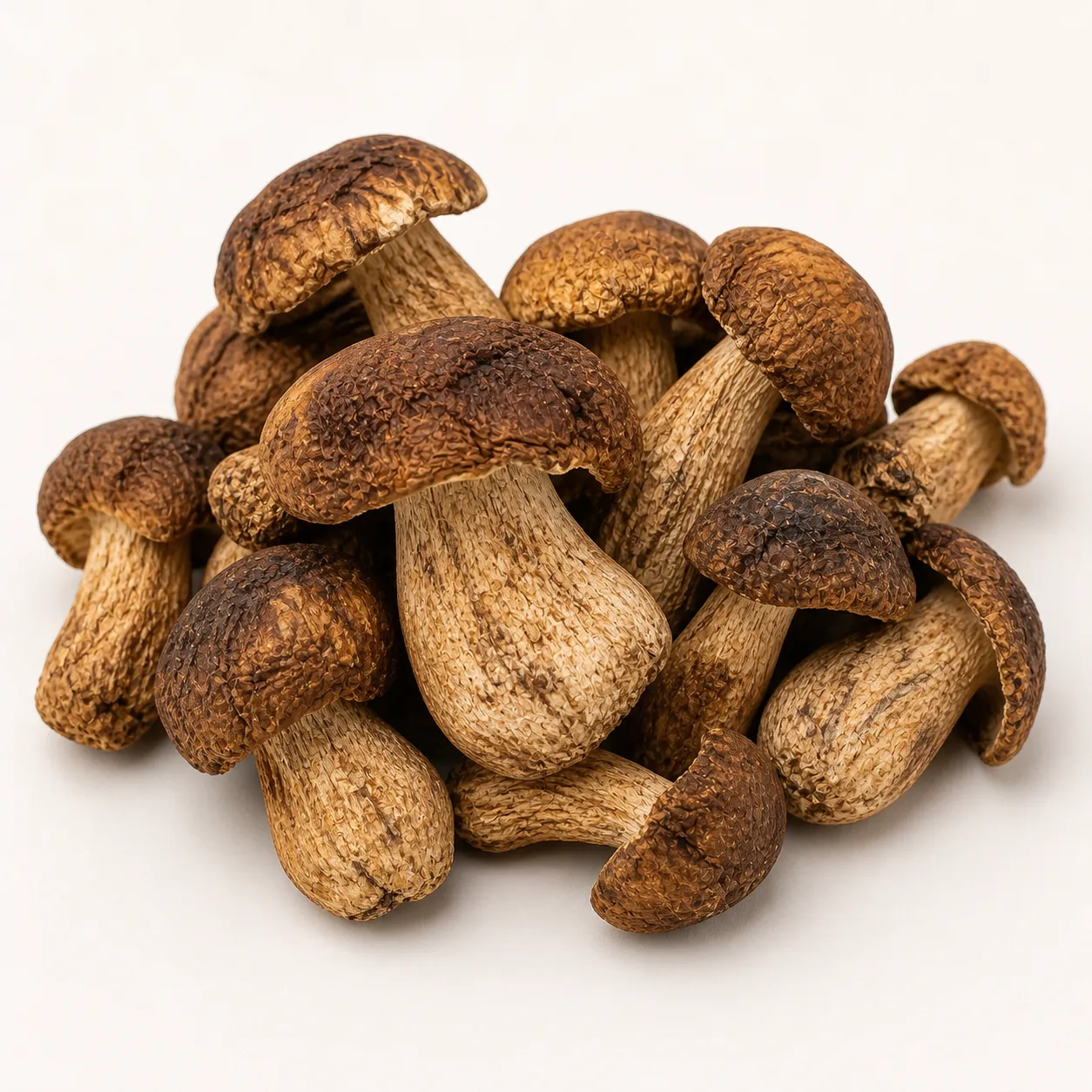
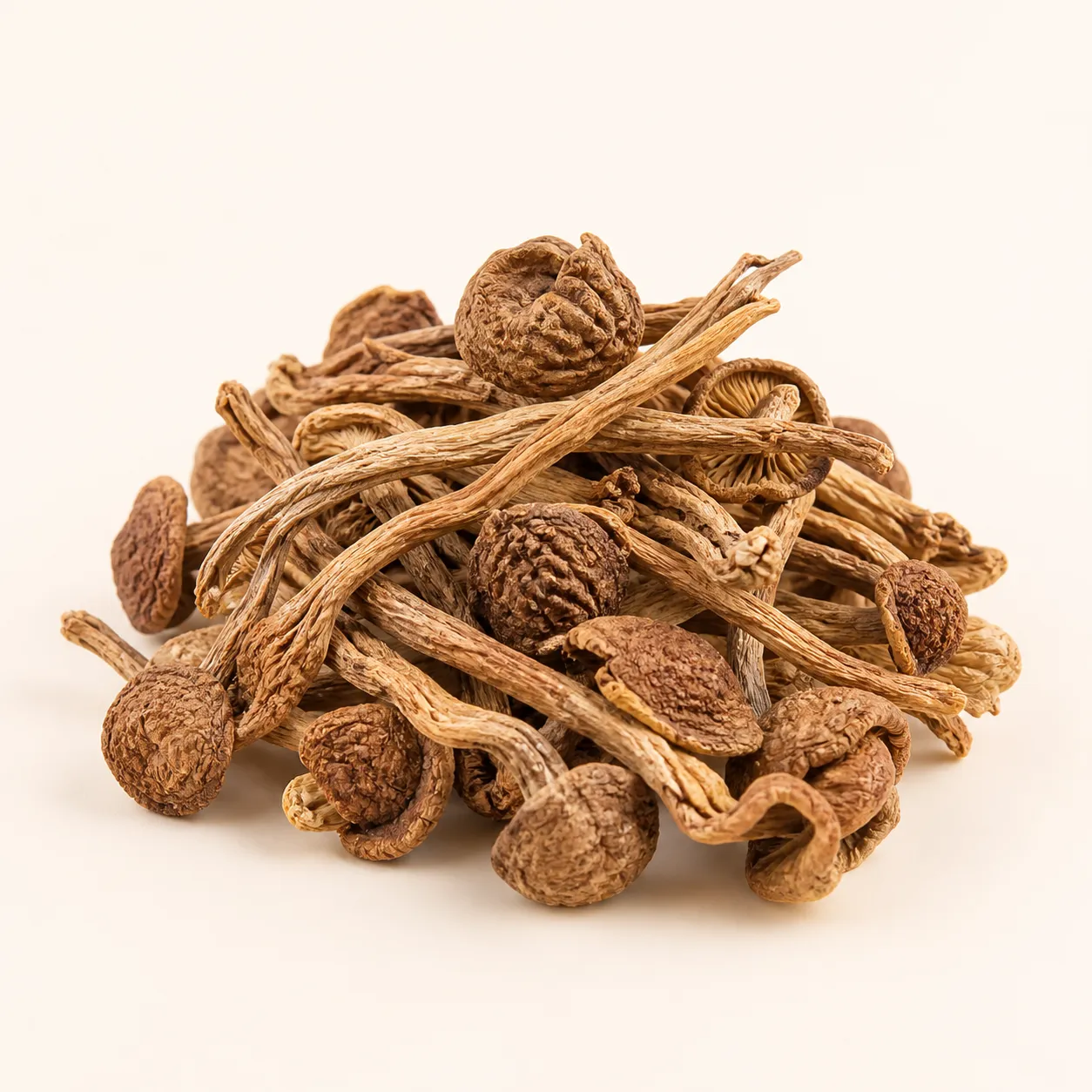
Fresh mushrooms spoil within 5–7 days of delivery, and in a busy kitchen, that window closes faster than purchasing cycles allow. The result is a predictable pattern: over-ordering to avoid running out, followed by trim loss, followed by product written off at the end of the week. According to Second Harvest's 2023 food waste report, the Canadian food service industry discards an estimated 1.4 million tonnes of food annually — a significant portion attributable to produce with short shelf lives. Dried mushrooms are a shelf-stable ingredient that replaces fresh mushrooms in most cooked applications, with an 18–24 month storage life, zero trim waste, and a lower cost per usable gram than their fresh equivalent.
Understand Why Fresh Mushroom Waste Accumulates in Commercial Kitchens
Food waste from fresh mushrooms is structural, not accidental. The economics of restaurant purchasing push kitchens toward ordering more than they need — because running out mid-service is more damaging than writing off a small amount at week's end.
Fresh mushrooms arrive with 5–7 days of usable life under ideal refrigeration. In practice, that window is shorter. Delivery delays, temperature fluctuations during transport, and the time between delivery and actual use all compress it further. A Tuesday delivery that doesn't get fully used before Friday already represents partial waste before any trim or spoilage is counted.
The waste compounds at the prep stage. Fresh mushrooms carry significant trim loss — stems, bruised caps, and damaged outer surfaces that are removed before cooking. Depending on the variety and grade, trim loss on fresh mushrooms runs between 15–25% of purchased weight, meaning you are paying for product that never reaches a plate.
- Shelf life pressure creates over-ordering as a risk buffer
- Trim loss removes 15–25% of purchased weight before cooking
- Spoilage variance makes food cost forecasting unreliable week to week
Dried mushrooms eliminate all three variables simultaneously. No trim. No spoilage window. No over-ordering buffer needed.
Calculate the Real Cost Per Usable Gram of Dried vs Fresh
Switching from fresh to dried mushrooms improves margins only if the cost-per-usable-gram calculation actually favours the switch — and for most cooked applications, it does, often significantly.
The math works in two directions. First, dried mushrooms have no trim loss. Every gram purchased is usable. Second, dried mushrooms rehydrate at a ratio of roughly 1:6 to 1:10 depending on the variety — meaning 100 g of dried product yields 600–1,000 g of rehydrated mushroom ready for cooking.
A practical comparison for dried shiitake versus fresh shiitake in an Ontario kitchen:
- Fresh shiitake: ~$18–22/kg purchased weight, with 20% trim loss = ~$22–27/kg usable weight
- Dried shiitake from Fungi Origin: ~$40–50/kg dried, rehydrating 1:8 = ~$5–6/kg usable weight
The dried option delivers usable product at roughly one-quarter the cost per gram in many cases. The premium on the per-kg dried price disappears entirely once rehydration yield is factored in.
Dried mushrooms are a cost-effective alternative to fresh mushrooms in all cooked applications because the rehydration yield reverses the apparent price premium. Consult your supplier for current pricing and rehydrate a measured batch before running the numbers for your specific menu.
Identify Which Menu Applications Are Best Suited to Dried Mushrooms
Dried mushrooms are not a universal replacement for fresh — texture after rehydration differs from fresh-cooked texture, and some applications require fresh product. Knowing where the switch works perfectly, and where it doesn't, is what makes the margin improvement sustainable without compromising dish quality.
Dried mushrooms perform at or above fresh in any application involving direct heat, liquid, or extended cook time. The rehydration process itself produces a deeply flavoured mushroom stock that adds umami to sauces, braises, and soups without additional labour.
Ideal applications for dried mushrooms in restaurant kitchens:
- Risottos, pasta sauces, and grain dishes
- Braises, stews, and slow-cooked proteins
- Soups, stocks, and dashi-style broths
- Pizza toppings and flatbreads (pre-cook the mushrooms)
- Plant-based and vegan mains where meaty texture is an asset
- Compound butters, tapenade, and umami-forward condiments
Applications where fresh mushrooms are still preferable include raw presentations, lightly dressed salads, and dishes where the moisture content of fresh mushroom is a functional part of the cooking process.
For most cooked menus in Ontario restaurants, 60–70% of mushroom applications can be transitioned to dried without any compromise to the dish — and often with a flavour improvement from the more concentrated profile dried varieties carry.
Set Up a Dried Mushroom Par System to Stabilise Food Cost
The operational benefit of dried mushrooms extends beyond individual dish economics. Because shelf life is measured in months rather than days, dried mushrooms allow kitchens to move from reactive ordering to planned inventory — which is where the secondary margin improvement comes from.
A par system for dried mushrooms works as follows: set a minimum stock level (the par) for each variety based on weekly usage. When stock drops below par, trigger a reorder. Because the product doesn't spoil, there is no cost to holding slightly more than you need in any given week — which means over-ordering as a spoilage buffer is replaced by strategic inventory with no waste penalty.
A dried mushroom par system reduces food cost variance by removing the spoilage variable from weekly cost calculations. This makes period-end food cost reporting more predictable and gives kitchen management a cleaner signal on whether cost variance is coming from portioning, pricing, or actual usage changes.
To set up the system practically:
- Track mushroom usage by variety for 4 weeks to establish a weekly average
- Set par at 1.5x weekly average to provide a buffer without excessive stock
- Order from Fungi Origin on a standing weekly or bi-weekly schedule to maintain par automatically
- Review par levels quarterly or when menu changes affect mushroom usage
Standing orders with a reliable Ontario wholesale supplier eliminate the administrative overhead of the system once it's set up.
Build the Supplier Relationship That Makes Margin Gains Stick
Switching to dried mushrooms improves margins only if the supply is consistent, the quality is stable, and the pricing is predictable. A supplier who delivers inconsistent moisture content, variable grades, or unpredictable lead times reintroduces the variance that the switch was designed to eliminate.
Three supplier characteristics determine whether the margin improvement holds over time. First, Canadian warehouse inventory — a supplier holding stock in Ontario can fulfil standing orders within 48 hours, which means your par system never breaks down due to a 4-week international lead time. Second, written grade specifications — knowing that every kilogram of dried shiitake from your supplier meets the same moisture content and cap integrity standard means your rehydration yield is predictable, and your cost-per-portion calculation stays accurate. Third, volume pricing transparency — as your dried mushroom usage grows, your per-kg cost should decrease. A supplier without clear volume tiers makes it difficult to model the margin improvement at scale.
Fungi Origin supplies Ontario restaurants and food service operators with premium dried mushrooms from Canadian warehouse stock, with consistent grading, transparent volume pricing, and standing order support. See the full Fungi Origin wholesale dried mushroom catalogue to compare varieties and request pricing for your kitchen's volume.
Frequently Asked Questions
Do dried mushrooms actually taste as good as fresh in cooked dishes?
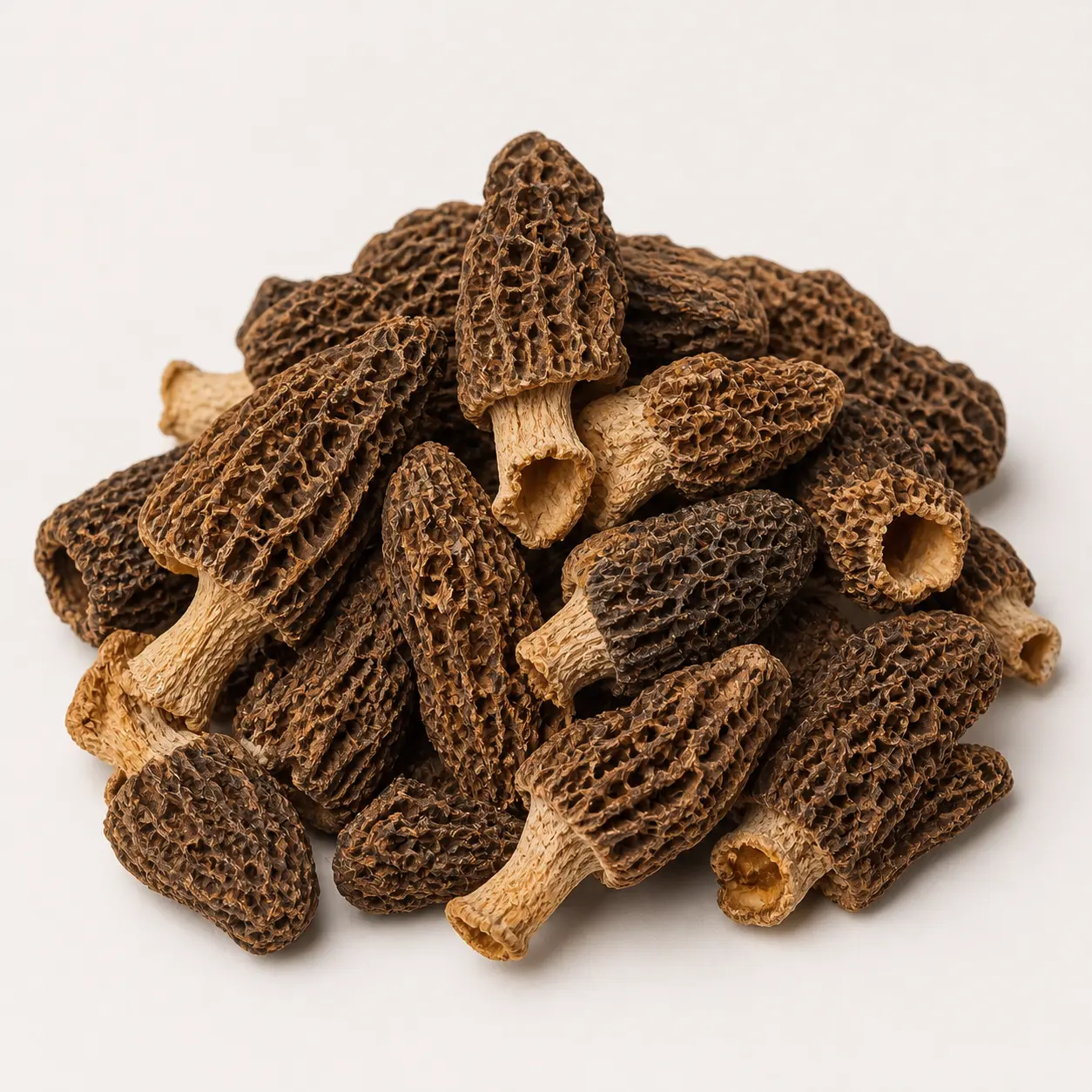
Dried mushrooms deliver equal or superior flavour to fresh mushrooms in most cooked applications because the drying process concentrates umami compounds. Varieties like dried porcini, shiitake, and morel are prized in professional kitchens specifically for their intensity. The rehydration liquid itself functions as a ready-made stock. For raw or lightly dressed applications, fresh mushrooms remain preferable — but for any dish involving direct heat or liquid, dried mushrooms perform at the same level or better.
How much dried mushroom do I need to replace fresh mushrooms in a recipe?
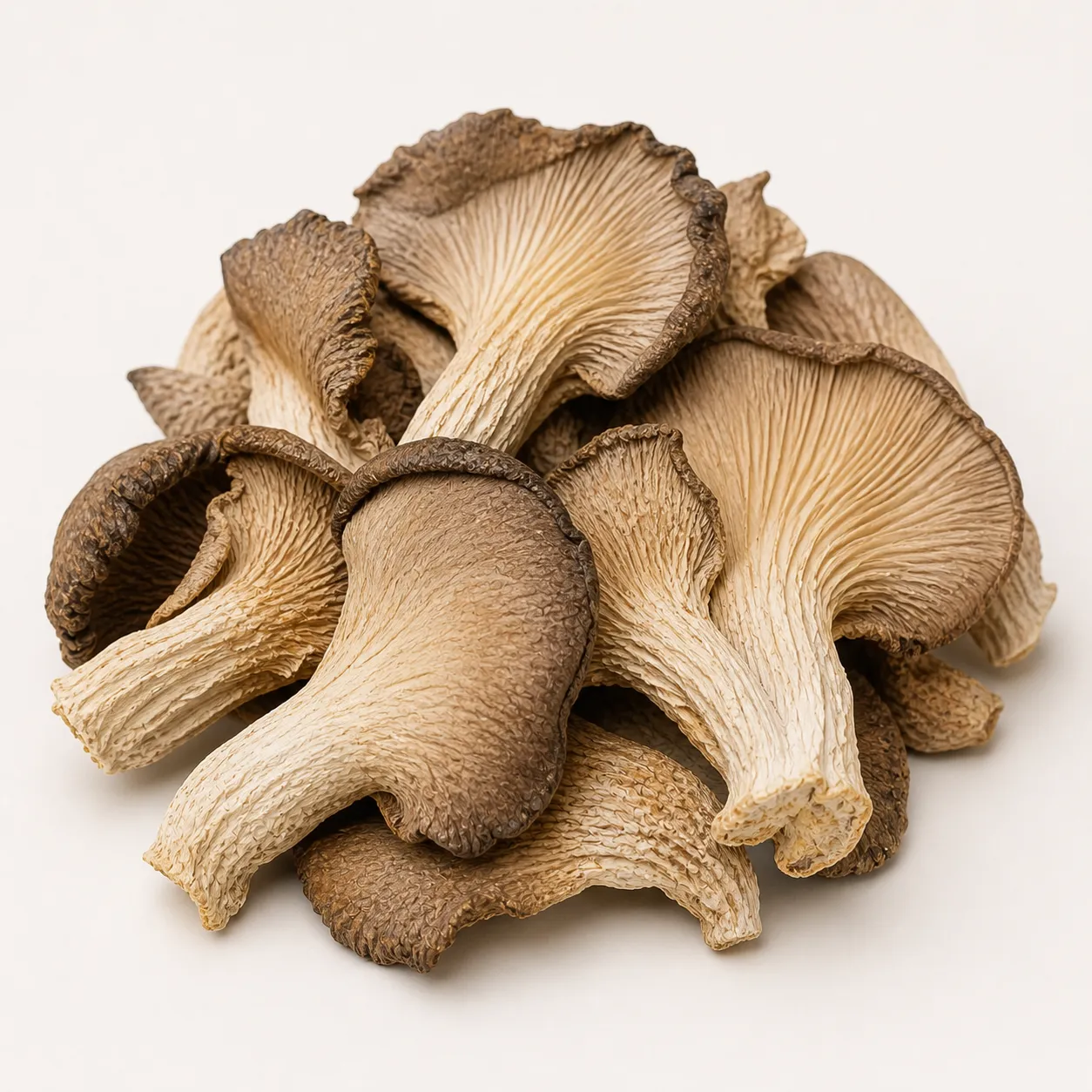
As a general rule, use 30 g of dried mushrooms to replace 200 g of fresh mushrooms, based on a standard 1:6 to 1:8 rehydration ratio. The exact yield varies by variety — dried wood ear mushrooms rehydrate at closer to 1:10, while dried morels sit closer to 1:5. Weigh a rehydrated batch from your specific supplier before finalising recipe yields, as moisture content at the dried stage affects final output.
Can switching to dried mushrooms meaningfully reduce a restaurant's food cost percentage?
Yes, for kitchens where mushrooms appear on multiple menu items. The combination of zero trim waste, rehydration yield of 6–10x, and elimination of weekly spoilage write-offs can reduce the effective cost per usable kilogram by 60–75% compared to fresh product in many cases. The impact on overall food cost percentage depends on mushroom usage volume relative to total food spend — but for plant-forward, Italian, or Asian-influenced menus where mushrooms appear frequently, the savings are material. Fungi Origin can provide current wholesale pricing to help model the switch for your specific menu.
Need wholesale support?
Contact Fungi Origin for pricing, product inspection, pickup, GTA delivery, or courier shipping across Canada and the US for bulk dried mushroom orders.
Contact Us