Ingredient Guide
Dried Porcini vs Shiitake vs Morel: Which Works Best for Your Menu?
Porcini, shiitake, and morel are widely used dried mushrooms in professional kitchens. Compare flavour, yield, cost, and best menu applications.
By Fungi Origin Team
Fungi Origin supplies premium wholesale dried mushrooms to restaurants, distributors, and retailers across Ontario.
Porcini, shiitake, and morel occupy the same section of the dried mushroom catalogue but serve completely different roles in a professional kitchen. Choosing the wrong one for a dish doesn't just affect flavour — it affects cost per portion, rehydration yield, and menu positioning. According to the Specialty Food Association's 2024 trend report, umami-forward ingredients including premium dried mushrooms are among the fastest-growing categories in North American food service. Dried mushrooms are shelf-stable fungi that concentrate flavour through the drying process, producing more intense umami, deeper colour, and a rehydration liquid usable as stock — but each variety carries a distinct flavour profile, texture, and price point that determines where it performs best on a menu.
Compare Flavour Profiles Before Choosing a Variety
Flavour is the primary driver of variety selection, and the three mushrooms occupy distinct positions on the umami spectrum. Understanding those positions before building a dish around them saves reformulation time and avoids expensive mismatches between ingredient cost and menu tier.
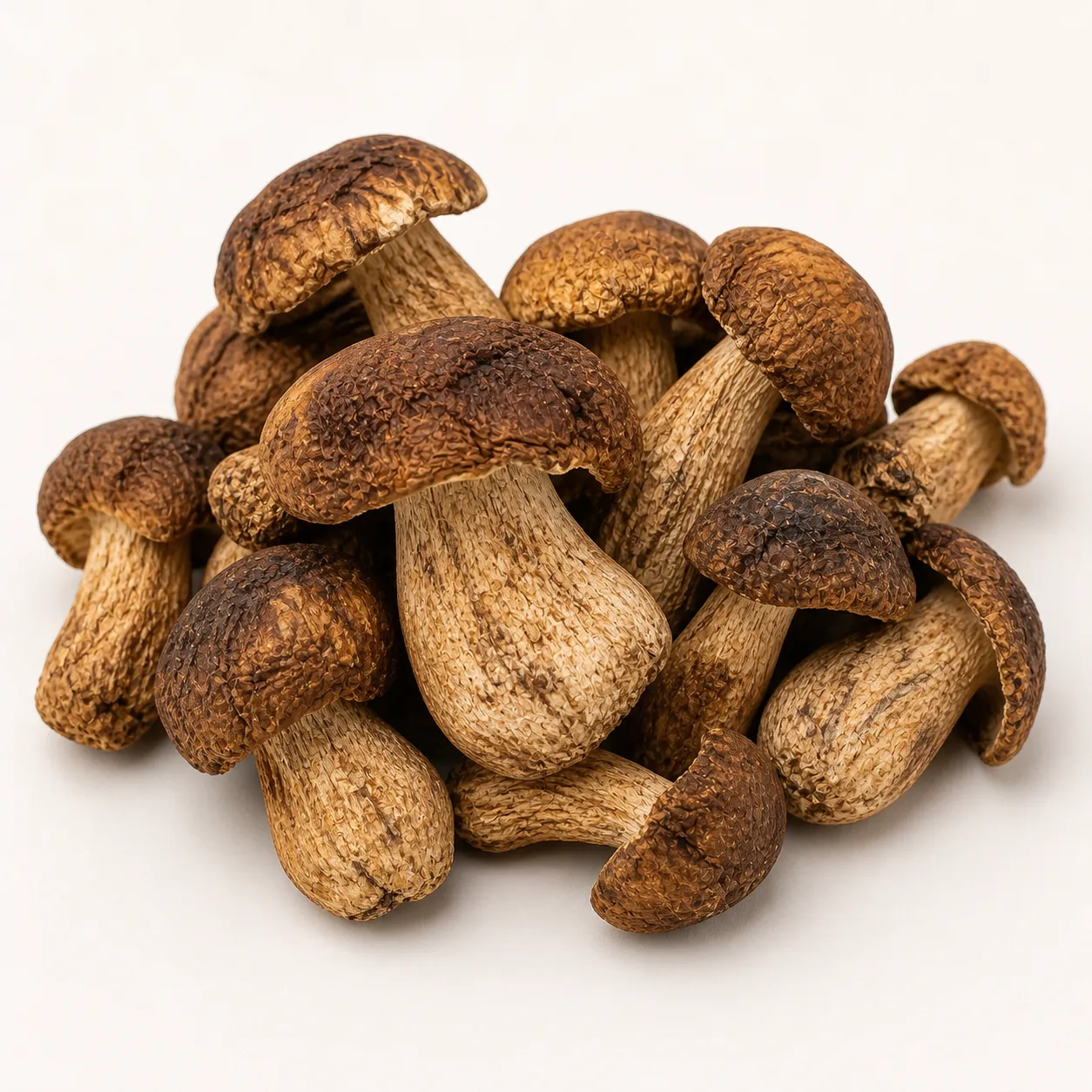
Dried porcini (Boletus edulis) deliver the most aggressive umami of the three. The flavour is earthy, nutty, and forest-forward — often described as the defining smell of Italian autumn cooking. Even a small quantity transforms a sauce or braise. The rehydration liquid from porcini is deeply coloured and intensely flavoured, functioning as a premium stock component on its own.
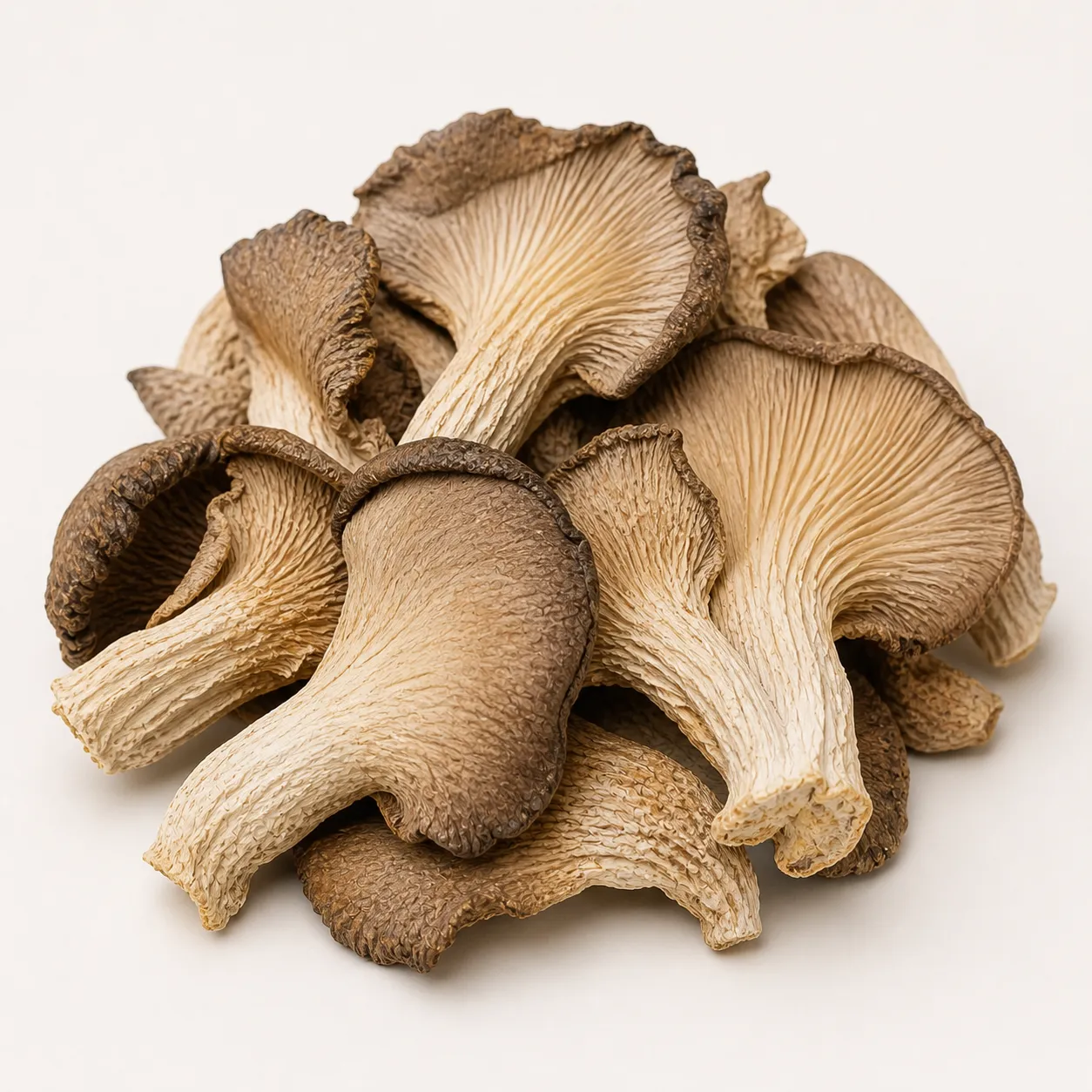
Dried shiitake carry a more complex flavour profile: umami base with a distinct smokiness and a subtle sweetness that rounds out sauces rather than dominating them. The flavour integrates well with a wide range of cuisines, from Japanese and Korean to French and plant-based applications. Shiitake rehydration liquid is lighter and cleaner than porcini, making it more versatile as a broth base.
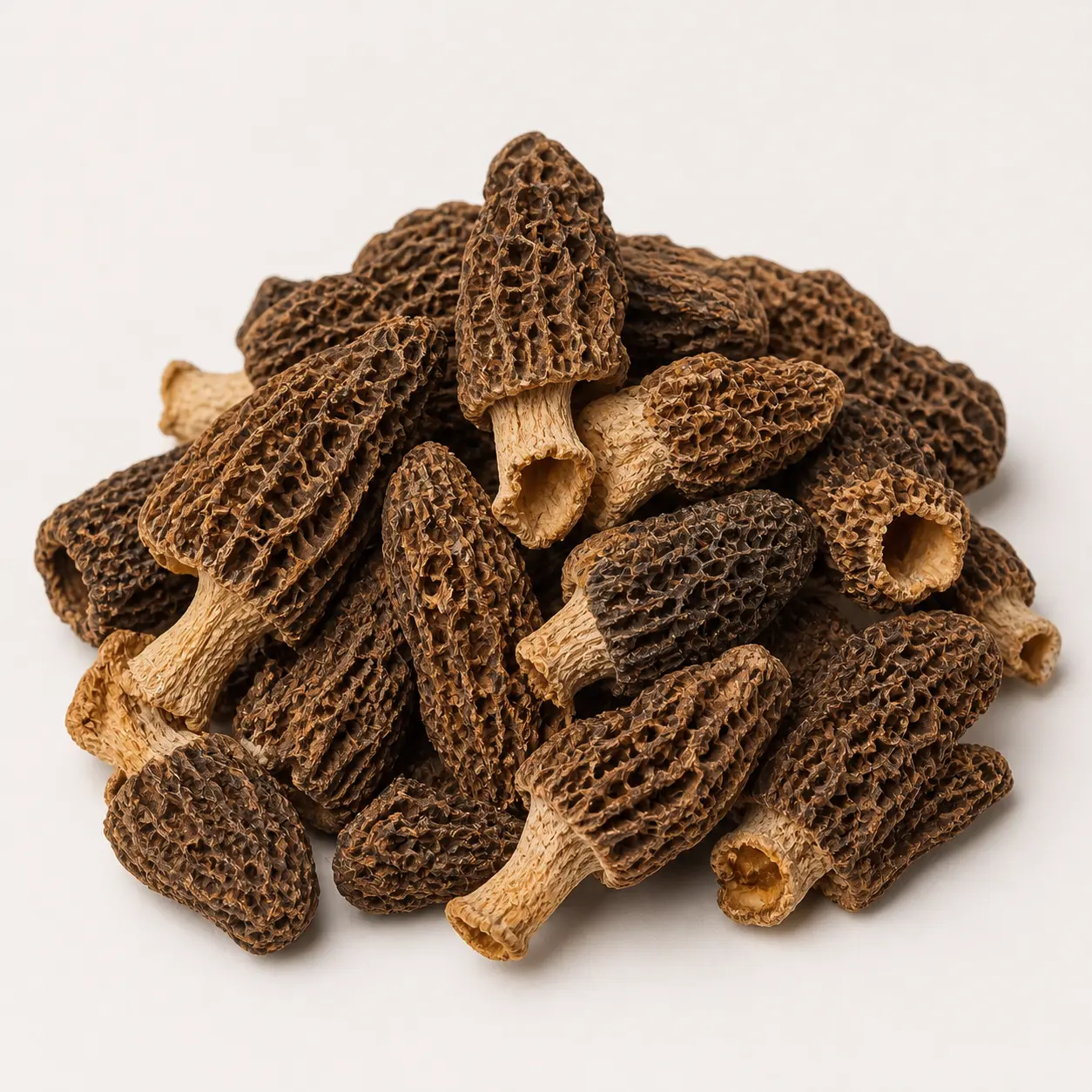
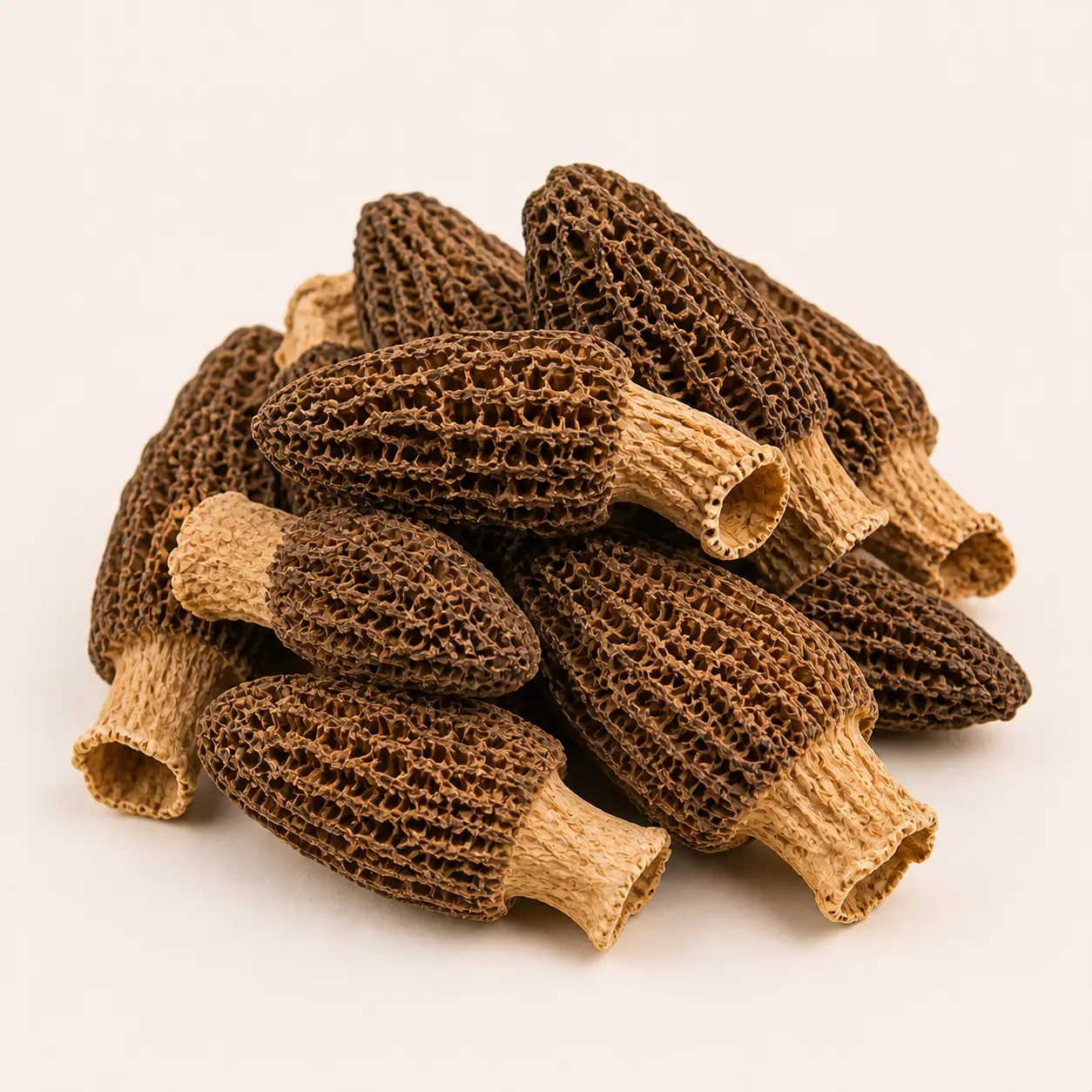
Dried morel (Morchella species) sit at the premium end of both flavour and price. The profile is nutty, slightly smoky, and deeply savoury without the aggressive earthiness of porcini. Morels are used in dishes where the mushroom itself is a feature, not a background flavour — cream sauces, fine dining garnishes, and preparations where visual presentation matters alongside taste.
- Porcini: dominant earthy umami, best as a flavour base
- Shiitake: balanced smoky-sweet umami, most versatile
- Morel: refined nutty savouriness, best as a featured ingredient
Evaluate Rehydration Yield and Practical Kitchen Performance
Flavour matters, but so does what each mushroom does when it hits water and heat. Rehydration ratio, texture after cooking, and the quality of the soaking liquid all affect how each variety integrates into kitchen workflows and final dish yield.
Dried porcini rehydrate at approximately 1:5 to 1:6 — meaning 100 g of dried porcini yields roughly 500–600 g of rehydrated product. The texture is soft and slightly silky, which breaks down easily in sauces and pastas. Porcini does not hold its shape well as a standalone piece after rehydration, which makes it less suitable for presentations where the mushroom needs to be visually prominent.
Dried shiitake rehydrate at 1:6 to 1:8 and hold their structure significantly better than porcini after rehydration. The cap remains firm enough to slice, sauté, and serve as a recognisable piece — making shiitake the most practical option for dishes where mushroom texture is a functional component. Shiitake rehydration requires slightly longer soaking time (20–30 minutes in warm water) but rewards that patience with consistent yield.
Dried morel rehydrate at 1:4 to 1:5 — the lowest yield ratio of the three — which partly explains the higher cost per portion in finished dishes. However, morels hold exceptional shape after rehydration: the honeycomb cap structure remains intact, making them visually distinctive on the plate. Morel soaking liquid contains fine sediment and should be strained carefully before use.
Dried shiitake offers the best rehydration yield and most consistent kitchen performance of the three varieties, making it the default choice for high-volume applications where both cost and texture reliability matter.
Match Each Variety to the Right Menu Applications
The performance difference between these three mushrooms becomes most apparent when matched against specific cooking methods and menu contexts. Using porcini where morel is called for wastes flavour intensity; using morel in a high-volume braise wastes cost.
Porcini works best in:
- Risotto and pasta sauces where umami depth is the goal
- Meat braises and slow-cooked protein dishes
- Compound butters and tapenade where flavour concentration is an asset
- Stocks and demi-glace for classical French and Italian applications
- Plant-based mains where deep savoury flavour replaces meat
Shiitake works best in:
- Ramen broths, miso soups, and Asian-influenced stocks
- Stir-fries, rice dishes, and grain bowls where texture holds
- Pizza and flatbread toppings
- Vegan and vegetarian proteins where a recognisable mushroom piece is needed
- High-volume production where consistent yield and cost predictability matter
Morel works best in:
- Cream sauces — the classic French preparation where morel is the centrepiece
- Fine dining garnishes and small plates where visual presentation is priced into the dish
- Spring seasonal menus where morel's connection to wild foraging adds narrative value
- Egg dishes: morel omelettes and scrambled eggs are a classic pairing
- Any application where the per-portion cost can be reflected in menu price
For most Ontario restaurant kitchens running mixed menus, the practical answer is to stock all three at different volume levels: shiitake in bulk for daily production, porcini in moderate quantities for sauce bases and specials, and morel in small quantities for featured dishes and seasonal rotations.
Understand the Cost Difference and How to Justify It on a Menu
Price per kilogram varies significantly across these three varieties, and the gap is not arbitrary — it reflects harvest method, supply concentration, and global demand. Building the cost difference into menu pricing requires understanding what drives it.
Dried porcini are wild-foraged, not cultivated. Global supply comes primarily from Italy, Eastern Europe, and China, with Italian-origin porcini commanding a significant premium. Wholesale prices in Canada typically range from $60–$120/kg depending on grade and origin, with Italian porcini at the higher end. The flavour intensity means a small quantity goes a long way — a 20 g addition to a risotto portion is sufficient to anchor the dish.
Dried shiitake are cultivated at industrial scale, primarily in China, Japan, and Korea. This controlled supply keeps pricing stable and accessible: wholesale prices in Ontario typically range from $25–$45/kg depending on grade. The combination of stable pricing, high rehydration yield, and broad application makes shiitake the highest-value dried mushroom for most commercial kitchens by volume.
Dried morel are the most expensive of the three by a significant margin. Wild-foraged from North America, Europe, and parts of Asia, morels are subject to harvest variability that can push wholesale prices to $200–$400/kg or higher in low-yield years. The cost is justified only when the morel is featured prominently and the menu price reflects it — using morel as a background flavour in a high-volume dish is a costly mistake.
Fungi Origin supplies all three varieties to Ontario wholesale accounts with transparent pricing tiers — contact the team for current pricing and volume thresholds relevant to your kitchen's usage.
Choose the Right Starting Point Based on Your Menu Type
The correct variety to trial first depends on your menu's cuisine direction, price point, and production volume — not on which mushroom has the most impressive reputation.
For Italian, French, or Mediterranean menus at mid-to-high price points, porcini is the natural starting point. The flavour profile aligns with the cuisine, the cost per portion is manageable at low usage volumes, and the rehydration liquid adds genuine value to sauces and stocks.
For Asian-influenced, plant-based, or high-volume menus, dried shiitake is the right first purchase. The versatility across cuisines, the predictable yield, and the accessible wholesale price make it the most practical entry point into dried mushroom sourcing.
For fine dining or seasonal tasting menus where ingredient narrative and visual presentation are priced into the menu, morel is worth the premium — but only in applications where the mushroom is the feature, not a supporting ingredient.
Browse Fungi Origin's wholesale dried mushroom catalogue to compare current grades and pricing across sliced porcini, morel, shiitake, and other varieties available for Ontario delivery. Requesting a sample before committing to bulk quantities is always advisable when trialling a new variety for the first time.
Frequently Asked Questions
What is the main difference between dried porcini and dried shiitake for cooking?
Dried porcini deliver a more aggressive, earthy umami that dominates a dish's flavour profile — best used as a base ingredient in sauces, risottos, and braises. Dried shiitake offer a more balanced smoky-sweet umami that integrates across a wider range of cuisines without overpowering other ingredients. Shiitake also holds texture better after rehydration, making it suitable for dishes where a recognisable mushroom piece is needed. For high-volume production, shiitake is more cost-effective; for intense flavour impact in smaller quantities, porcini performs better.
Are dried morels worth the high price for restaurant use?
Dried morels are worth the cost only when the mushroom is the featured ingredient and the menu price reflects it. In cream sauces, fine dining garnishes, and seasonal dishes where morel's visual appeal and refined nutty flavour are part of the dish's value proposition, the premium is justified. Using dried morel as a background flavour in a high-volume preparation — where shiitake or porcini would perform comparably at a fraction of the cost — is not a sound food cost decision.
Can I mix dried porcini, shiitake, and morel in the same dish?
Mixing dried mushroom varieties is a common technique in professional kitchens and can produce more complex flavour than any single variety alone. A combination of porcini and shiitake works particularly well in stocks, braises, and pasta sauces — porcini contributes dominant earthiness while shiitake adds structural texture and a lighter umami. Morel is typically used solo in featured applications rather than blended, to preserve its visual identity on the plate. When blending, rehydrate varieties separately to account for different soaking times and liquid intensities.
Shop this product
Buy sliced porcini mushroom wholesale
Stocked in Ontario. Free GTA delivery over $350 CAD; courier shipping across Canada and to the US.
Wholesale
Dried Wild Mushrooms
Sliced Porcini Mushroom
Premium sliced dried porcini mushrooms for restaurants, distributors, and specialty food buyers.
Wholesale price
$72.87/lb
$160.65/kg
Market reference
Approx. $264/kg
Need wholesale support?
Contact Fungi Origin for pricing, product inspection, pickup, GTA delivery, or courier shipping across Canada and the US for bulk dried mushroom orders.
Contact Us