Commercial Kitchen Operations
Shelf Life Comparison: Dried vs Fresh Mushrooms for Commercial Kitchens (2026)
Dried mushrooms last up to 24 months vs 7 days for fresh. Compare shelf life, storage costs, yield, and sourcing logistics for commercial kitchens.
By Editorial Team
Food sourcing and kitchen operations specialists covering ingredient procurement, storage science, and commercial kitchen efficiency across Canada.
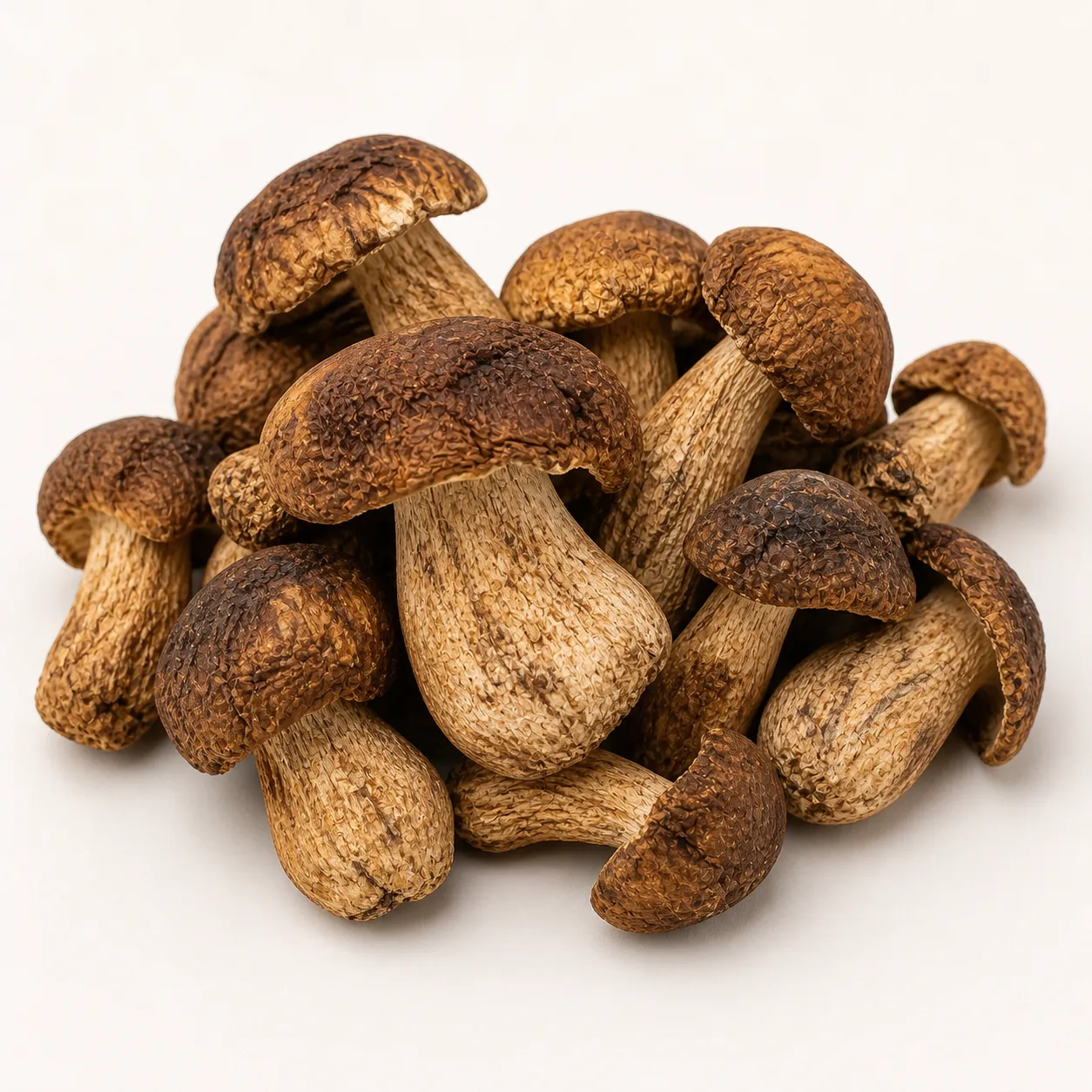
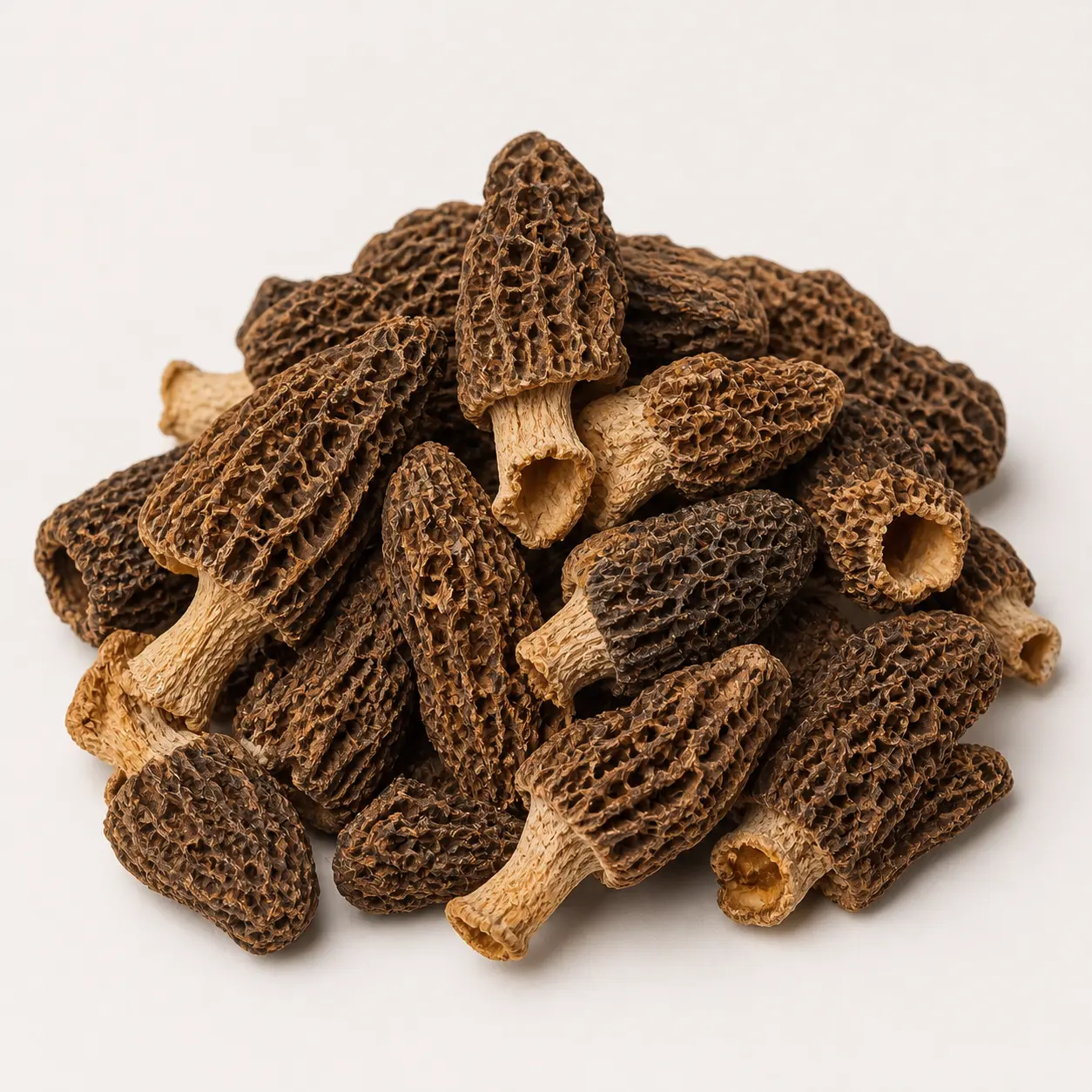
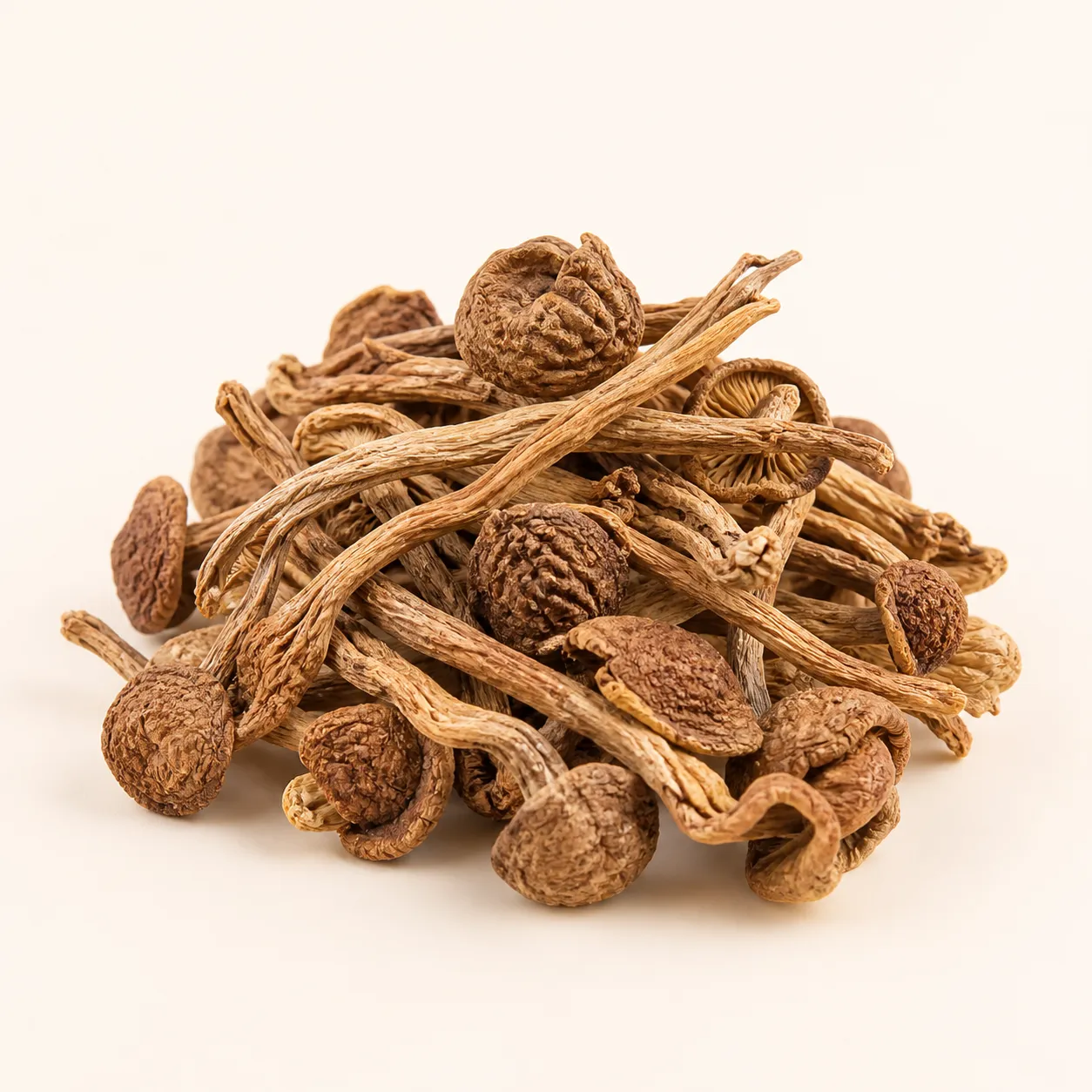
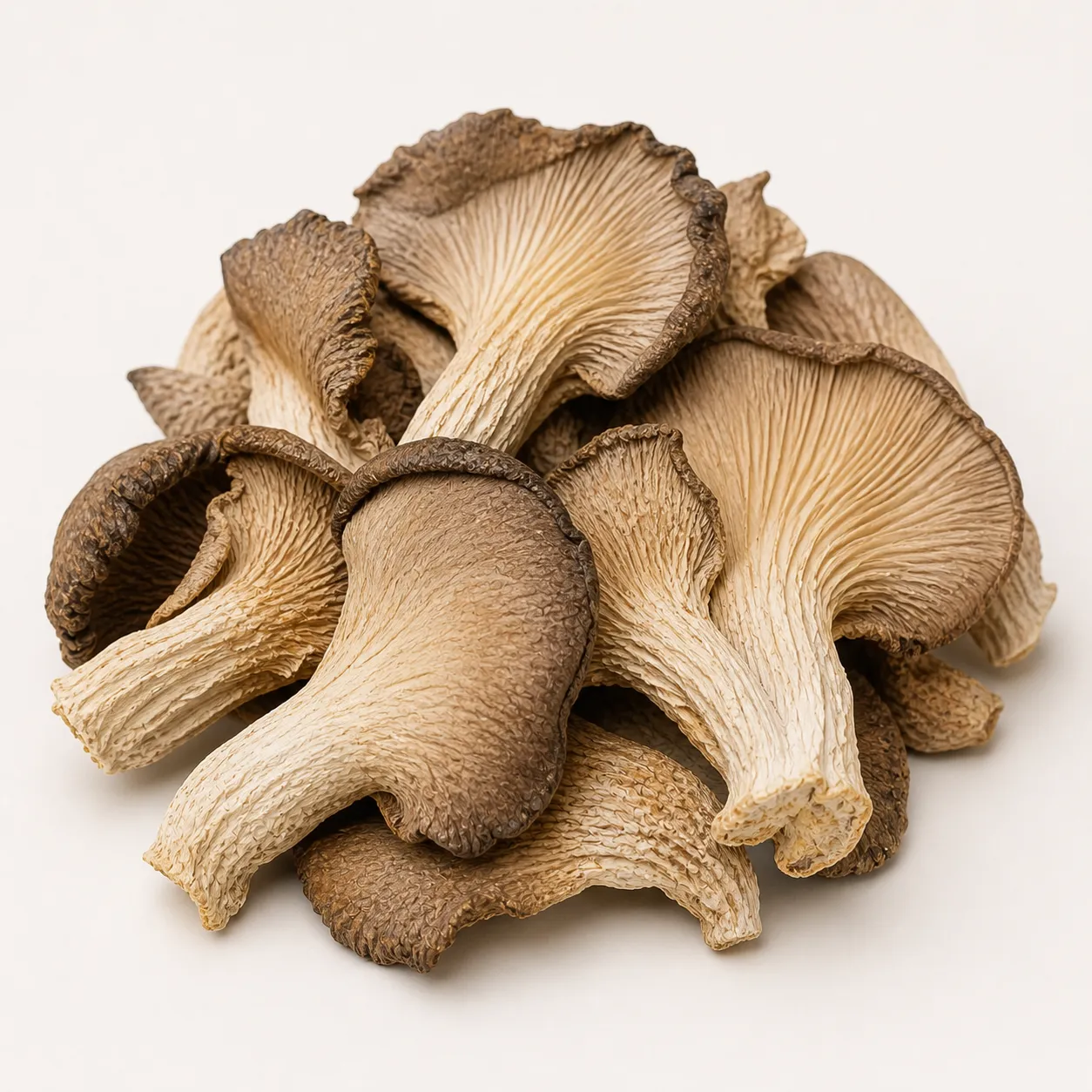
For commercial kitchens, the choice between dried and fresh mushrooms is not a matter of preference — it is a procurement and operations decision with direct consequences for food cost, waste, and kitchen efficiency. Dried mushrooms have a shelf life of 18 to 24 months when stored correctly, compared to just 5 to 7 days for fresh mushrooms under refrigeration. Understanding this gap — and what it means for storage costs, yield calculations, rehydration yield, and supplier logistics — is essential for any food service operation sourcing mushrooms at volume. This guide breaks down the full comparison so commercial kitchens in Ontario and across Canada can make an informed sourcing decision.
Shelf Life: The Numbers Every Commercial Kitchen Should Know
Dried mushrooms dramatically outlast their fresh counterparts, and the difference has compounding operational implications. Properly stored dried mushrooms — kept in airtight, moisture-barrier packaging at room temperature below 20°C — maintain quality for 18 to 24 months from the production date. Fresh mushrooms, stored at 1–4°C with controlled humidity, degrade within 5 to 7 days of delivery and are typically unusable after 10 days.
For a commercial kitchen receiving weekly deliveries, that means:
- Fresh mushrooms must be used within the same delivery cycle or written off as waste
- Dried mushrooms can be purchased in bulk monthly or quarterly without spoilage risk
- Waste rate for fresh mushrooms in commercial foodservice averages 15–25% according to the National Restaurant Association's 2023 food waste report
- Dried mushrooms have a near-zero spoilage rate when stored in sealed conditions
The practical implication is straightforward: dried mushrooms allow commercial kitchens to decouple purchasing frequency from usage frequency — a significant operational advantage in high-volume or variable-demand environments.
Storage Requirements and True Cost of Each Format
Storage costs are rarely factored into the fresh vs. dried mushroom decision, but they are a meaningful line item for commercial kitchens operating at scale. Fresh mushrooms require dedicated refrigerated space at 1–4°C with 90–95% relative humidity — conditions that compete with other perishables for cold storage capacity.
Dried mushrooms, by contrast, require only dry, dark ambient storage below 20°C in airtight packaging. No refrigeration. No humidity control.
Key cost differences to account for:
- Cold storage cost for fresh mushrooms: refrigerated shelf space in a commercial walk-in averages CAD $0.80–$1.20 per cubic foot per month in Ontario food service operations
- Ambient storage cost for dried mushrooms: standard dry storage runs approximately CAD $0.10–$0.30 per cubic foot per month
- Packaging degradation: once opened, fresh mushroom shelf life drops to 2–3 days; dried mushrooms remain stable for weeks after opening if resealed in airtight conditions
- Order frequency: fresh mushrooms typically require 2–3 weekly deliveries for high-volume kitchens; dried mushrooms can be ordered monthly or per-season
For kitchens managing tight refrigeration capacity — particularly in Toronto, Hamilton, or smaller Ontario operations — the cold storage trade-off alone can justify shifting volume-stable menu items from fresh to dried mushroom formats.
Yield Calculations: What You Actually Get Per Dollar Spent
Yield comparison is where dried mushrooms often surprise buyers — and where purchase price comparisons become misleading without proper analysis. Dried mushrooms expand significantly during rehydration, but the usable yield per dollar spent requires careful calculation.
Standard rehydration ratio: 1 lb of dried mushrooms yields approximately 5–6 lbs of rehydrated product, depending on the species and soak method.
Using shiitake as the benchmark:
| Metric | Fresh Shiitake | Dried Shiitake (rehydrated) |
|---|---|---|
| Purchase price (Ontario wholesale) | CAD $6–$10 / lb | CAD $15–$25 / lb |
| Usable yield per lb purchased | ~85% (trim loss) | ~500% (rehydrated) |
| Effective cost per usable lb | ~$7–$12 | ~$3–$5 |
| Shelf life at point of use | 5–7 days | 18–24 months (dry) |
The rehydrated cost-per-pound advantage for dried mushrooms is consistent across most species. Fresh mushrooms carry a real premium when accounting for waste, trim loss, and spoilage — particularly for lower-volume or intermittent-use menu items.
The rehydration liquid (mushroom soaking water) also carries concentrated umami flavour and is usable as a stock base, adding further yield value that fresh mushrooms do not provide.
Flavour, Texture, and Application: When Each Format Wins
Flavour and texture differences between dried and fresh mushrooms are real — and the right choice depends on application, not a blanket preference. Dried mushrooms have an intensified, concentrated flavour profile due to the dehydration process concentrating glutamates, making them superior in applications where deep umami is the goal.
Where dried mushrooms outperform fresh:
- Braises, stocks, sauces, and soups where concentrated flavour extraction matters
- Spice blends, dry rubs, and powders (ground dried mushroom)
- Stuffings, risottos, and pasta dishes where texture after cooking is secondary to flavour
- Off-season sourcing of wild varieties (morel, chanterelle, porcini) unavailable fresh year-round
Where fresh mushrooms remain the better choice:
- Sautéed or roasted preparations where texture and moisture release are critical
- Raw or lightly cooked applications: carpaccio, salads, garnishes
- High-end plating where visual consistency of whole fresh caps is required
- Menu items where the mushroom is the primary protein or the centrepiece
According to a 2022 study published in the Journal of Food Science, dehydration increases free glutamate concentration in shiitake mushrooms by up to 40% compared to fresh, confirming why dried formats deliver stronger savoury depth in cooked applications. For commercial kitchens building flavour-forward dishes at scale, dried mushrooms are the more cost-effective and logistically manageable format.
Supplier Logistics: Sourcing Dried vs Fresh at Commercial Volume
Procurement reliability is a critical operational variable that the shelf life comparison makes starkly clear. Fresh mushroom supply chains are inherently fragile — seasonal availability, weather events, and transportation delays all compress the already-narrow delivery window. A 24-hour delay on a fresh mushroom delivery can mean unusable product and a menu gap.
Dried mushroom procurement operates on a fundamentally different supply chain model:
- Lead times: dried mushrooms can be ordered 2–4 weeks in advance with no spoilage risk in transit
- Bulk purchasing: quarterly or semi-annual purchasing is feasible, reducing order frequency and administrative overhead
- Supplier reliability: certified Ontario dried mushroom suppliers with SFCA licenses and temperature-controlled warehouses provide consistent batch quality across seasons
- Inventory buffering: a 30–60 day dried mushroom inventory buffer is practical and cost-effective; the equivalent fresh buffer is impossible
- Cross-border sourcing: premium imported dried varieties (Italian porcini, French morel) are reliably available from Canadian importers; the fresh equivalent is cost-prohibitive or seasonally unavailable
For commercial kitchens in Ontario sourcing mushrooms at volume, a hybrid model is the most operationally resilient approach: fresh mushrooms for high-visibility applications where texture is non-negotiable, and dried mushrooms as the default for all flavour-extraction and bulk-use applications.
Frequently Asked Questions
How long do dried mushrooms last in a commercial kitchen?
Dried mushrooms last 18 to 24 months when stored in airtight, moisture-barrier packaging in a cool, dry environment below 20°C. Once opened, dried mushrooms remain usable for 4 to 8 weeks if resealed tightly and kept away from humidity and direct light. Commercial kitchens should track batch production dates from their supplier's Certificate of Analysis and rotate stock on a first-in, first-out basis.
Are dried mushrooms cost-effective compared to fresh for high-volume kitchens?
Yes — when calculated on a usable-yield basis rather than purchase price per pound, dried mushrooms typically deliver a lower effective cost per usable pound than fresh. One pound of dried shiitake rehydrates to approximately 5 to 6 pounds of usable product, bringing the effective cost per usable pound to roughly CAD $3–$5 versus $7–$12 for fresh shiitake after trim loss. The cost advantage is strongest for flavour-extraction applications like stocks, braises, and sauces.
Can dried mushrooms replace fresh mushrooms entirely in a commercial kitchen?
Dried mushrooms cannot fully replace fresh in all applications — texture-sensitive preparations such as sautés, roasted dishes, and raw presentations require fresh mushrooms for optimal results. However, dried mushrooms can replace fresh for the majority of cooked applications, including stocks, soups, risottos, pasta sauces, and dry spice blends. Most high-volume commercial kitchens in Ontario use both formats strategically rather than choosing one exclusively.
Conclusion
The shelf life gap between dried mushrooms (18–24 months) and fresh mushrooms (5–7 days) is not just a storage footnote — it reshapes procurement strategy, waste management, and cost structure for commercial kitchens operating at volume. Dried mushrooms offer superior cost-per-usable-pound, near-zero spoilage risk, lower storage overhead, and a more resilient supply chain. Fresh mushrooms remain essential for texture-critical applications, but the default for bulk, flavour-extraction, and off-season sourcing should be dried.
For kitchens ready to build a dried mushroom sourcing program, start with our guide to choosing a bulk dried mushroom supplier in Ontario before approaching vendors.
Need wholesale support?
Contact Fungi Origin for pricing, product inspection, pickup, GTA delivery, or courier shipping across Canada and the US for bulk dried mushroom orders.
Contact Us