Black Fungus / Wood Ear
Black Fungus Salad: Safe Prep in 7 Steps
Make crisp black fungus salad safely with short soaking, boiling, rapid cooling, clean seasoning, refrigeration, and practical leftover rules.
By Editorial Team
Food sourcing and kitchen operations specialists covering ingredient procurement, storage science, and commercial kitchen efficiency across Canada.
Black fungus salad should be crisp, bright, and freshly seasoned—not the result of a bowl left soaking on the counter all day. The safest workflow controls the dried ingredient from the first rinse through boiling, cooling, mixing, refrigeration, and service. Black fungus salad is a chilled cooked dish made from rehydrated wood ear, a dressing, and optional aromatics or vegetables. Fungi Origin's method keeps the familiar crunchy texture while treating the finished salad as perishable prepared food rather than a shelf-stable pickle.
Plan the Batch and Ingredients First
A small planned batch is safer and tastes better than an oversized bowl held for days. Dried black fungus expands substantially, so start with less dry product than the finished volume might suggest. If you have not tested the supplier lot, rehydrate and drain a measured sample before setting a restaurant recipe.
A flexible salad can include:
- dried black fungus or smaller cloud ear;
- garlic, ginger, or scallion;
- rice vinegar or another recipe-appropriate vinegar;
- soy sauce or salt;
- sesame oil or neutral oil;
- chilli, cilantro, cucumber, or carrot when desired;
- a small amount of sugar to balance acidity, if the recipe needs it.
Acid, garlic, chilli, and salt are seasonings here, not a validated preservation system. Unless a qualified process has established otherwise, the finished salad remains a refrigerated prepared food.
Keep raw meat, poultry, seafood, dirty produce, and their utensils away from the salad station. Health Canada emphasizes handwashing, clean surfaces and utensils, running water, and preventing cross-contamination when preparing mushrooms.
Rehydrate Wood Ear With Time Control
Use a short controlled soak and refrigerate any longer method from the beginning. Rinse the dried fungus, place it in a clean food-safe container, add clean water, and record the start time. Hong Kong's Centre for Food Safety advises limiting room-temperature soaking to two hours and refrigerating when more time is required.
Follow Fungi Origin's detailed wood ear rehydration guide and the product label. Once the pieces are fully expanded and flexible:
- Drain the soaking water.
- Rinse the wood ear thoroughly under fresh running water.
- Trim hard attachment points.
- Separate unusually thick pieces so cooking will be even.
- Discard pieces with slime, mould, or abnormal odour.
Do not save time by using an old unlabelled soaking batch. Changing the water does not reset unsafe room-temperature exposure. The FDA's wood ear outbreak investigation involved Salmonella and led to general advice to reconstitute non-recalled dried mushrooms using boiling water. A recalled package must be discarded, not cooked into salad.
Boil, Drain, and Cool Without Recontamination
For a cold salad, the rehydrated fungus still needs a complete cooking step. Bring a generous pot of clean water to a full boil, add the drained wood ear, and cook it according to the package or verified recipe. Timing varies with size and thickness, so avoid publishing one universal minute count as though every grade were identical.
After cooking:
- remove the pieces with a clean strainer;
- drain them thoroughly;
- cool them promptly using clean equipment;
- prevent contact with the sink, raw-food tools, or the original soaking bowl;
- move the cooled fungus into a clean mixing container.
An ice-water bath can stop cooking and protect crisp texture, but only when the ice, water, bowl, and utensils are food-safe. After the bath, drain thoroughly so excess water does not dilute the dressing or pool in storage.
Do not put cooked wood ear back on the same cutting board or into the same container used before cooking unless it has been properly washed and sanitized. Cooking reduces hazards in the ingredient; dirty post-cook handling can put contamination back onto a ready-to-eat salad.
Mix a Balanced Dressing With Clean Tools
Dress the cooled, well-drained fungus shortly before service for the cleanest texture. A useful starting structure is vinegar for brightness, soy sauce or salt for seasoning, a small amount of oil for aroma, and aromatics for character. Taste after mixing rather than relying on a fixed ratio across different vinegars and soy sauces.
For consistent restaurant production, weigh the drained fungus and measure dressing by batch weight. Record the actual formula instead of using “one bowl” or “a splash,” which changes with the employee and container.
Add-ins require their own controls:
- wash cilantro, cucumber, carrot, and scallion under fresh running water;
- use a clean board and knife dedicated to ready-to-eat preparation;
- keep raw garlic and herbs refrigerated according to the kitchen plan;
- avoid homemade flavoured oils held at room temperature without a validated process;
- declare allergens from soy, sesame, or other ingredients accurately.
Fungi Origin recommends adding crunchy vegetables close to service so they do not release excessive water. If a restaurant prepares components ahead, keep the cooked wood ear, dressing, and delicate garnishes covered and refrigerated, then combine controlled amounts.
Refrigerate and Serve It as a Perishable Salad
Black fungus salad belongs under refrigeration and should spend as little time as practical at room temperature. Transfer it to a clean covered container, label the preparation time, and keep it at 4°C/40°F or below. For buffet or service use, follow local rules for cold holding, utensil control, time marking, and discard.
Health Canada's leftover guidance says cooked food left at room temperature for more than two hours should be thrown away and refrigerated leftovers should generally be eaten within two to three days or frozen. A restaurant plan or product instruction may require a shorter period, especially after repeated handling or the addition of fresh garnishes.
For better quality and control:
- prepare the amount expected for one service window;
- keep backup salad refrigerated rather than topping up an old display bowl;
- use a clean serving utensil;
- never mix returned or time-expired salad into a fresh batch;
- date every container;
- discard any portion with unknown holding history.
The related rehydrated wood ear storage guide explains the difference between uncooked soaked prep and cooked leftovers. A finished salad should never be treated like dry pantry inventory.
Diagnose Texture and Flavour Problems
Most black fungus salad problems come from inconsistent hydration, incomplete draining, or holding it too long in dressing. A tough centre usually means the thickest pieces were not fully hydrated before cooking. A watery bowl points to poor draining or water-releasing vegetables. A soft, tired texture can come from overcooking or extended storage.
Use this troubleshooting guide:
- Hard centre: sort by thickness and complete the controlled soak before cooking;
- Rubbery texture: verify product grade, hydration, and cooking method;
- Watery dressing: drain longer and add cucumber or salt closer to service;
- Overly sharp flavour: balance the specific vinegar instead of adding more oil blindly;
- Flat flavour: check salt and acidity after the salad is cold;
- Loss of crunch: reduce cooking or dressing hold time in the next verified batch;
- Off odour or slime: discard rather than adjust seasoning.
Do not promise that one cooking time works for both thick black fungus and small cloud ear. Buyers who want a finer bite can compare small cloud ear fungus with the standard black fungus product, then validate the recipe with the chosen grade.
Frequently Asked Questions
Do you have to cook wood ear before making salad?
Yes. Rehydration only restores moisture; it does not replace cooking. Follow the package and a verified method, cook the fungus thoroughly, then cool it with clean equipment before adding dressing. A cold finished dish can still require a hot preparation step for the ingredient.
How long can black fungus salad stay in the refrigerator?
Use it promptly under the product instructions and your local food-safety plan. Health Canada's general guidance gives refrigerated cooked leftovers two to three days, but fresh garnishes, handling, and restaurant procedures may require a shorter limit. Discard any salad with unknown timing or unsafe room-temperature exposure.
Can vinegar make wood ear salad safe at room temperature?
No general home or restaurant recipe should assume that a splash of vinegar makes the salad shelf-stable. Acidity varies by product and final formula, and garlic, vegetables, handling, and temperature still matter. Keep the salad refrigerated unless a qualified process authority has validated a specific preservation method.
Keep the Crunch, Control the Process
A good black fungus salad combines a short traceable soak, complete cooking, clean cooling, balanced seasoning, refrigeration, and a realistic batch size. Those controls protect both the characteristic crunch and the customer. Choose Fungi Origin's black fungus or small cloud ear according to the desired bite, and contact Fungi Origin when a restaurant needs current case specifications.
Shop this product
Buy black fungus wholesale
Stocked in Ontario. Free GTA delivery over $350 CAD; courier shipping across Canada and to the US.
Wholesale
Dried Fungus
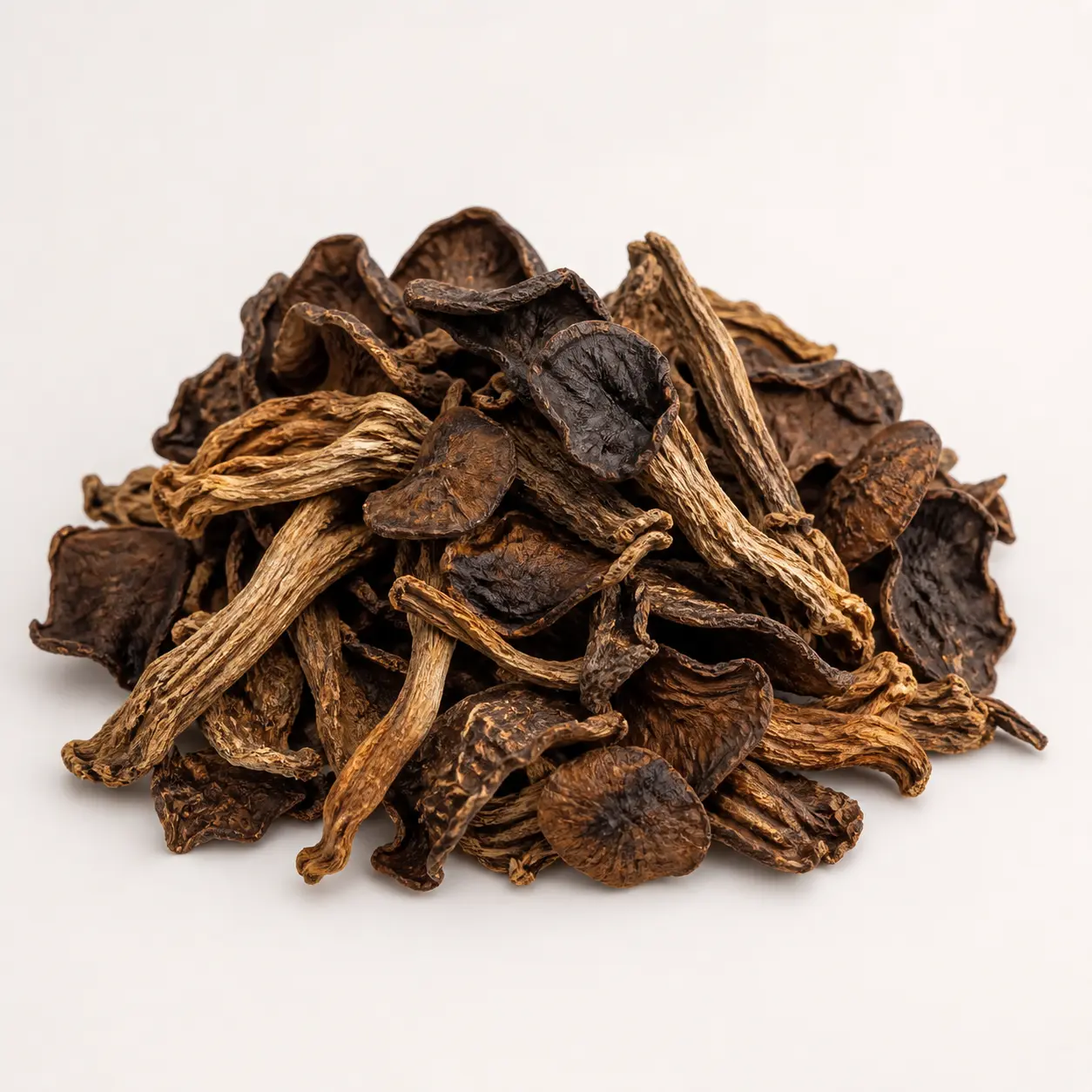
Black Fungus
Clean and well-selected dried black fungus suitable for food service and retail resale.
Wholesale price
$15.62/lb
$34.43/kg
Market reference
Approx. $59–80/kg
Need wholesale support?
Contact Fungi Origin for pricing, product inspection, pickup, GTA delivery, or courier shipping across Canada and the US for bulk dried mushroom orders.
Contact Us