Black Fungus / Wood Ear
Cloud Ear vs Black Fungus: Texture and Best Uses
Compare cloud ear and black fungus by size, thickness, crunch, menu use, grading, and buying specifications before choosing a dried wood ear product.
By Editorial Team
Food sourcing and kitchen operations specialists covering ingredient procurement, storage science, and commercial kitchen efficiency across Canada.
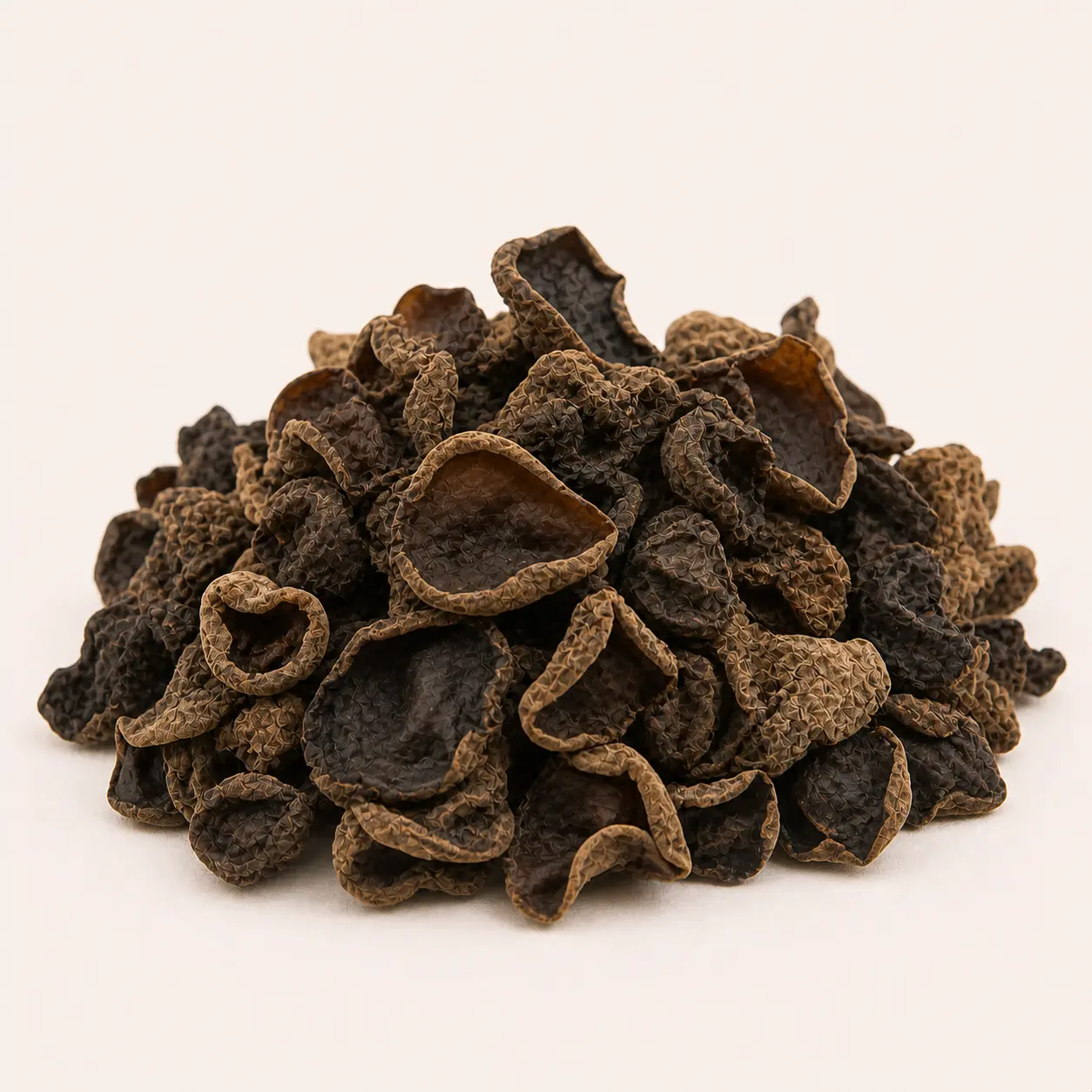
Cloud ear and black fungus belong to the wood ear category, but Canadian buyers should not assume the two product names guarantee identical size, thickness, species, or texture. In typical dried-goods trade, cloud ear describes smaller, thinner pieces with a finer crisp bite, while black fungus often describes larger, thicker pieces with more body. Cloud ear versus black fungus is primarily a comparison of commercial grade, piece size, thickness, and intended culinary texture—not a universal scientific naming rule. Fungi Origin recommends choosing from the physical specification and sample, not the common name alone.
Understand What the Names Actually Tell You
“Wood ear” and “black fungus” are broad market names, while “cloud ear” often signals a smaller grade or style. The FDA's wood ear outbreak page notes that wood ear can also be labelled dried black fungus, dried fungus, kikurage, or mu er. That naming overlap is why a buyer cannot reliably identify the exact product from an English common name alone.
A useful label or specification should clarify:
- scientific name when available;
- country of origin;
- whole, broken, sliced, or clustered form;
- typical dry piece-size range;
- thickness or grade description;
- colour range;
- moisture and storage requirements;
- foreign-material and defect tolerances;
- supplier lot and case format.
Fungi Origin sells black fungus and small cloud ear fungus as separate products because their physical formats support different menu choices. Other suppliers may use the names differently, so compare the actual SKU documents rather than transferring one supplier's definition to another.
The related guide to black fungus versus wood ear addresses the broader naming question. This article narrows the decision to the smaller cloud-ear format versus a more substantial black-fungus format.
Choose Cloud Ear for a Finer, More Even Bite
Cloud ear is the better choice when the dish needs small pieces, quick integration, and a delicate crisp texture. Smaller, thinner pieces can distribute evenly through a salad, filling, soup, noodle dish, or retail pack without extensive cutting. They also create more individual bites per measured portion.
Cloud ear commonly suits:
- cold dressed dishes where a light crunch is important;
- dumpling or spring-roll fillings;
- soups with small ingredients;
- noodle and rice dishes;
- mixed vegetable stir-fries;
- retail customers who prefer minimal trimming.
The advantage is consistency of scale, not a promise that every piece is identical. Natural dried fungus still varies. A food-service buyer should ask what percentage falls inside the stated size range and how broken pieces are handled in the grade.
Cloud ear can also appear more compact in dry form. Do not estimate portion cost from visual volume in an open bag. Weigh a representative dry sample, soak it using the package method, drain it consistently, and record usable yield.
For a salad, smaller pieces can accept dressing across more surface area and require less knife work. Follow the black fungus salad safety method and validate cooking time for the chosen cloud-ear grade rather than copying the time used for thicker fungus.
Choose Black Fungus for Body and Visible Structure
Standard black fungus is the better choice when the mushroom should remain visually distinct and provide a substantial crunch. Larger, thicker pieces hold their identity in hot pot, stir-fries, banquet dishes, soups, and sliced preparations. A chef can cut them to a deliberate shape rather than receiving only small pieces.
Black fungus commonly suits:
- hot pot and tabletop cooking;
- stir-fries with larger vegetables or proteins;
- soups where the fungus is a visible ingredient;
- julienned or shaped banquet preparations;
- restaurant batches that specify a larger piece;
- retail packages emphasizing whole-piece appearance.
That body brings extra prep decisions. Thick attachment points may need trimming, large pieces may need cutting, and hydration can take longer than a very thin grade. These are not defects when they match the purchased specification; they become problems only when the kitchen expected a different format.
Larger does not automatically mean “higher quality.” Quality means the product matches the declared grade, is clean and properly dried, has acceptable defects, performs consistently, and suits the intended dish. A premium small cloud ear can be a better purchase than a large black fungus for a fine-textured salad.
Compare Hydration and Cooking With a Batch Test
Never apply one fixed hydration ratio or cooking time to both products without testing. Piece thickness, dryness, grade, and trimming change the result. Use the same controlled method for a fair comparison, then assess each product at the texture required by the recipe.
For each sample, record:
- dry starting weight;
- clean water volume;
- soak method and start time;
- refrigeration status for a longer soak;
- drained hydrated weight after the same drain time;
- trim and broken-piece weight;
- cooked usable weight;
- labour needed for sorting and cutting;
- number of standard menu portions.
Use the package and a controlled refrigerated method for time and temperature safety. A higher water gain is not automatically better: the useful measure is acceptable cooked texture and usable portions, not maximum absorbed water.
Run the sensory test in the actual dish. Cloud ear may feel ideal in a cold dressing but too slight in a heavy braise; black fungus may be satisfying in hot pot but oversized in a dumpling filling. The recipe determines which texture counts as success.
Buy From a Written Specification, Not a Photo
A product photo cannot show the full distribution of size, moisture, breakage, or defects in a case. Ask the supplier for current specifications and, for meaningful volume, evaluate a representative sample from the offered lot. Online images are useful orientation, not a substitute for receiving standards.
A wholesale purchase check should cover:
- product and scientific name;
- origin and lot traceability;
- grade and size tolerance;
- whole-to-broken-piece expectation;
- colour and aroma expectations;
- moisture or dryness condition;
- case weight and inner packaging;
- allergen and cross-contact information where applicable;
- storage instructions and best-before information;
- complaint and replacement process.
Fungi Origin recommends writing the menu purpose directly on the comparison sheet: “cold salad—small crisp pieces” is more useful than “need good fungus.” It lets the buyer, chef, and supplier discuss the same outcome.
Price should be compared per usable cooked portion, including trim and labour, not only per dry kilogram. A smaller cloud ear may reduce cutting; a larger black fungus may create a premium visible portion. Either can be the economical choice when matched correctly.
Frequently Asked Questions
Is cloud ear the same as black fungus?
Cloud ear is generally sold within the broader wood ear or black fungus category, but the trade name often describes a smaller, thinner product. Naming is not perfectly standardized across suppliers. Verify the scientific name, grade, size, thickness, and sample instead of assuming two labels guarantee the same SKU.
Which is crunchier, cloud ear or black fungus?
Both can be crisp after proper preparation. Cloud ear usually gives a finer, lighter crunch, while thicker black fungus gives a more substantial bite. The exact result depends on product grade, soak, cooking, cut, and dish, so a controlled side-by-side test is the most reliable answer.
Which is better for restaurants?
Cloud ear is better for salads, fillings, and dishes needing small even pieces; larger black fungus is better when visible structure and a fuller bite matter. Restaurants using both applications may stock both. Compare usable yield, cutting labour, consistency, and cost per portion before choosing.
Choose the Texture the Menu Needs
For small even pieces and a delicate crisp bite, cloud ear is the stronger choice; for visible structure and a substantial crunch, standard black fungus is usually better. Common names are only the beginning—the specification and kitchen test make the decision reliable. Compare Fungi Origin's cloud ear and black fungus product information, then contact Fungi Origin for current lot, case, and wholesale details.
Shop this product
Buy black fungus wholesale
Stocked in Ontario. Free GTA delivery over $350 CAD; courier shipping across Canada and to the US.
Wholesale
Dried Fungus
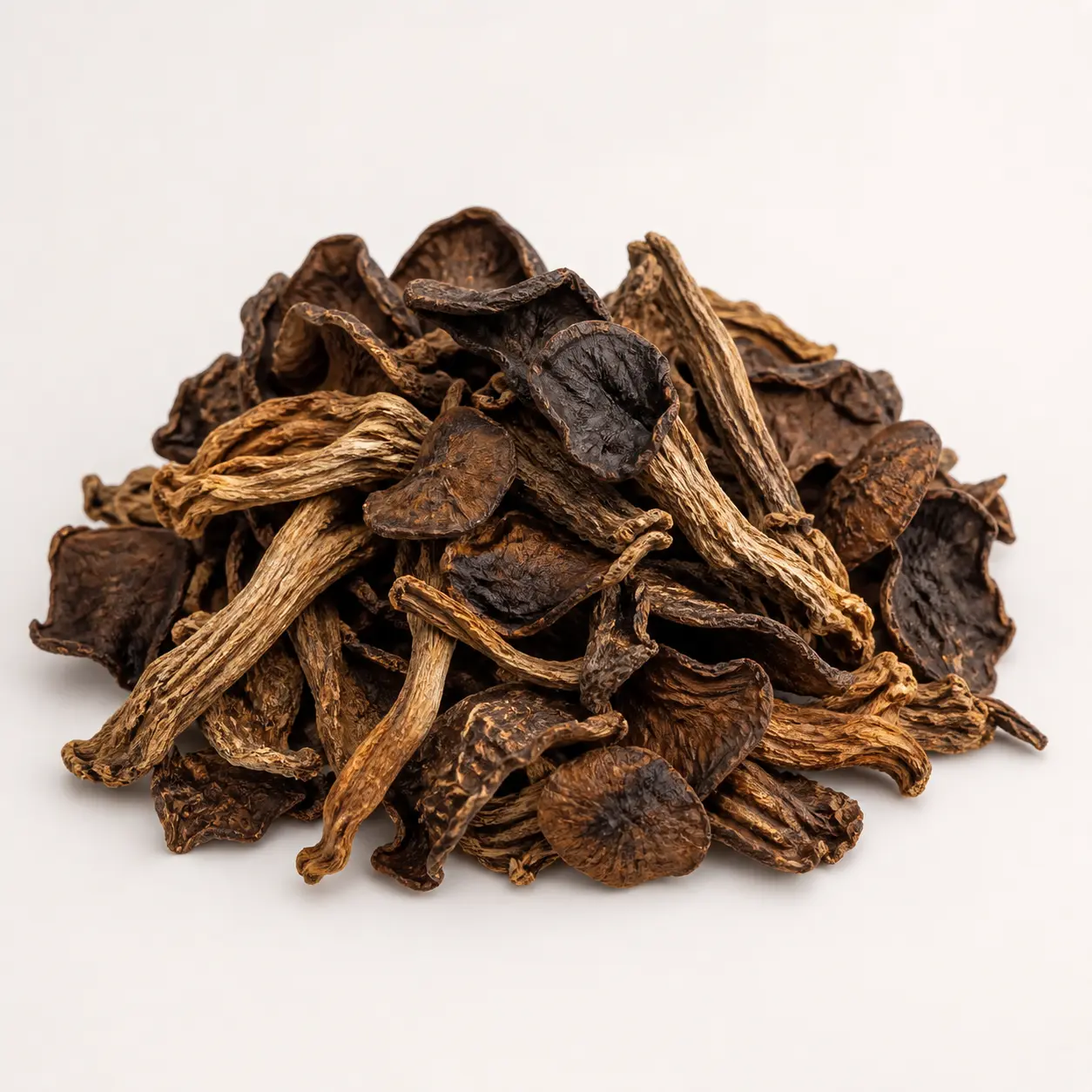
Black Fungus
Clean and well-selected dried black fungus suitable for food service and retail resale.
Wholesale price
$15.62/lb
$34.43/kg
Market reference
Approx. $59–80/kg
Need wholesale support?
Contact Fungi Origin for pricing, product inspection, pickup, GTA delivery, or courier shipping across Canada and the US for bulk dried mushroom orders.
Contact Us