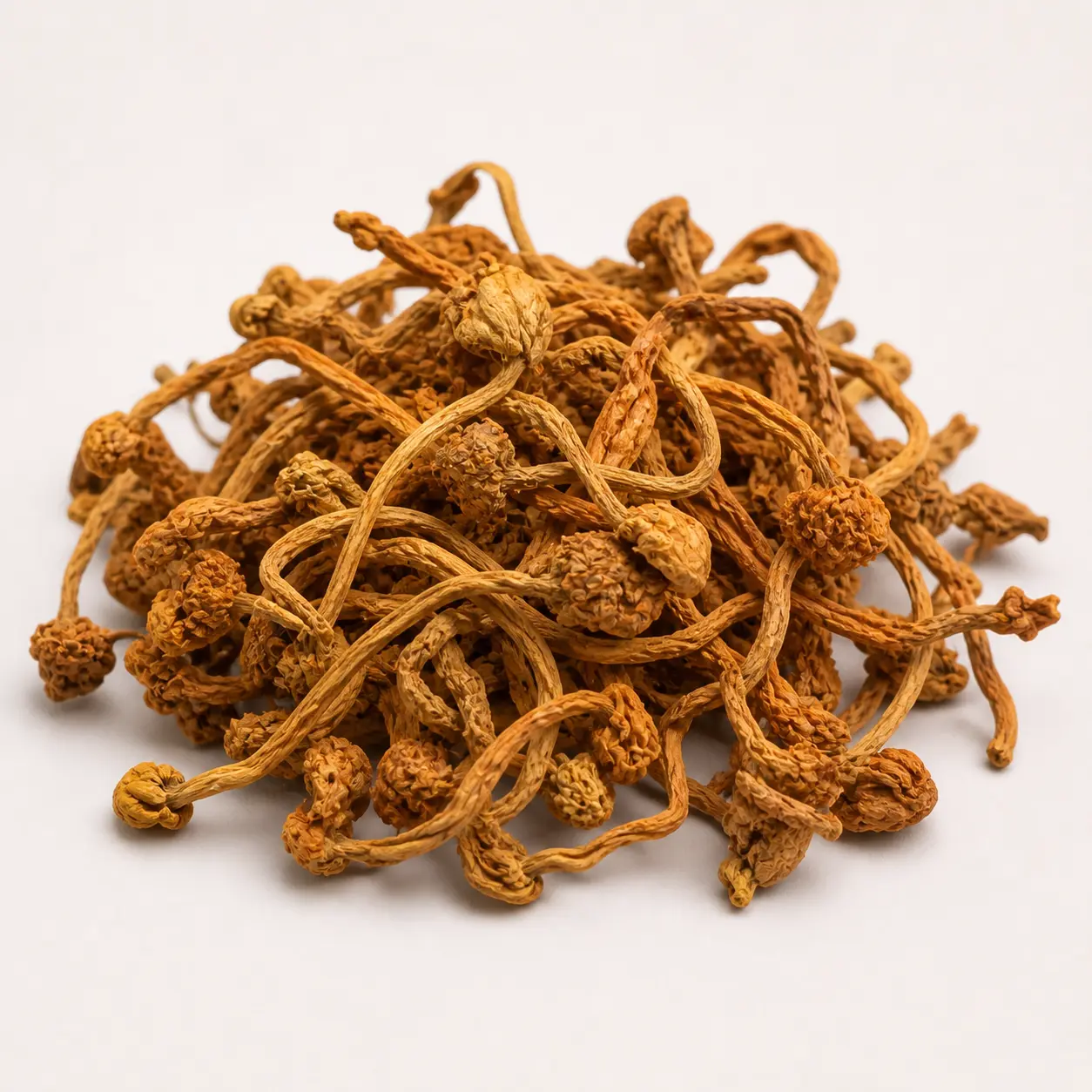
Cordyceps flower
Cordyceps Flower Soup Pairings: 7 Practical Ideas
Pair dried cordyceps flower with chicken, pork, tofu, mushrooms, corn, goji berries, or winter melon, with timing and flavour tips for balanced soup.
By Editorial Team
Food sourcing and kitchen operations specialists covering ingredient procurement, storage science, and commercial kitchen efficiency across Canada.
Cordyceps flower pairs well with mild proteins, clean vegetable broths, naturally sweet vegetables, and mushrooms that add savoury depth without covering its delicate earthy character. Chicken, lean pork, tofu, shiitake, corn, winter melon, red dates, and goji berries are all practical starting points. The best cordyceps flower soup is not the one with the longest ingredient list; it is the one where every addition has a clear flavour or texture role.
This article treats cultivated Cordyceps militaris as a culinary ingredient. It does not claim that a soup prevents or treats illness. Adjust every recipe for allergies, dietary needs, sodium targets, and the food-safety procedures of your home or restaurant.
Build the base before choosing the pairing
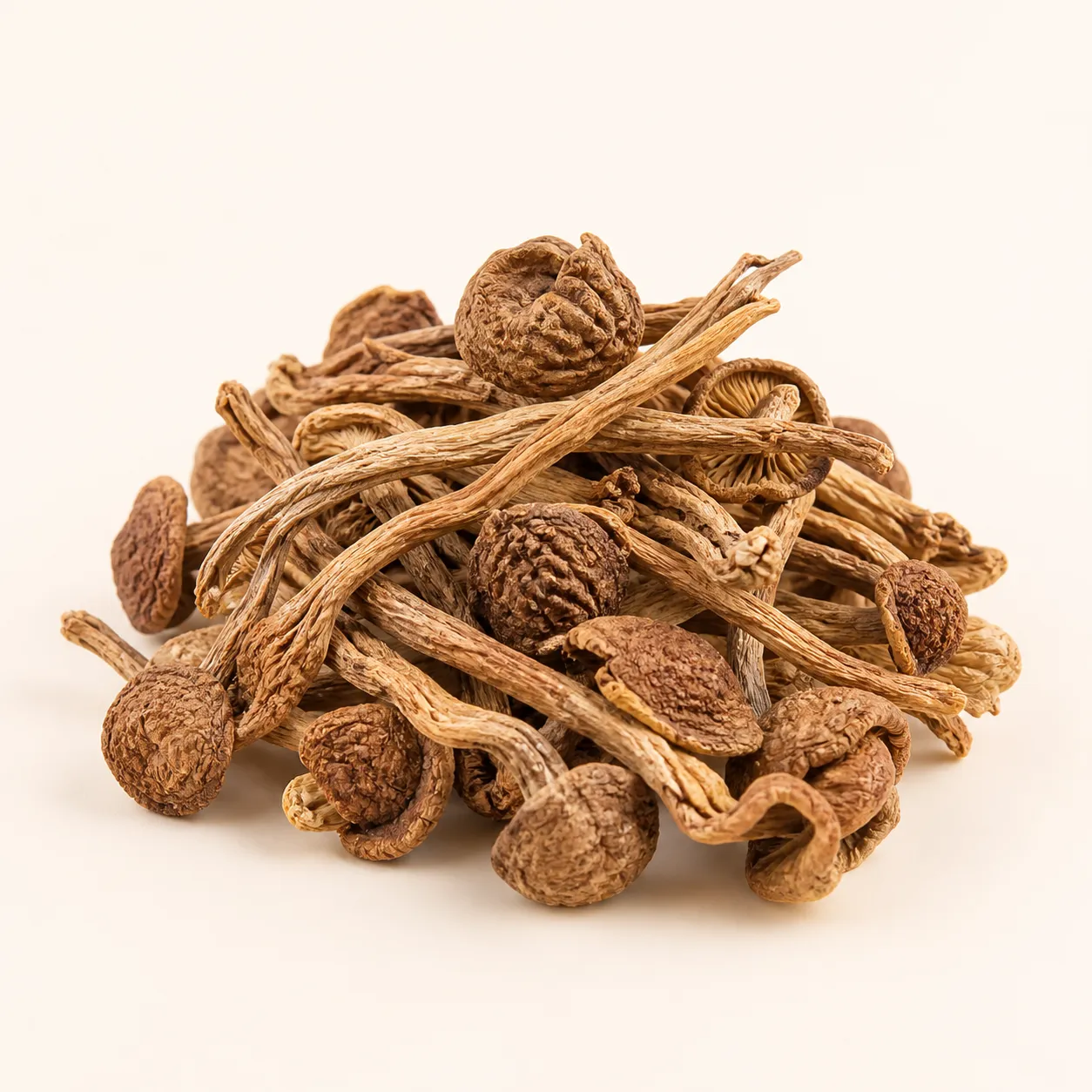
Dried cordyceps flower contributes a mild mushroom-like aroma, a light savoury note, golden-orange colour, and a fine, slightly chewy texture. It is more delicate than porcini and less meaty than shiitake, so aggressive smoke, excessive chilli, or a very salty stock can erase its identity.
Start by sorting the dry product and following the package directions. Rinse briefly if instructed; do not leave it soaking unattended for many hours. Some cooks add the rinsed strands directly to a simmering soup, while others give them a short controlled soak. The correct method depends on the cut and supplier specification. The Fungi Origin cordyceps flower product page provides the current product format, while the broader cordyceps flower cooking guide explains basic preparation.
Use a moderate amount in the first test batch. Too little disappears; too much can crowd the bowl and make the texture repetitive. Record dry weight, broth volume, addition time, simmer time, and final portions. That note is more useful than relying on a handful that changes with every cook.
Pairing 1 and 2: chicken or lean pork
Chicken gives cordyceps flower a familiar, gently savoury base. Bone-in chicken produces a fuller broth; boneless thigh gives richer meat; breast remains lighter but can dry out if simmered too long. Blanching is optional and depends on the desired clarity and kitchen method. Skim the broth, add ginger or scallion sparingly, and introduce cordyceps flower late enough that its colour and texture remain recognizable.
For a clean family-style version, combine chicken, ginger, cordyceps flower, and a mildly sweet vegetable such as corn or carrot. Season near the end after reduction has concentrated the broth. If using prepared stock, check its sodium before adding soy sauce or salt.
Lean pork creates a rounder, subtly sweet soup without the intensity of smoked or cured meat. Pork tenderloin slices suit a shorter soup; meaty bones or ribs require a longer base-cooking stage. Build and skim the pork broth first, then add the cordyceps flower according to its needed cooking time. This protects the thin strands from an unnecessarily long boil.
For both proteins, follow safe minimum internal temperatures and prevent cross-contamination between raw meat and ready-to-eat garnishes. Soup appearance cannot prove that meat is safely cooked; use the kitchen’s validated thermometer procedure.
Pairing 3 and 4: tofu or a mushroom blend
Tofu is the simplest plant-based partner because it absorbs broth while leaving room for cordyceps flower. Firm tofu holds cubes in a simmering soup; soft tofu creates a delicate texture but should be stirred gently. A vegetable or kombu-based broth, napa cabbage, ginger, and a small amount of white pepper make a restrained combination. Verify that the broth and seasoning are suitable if the menu is represented as vegetarian or vegan.
Add tofu after the broth is seasoned lightly and simmer it gently. Cordyceps flower can enter earlier if it needs more time. Finish with scallion or cilantro only if the fresh herb will not dominate the bowl. For restaurant service, test whether tofu releases water during holding and adjust the broth before setting the final salt level.
A mushroom blend adds savoury depth, but one mushroom should lead and the others should support it. Shiitake brings a deeper dried-mushroom aroma; oyster mushroom is gentler; black fungus contributes crunch rather than a strong broth flavour. A practical blend might use cordyceps flower for colour, a modest quantity of shiitake for stock depth, and a few pieces of black fungus for contrast.
Prepare each dried mushroom according to its own thickness and safety needs instead of soaking everything in one container for the same duration. Strain useful soaking liquid only when the ingredient is sound and the preparation method permits it. The guide to cordyceps flower soup and hot pot offers additional service formats.
Pairing 5 to 7: corn, winter melon, and restrained sweetness
Corn or carrot reinforces the mild sweetness of cordyceps flower and makes a soup broadly approachable. Corn rounds work well in chicken or pork broth; kernels suit a quicker tofu soup. Carrot adds colour, so use it deliberately rather than filling the bowl with too many orange ingredients. Add these vegetables early enough to soften and flavour the broth.
Winter melon gives a clean, light-bodied result. Its subtle flavour suits chicken, lean pork, or tofu, while its translucent appearance contrasts with the orange strands. Cut pieces evenly so they finish together. Because winter melon releases water, wait until the soup reaches its final volume before making the last salt adjustment.
Red dates and goji berries can add gentle fruit sweetness, but they should be accents rather than a health promise. Split red dates release flavour more quickly; whole dates keep the broth clearer. Goji berries soften fast and can be added later so they retain shape and colour. Fungi Origin carries Ningxia goji berries; check the current product details and declare the ingredient accurately on menus or prepared-food labels.
Avoid stacking corn, carrot, dates, and a large amount of goji in the same first test. The soup can become sweet and visually busy. Choose one main source of sweetness, taste the finished broth, and add a second accent only when it improves balance.
Control timing, seasoning, and restaurant consistency
A tested sequence protects both texture and repeatability. Start long-cooking bones or meat first. Add dense vegetables next, then ingredients that require a moderate simmer. Add delicate tofu, goji berries, leafy vegetables, and fresh garnish later. Cordyceps flower belongs where its particular size reaches a tender but distinct texture; determine that point with a timed batch.
Keep the soup at a controlled simmer rather than a violent rolling boil. Taste before adding salt because stocks, cured ingredients, and reduction can supply more sodium than expected. Light soy sauce, white pepper, ginger, and scallion can support the broth, but add them one at a time and record the quantity.
For foodservice, write the recipe in weights: dry cordyceps flower per batch, broth volume, edible protein weight, vegetable weight, cooking sequence, finished yield, holding limit, and portion size. Recheck the recipe when the product lot or cut changes. A consistent recipe makes purchasing and cost comparison much more reliable.
Cool leftovers promptly in shallow containers and refrigerate them according to the operation’s food-safety plan. Health Canada’s leftover safety guidance advises discarding cooked food left at room temperature for more than two hours. Do not repeatedly cool and reheat a service pot; discard food when time-temperature control is uncertain.
Frequently asked questions
What meat goes best with cordyceps flower soup?
Chicken is the most neutral choice, while lean pork gives a slightly rounder and sweeter broth. Neither is universally better. Choose chicken for a lighter profile and pork for more body, then control seasoning so the cordyceps flower remains noticeable.
Can cordyceps flower soup be vegetarian?
Yes. Use a verified vegetable or kombu broth with tofu, napa cabbage, corn, winter melon, or a measured mushroom blend. Confirm that stocks, sauces, and garnishes contain no animal ingredients before describing the dish as vegetarian or vegan.
When should dried cordyceps flower be added to soup?
There is no single time for every cut and product. Follow the package directions and test a weighed batch. Add it early enough to become tender, but not automatically at the beginning of a long bone-broth cook. Record the successful timing for future batches.
Start with one clear flavour direction
Choose a mild protein or tofu, one vegetable direction, and one restrained accent. Then test cordyceps flower by weight and record the finished yield, texture, and seasoning. For current packaging, wholesale availability, or help matching the ingredient to a soup program, contact Fungi Origin with your menu concept and expected volume.
Shop this product
Buy cordyceps flower wholesale
Stocked in Ontario. Free GTA delivery over $350 CAD; courier shipping across Canada and to the US.
Wholesale
Dried Specialty Goods
Cordyceps Flower
Quality dried cordyceps flower suitable for soups, restaurants, and bulk resale.
Wholesale price
$15.62/lb
$34.43/kg
Market reference
Approx. $57–108/kg
Need wholesale support?
Contact Fungi Origin for pricing, product inspection, pickup, GTA delivery, or courier shipping across Canada and the US for bulk dried mushroom orders.
Contact Us