Morel Mushroom
Dried Morel Mushrooms for Fine Dining Restaurants in Canada
Sourcing dried morels for fine dining — grade specs, traceability, plate-ready uniformity, and pre-season contracting. Built for executive chefs.
By Editorial Team
Food sourcing and kitchen operations specialists covering ingredient procurement, storage science, and commercial kitchen efficiency across Canada.
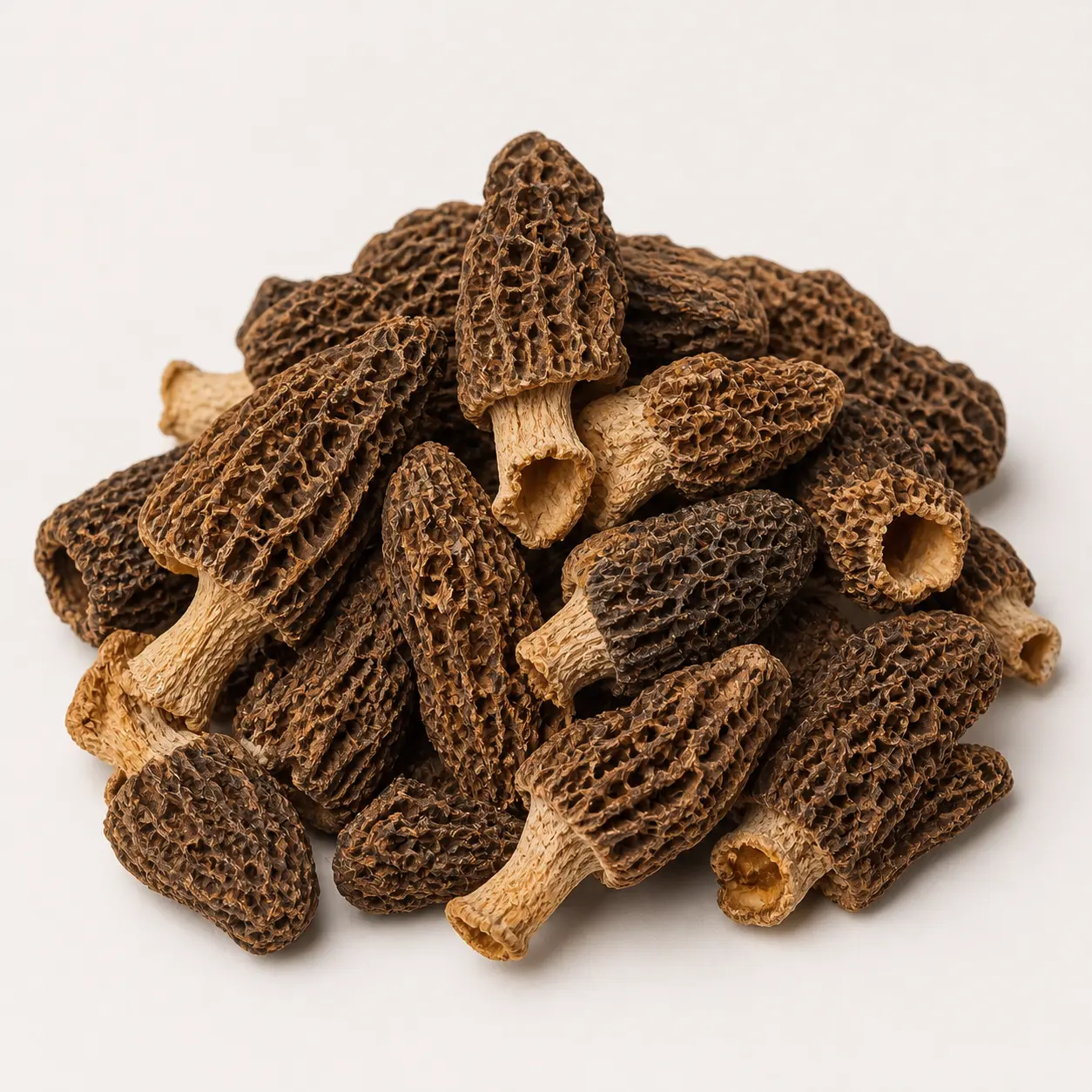
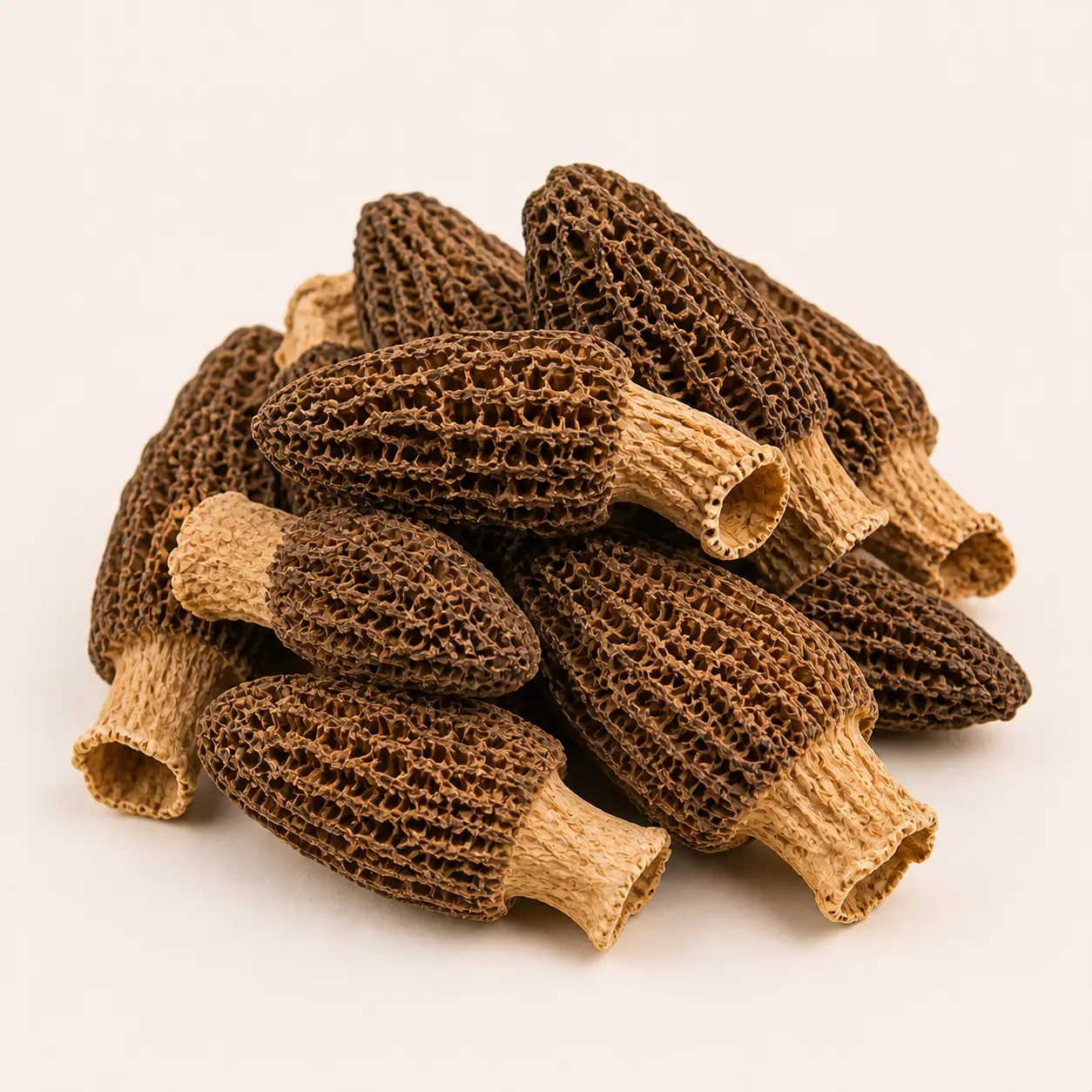
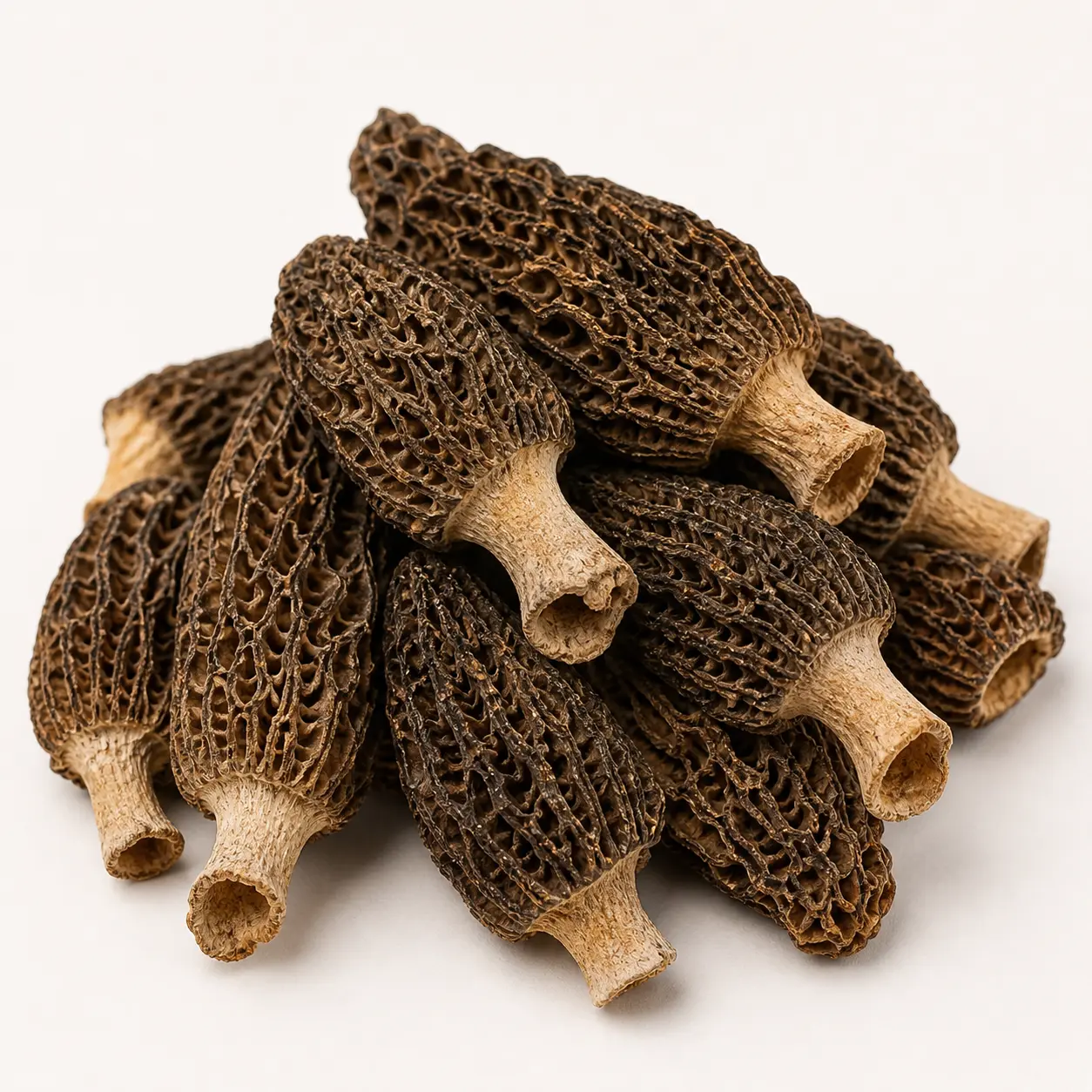
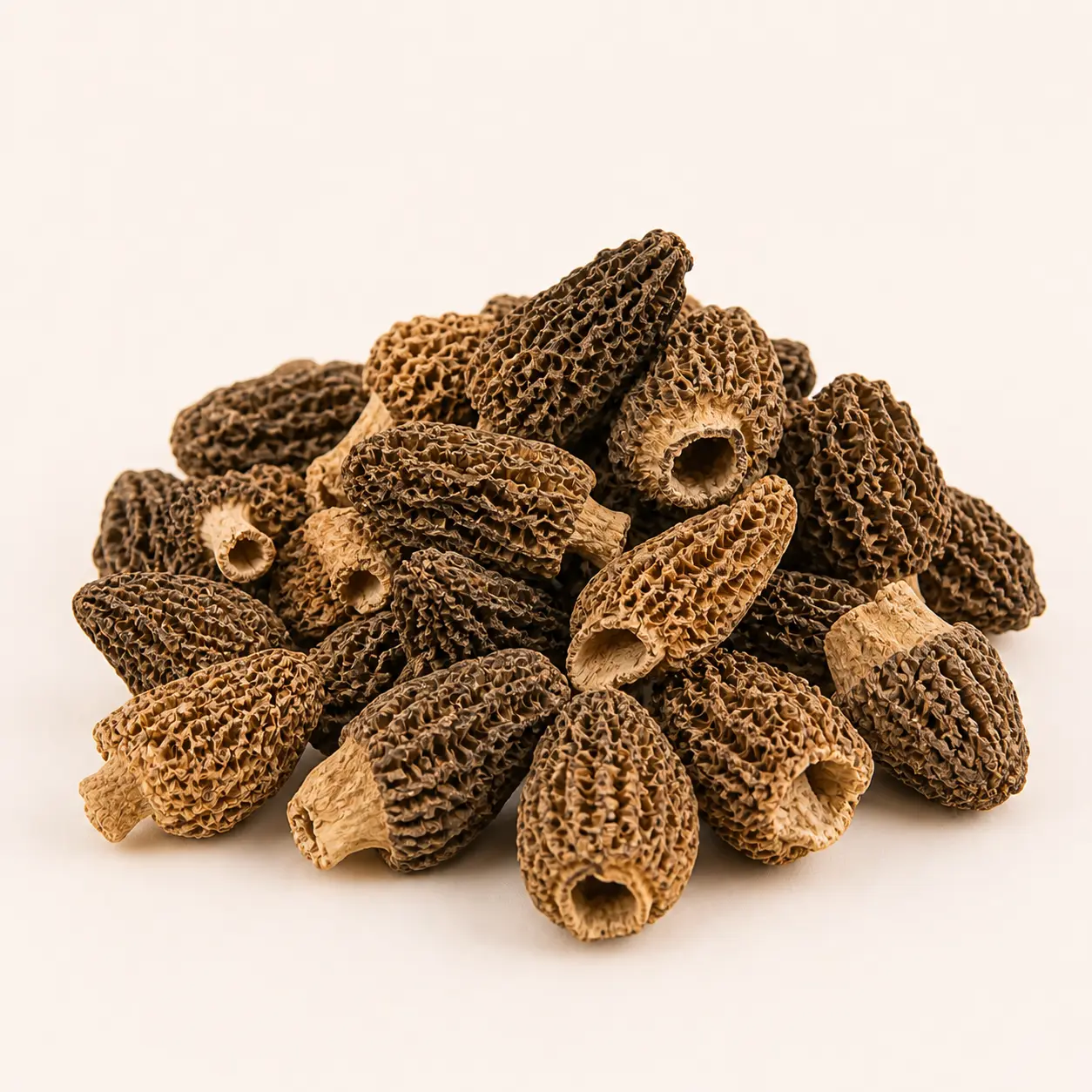
For fine dining operations, dried morels aren't a routine supply item — they're a signature ingredient that anchors tasting menus, defines spring features, and contributes meaningfully to the guest experience and the kitchen's reputation. The sourcing decision deserves more rigor than a typical produce SKU, and the right supplier looks materially different from a broadline distributor. Dried morel mushrooms for fine dining restaurants are a category of premium-grade Morchella mushrooms sourced with full origin traceability, plate-ready uniformity, and pre-season contracting — distinct from commodity-grade dried mushrooms in spec, price, and supplier relationship.
Match Grade Specs to Tasting-Menu Standards
Fine dining kitchens have stricter grade requirements than casual operations, and understanding the spec language helps the chef communicate clearly with suppliers. The standard fine-dining grade specification for dried morels combines size, shape, color, and quality consistency into a single package.
Typical fine-dining grade specs:
- Size grade Large or Jumbo — 5cm+ for whole-cap plate features
- Color uniformity — deep brown to near-black with no gray spotting
- Cap integrity — over 95% whole caps, minimal stem trim
- Moisture content — under 10% (tighter than the 12% commodity threshold)
- Origin — single-region, single-harvest where possible
- Cap-to-stem ratio — caps make up the bulk of the product weight
These specs cost more — typically 15–30% above standard wholesale Grade A — but they translate directly to plate consistency, reduced sorting labor, and higher guest satisfaction with the morel feature. According to a 2024 fine-dining ingredient cost-of-quality survey, kitchens using premium-spec morels reported 38% less prep waste than those using standard wholesale grade.
Demand Origin Traceability and Documentation
Fine dining operates on storytelling. The provenance of an ingredient is part of the menu — guests reading "Yunnan-foraged morels" or "Pacific Northwest morels" expect those claims to be verifiable. A supplier serving fine dining accounts must provide documentation that supports menu storytelling and survives sommelier-grade scrutiny.
Documentation that should accompany every fine-dining shipment:
- Specific foraging region beyond country (Yunnan vs. Sichuan, Oregon vs. BC interior)
- Harvest dates or seasonal window
- Forager group or cooperative when known
- Drying method and processing facility
- Lot-level grade certificate
- Importer of record with food-safety certifications
Fungi Origin maintains documentation chain-of-custody for fine-dining accounts that supports menu verification and any food-writer or guest-curiosity inquiries that follow. This kind of paperwork is non-trivial to assemble; suppliers without it shouldn't claim fine-dining service capability.
Ensure Plate-Ready Uniformity for Service Speed
Fine dining service is precise. A grade lot with significant size variation slows the line during service, forces additional sorting per plate, and creates inconsistent guest experiences. Plate-ready uniformity — caps that are visually similar enough to plate predictably — matters more in fine dining than in any other channel.
What plate-ready uniformity looks like:
- Size variation under ±15% within a grade lot
- Color consistency across all caps in the lot
- Predictable rehydration time (uniform moisture content)
- Stem trim consistency — minimal jagged edges or inconsistent cuts
- Dust and debris well below 1%
For a chef plating 60 covers a night with morels featured on three of those covers, the difference between uniform and inconsistent product is roughly 12–15 minutes of additional prep per service — meaningful in a fine dining kitchen running on tight choreography. A 2023 culinary operations study found that ingredient consistency was the third-highest correlated factor with line efficiency, behind only mise-en-place organization and protein consistency.
Build a Pre-Season Contract Program
Fine dining purchasing benefits more than any other segment from pre-season contracting. The reasons: high-value menu features can't tolerate spot-market unavailability, premium grades sell out in tight years, and the executive chef's reputation rides on consistent execution across the spring/summer feature season.
A pre-season morel contract program should include:
- Grade and size lock for the contracted volume
- Pricing lock at a discount to spot-market pricing
- Delivery schedule matching the menu calendar (often April–September)
- Substitution clause in case of harvest failure (Pacific Northwest fallback to Yunnan, etc.)
- Right of first refusal on premium jumbo grades when available
- Origin guarantees if origin appears on the menu
Most direct importers — Fungi Origin included — offer pre-season contracting to fine-dining accounts at meaningful discounts versus spot pricing. The contract is typically signed in October–December for the following May–September feature season, which gives the importer planning visibility and the chef pricing certainty for the menu cost-out.
Cultivate the Supplier Relationship
The transactional supplier model — order, deliver, repeat — underserves fine dining. The kitchens running the most successful morel programs treat their direct importer as a strategic partner, sharing menu plans, requesting input on grade selection, and inviting tastings of incoming lots before committing to large contracts.
What an active supplier relationship looks like:
- Pre-purchase aroma and visual sampling of new harvest lots
- Introductions to other premium ingredients (truffle, porcini, chanterelles)
- Menu-level grade recommendations based on dish concept
- Off-menu access to scarce extra-large or jumbo lots
- Inventory planning support based on the kitchen's calendar
- Direct chef-to-importer communication rather than account-manager intermediation
This kind of relationship doesn't develop with broadline distributors; it develops with specialized importers serving fine dining as a primary segment. The annual relationship cost is a few hours of conversation per quarter, and the return is measured in menu quality, supply reliability, and food-cost discipline.
Frequently Asked Questions
What grade of dried morels do top fine dining restaurants in Canada use?
Most top Canadian fine dining restaurants use Large or Jumbo Grade A whole-cap morels for visible plate features and Medium Grade A for sauce and risotto applications. Some operations also stock pieces grade for stocks and reductions. The blended approach controls food cost while maintaining plate quality where guests actually see the mushroom.
How many kilograms of dried morels does a fine dining restaurant use per year?
A typical Canadian fine dining restaurant featuring dried morels for 4–6 months annually uses 8–25kg of dried morels per year, depending on portion size and menu prevalence. Tasting-menu restaurants on the higher end of the range; à la carte restaurants on the lower. Pre-season contracting typically locks in 60–80% of forecast annual volume.
Can a fine dining restaurant get exclusive grade lots from a supplier?
Yes, established fine dining accounts can negotiate exclusive or first-look access to scarce premium lots — particularly Jumbo grades and single-region lots — through pre-season contracts and committed-volume relationships. Fungi Origin offers first-right-of-refusal arrangements to fine-dining accounts on Pacific Northwest and select Yunnan jumbo lots when available.
Source Like a Fine Dining Operator
Fine dining sourcing for dried morels is a distinct discipline — premium grade specs, full traceability, plate-ready uniformity, pre-season contracting, and an active supplier relationship. The kitchens that get this right run smoother service lines, deliver more consistent guest experiences, and maintain better food cost control than peers who treat morels as a routine purchase.
Contact the Fungi Origin fine-dining team for grade-spec consultation, harvest-lot tastings, and pre-season contract pricing structured around your menu calendar.
Shop this product
Buy morel mushroom small wholesale
Stocked in Ontario. Free GTA delivery over $350 CAD; courier shipping across Canada and to the US.
Wholesale
Dried Wild Mushrooms
Morel Mushroom Small
Small-grade dried morel mushrooms with excellent wholesale value.
Wholesale price
$85.02/lb
$187.43/kg
Market reference
Approx. $419/kg
Need wholesale support?
Contact Fungi Origin for pricing, product inspection, pickup, GTA delivery, or courier shipping across Canada and the US for bulk dried mushroom orders.
Contact Us