Wholesale operations
How Restaurants Calculate Dried Mushroom Rehydration Yield
Use a controlled batch test to calculate hydration yield, usable cooked yield, trim loss, cost per usable kilogram, and portion cost for dried mushrooms.
By Editorial Team
Food sourcing and kitchen operations specialists covering ingredient procurement, storage science, and commercial kitchen efficiency across Canada.
Restaurants should calculate dried mushroom yield from their own received product, preparation method, and finished recipe. Weigh the dry sample, rehydrate it under controlled conditions, drain it for a fixed time, record trim, cook it by the actual recipe, and weigh the usable result. The most useful number is not the highest water gain; it is the cost and number of acceptable portions produced by a repeatable batch.
There is no honest universal “dried mushrooms make X times their weight” rule. Species, grade, thickness, stem content, drying, storage, soak temperature, draining, trimming, cooking, and the restaurant’s definition of usable product all change the answer.
Use four different yield and cost measures
Hydration yield ratio shows water uptake, not final menu value. Calculate it after a consistent drain:
`Hydration yield ratio = drained rehydrated weight ÷ dry starting weight`
If 5.00 kilograms of dry mushrooms become 22.00 kilograms after rehydration and a 10-minute standardized drain, the hydration yield is 22 ÷ 5 = 4.4. It may be written as 4.4:1. Record the drain method because surface water can inflate this result.
Trim yield shows how much hydrated product remains after hard bases, defects, or unsuitable fragments are removed.
`Trim yield percentage = trimmed hydrated weight ÷ drained rehydrated weight × 100`
If the 22.00 kilograms become 20.50 kilograms after trimming, trim yield is 93.2 percent and trim loss is 6.8 percent. Keep routine recipe trimming separate from rejected material so procurement can see whether a lot met specification.
Usable cooked yield measures the ingredient in the condition that enters portions.
`Usable yield ratio = usable cooked weight ÷ dry starting weight`
If cooking produces 18.50 kilograms of accepted mushrooms, the usable ratio is 18.5 ÷ 5 = 3.7:1. This is lower than hydration yield because trimming and cooking changed the batch. It is normally more useful for menu costing.
Portion yield connects the batch to sales.
`Theoretical portions = usable cooked weight ÷ mushroom weight per portion`
At 120 grams of cooked mushroom per serving, 18.50 kilograms provides 154 full theoretical portions, with 20 grams remaining. Actual portions may be lower because of pan residue, ladle variation, tasting, and service waste, so verify the number during real service.
Run a test that a second cook can repeat
Control every variable that can add or remove water. Select a representative sample from across the bag or case rather than choosing only attractive pieces. A practical commercial test might use 500 grams to 1 kilogram, while a heterogeneous whole-product case may need a larger sample.
Record supplier, product name, lot code, grade, cut, dry sample weight, water volume, starting water temperature, soak start and finish, refrigeration status, agitation, and any water change. Then drain in the same colander for the same number of minutes without pressing one sample harder than another.
Weigh the hydrated batch, then create separate weights for usable material, normal recipe trim, and rejected material. Record prep labour time. Cook the usable mushrooms with the real equipment, batch size, sauce, temperature, and duration. If sauce is included in the final weight, say so; otherwise comparisons between a dry stir-fry and a sauce-heavy braise will be meaningless.
Finally, cool or hold the batch according to the restaurant food-safety plan and weigh it at the same defined stage every time. A number measured straight from the pan cannot be compared fairly with another measured after 30 minutes of draining.
The guide to smarter dried-mushroom inventory explains how this batch test fits purchasing and storage decisions.
Convert yield into usable cost and portion cost
Start with the invoiced dry-product cost, then divide by accepted usable output.
`Dry mushroom cost per usable kg = dry batch purchase cost ÷ usable cooked kilograms`
Suppose the 5-kilogram dry batch costs $28 per kilogram. Its dry purchase cost is $140. If usable cooked yield is 18.50 kilograms, dry-mushroom cost per usable kilogram is $140 ÷ 18.5 = $7.57. At a 120-gram portion, dry-mushroom ingredient cost is about $0.91.
That is not the total recipe cost. Add freight if it is not included, receiving loss, soaking and trimming labour, water and energy where material, sauce and companion ingredients, cooking loss, packaging, and service waste. For a fully loaded operational comparison, use:
`Operational batch cost = purchase + freight + direct prep labour + other recipe inputs + measured waste`
`Operational cost per accepted portion = operational batch cost ÷ actual accepted portions`
Keep the assumptions visible. A finance sheet that silently substitutes theoretical portions for actual portions can understate cost. Review the restaurant food-waste and margin guide for related controls.
Compare suppliers by specification, not one impressive ratio
A higher hydration ratio can be worse if it comes with weak texture, excessive surface water, trim, or labour. Compare lots using the same protocol and score sensory acceptance alongside weights. A mushroom that absorbs less water but keeps a clean aroma and firm, recipe-appropriate texture may deliver more sellable portions.
Build a scorecard with dry price, freight, cut distribution, soak time, drained hydration ratio, trim percentage, rejected percentage, prep minutes, usable cooked ratio, accepted portions, and cost per accepted portion. Add notes for flavour, texture, appearance, and performance during holding.
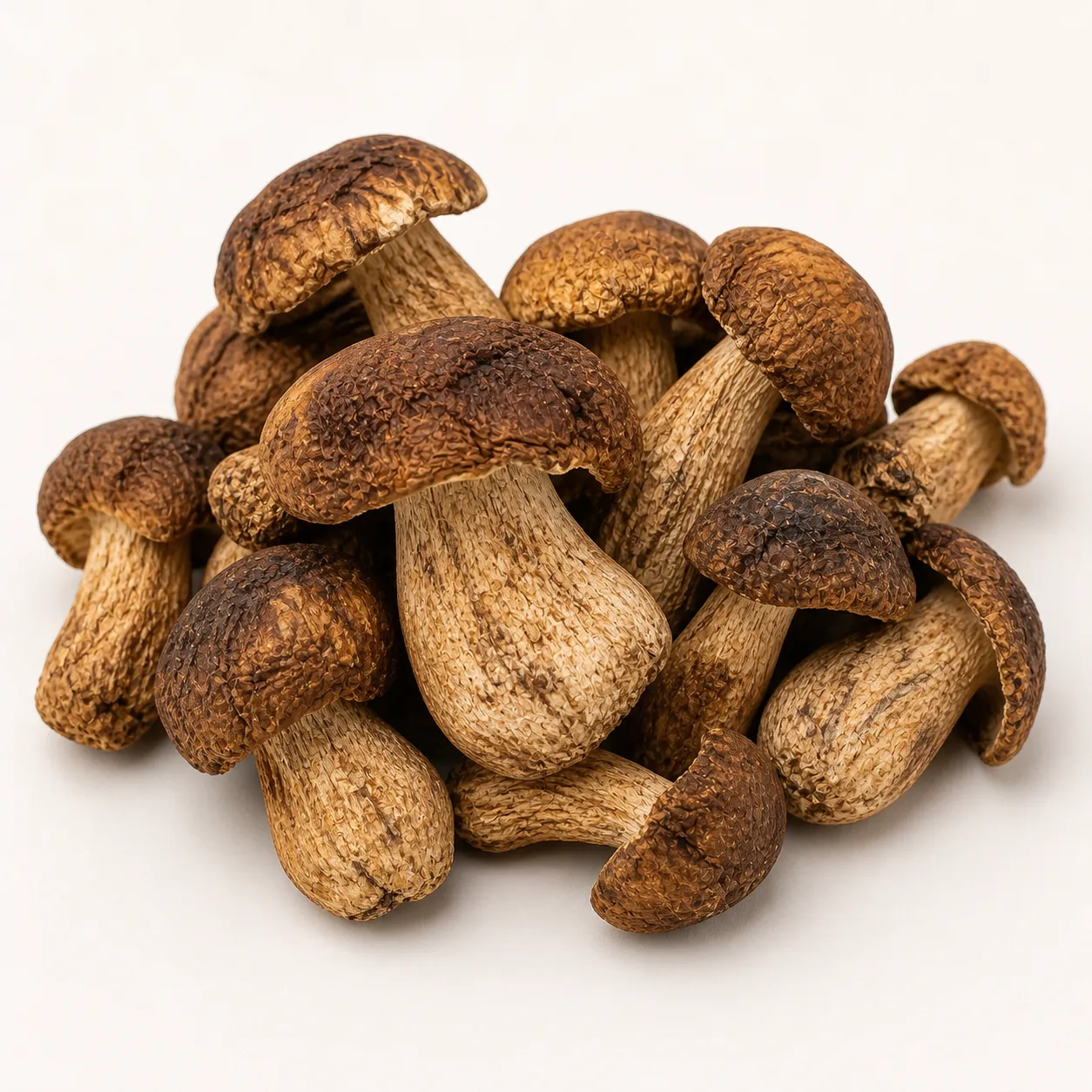
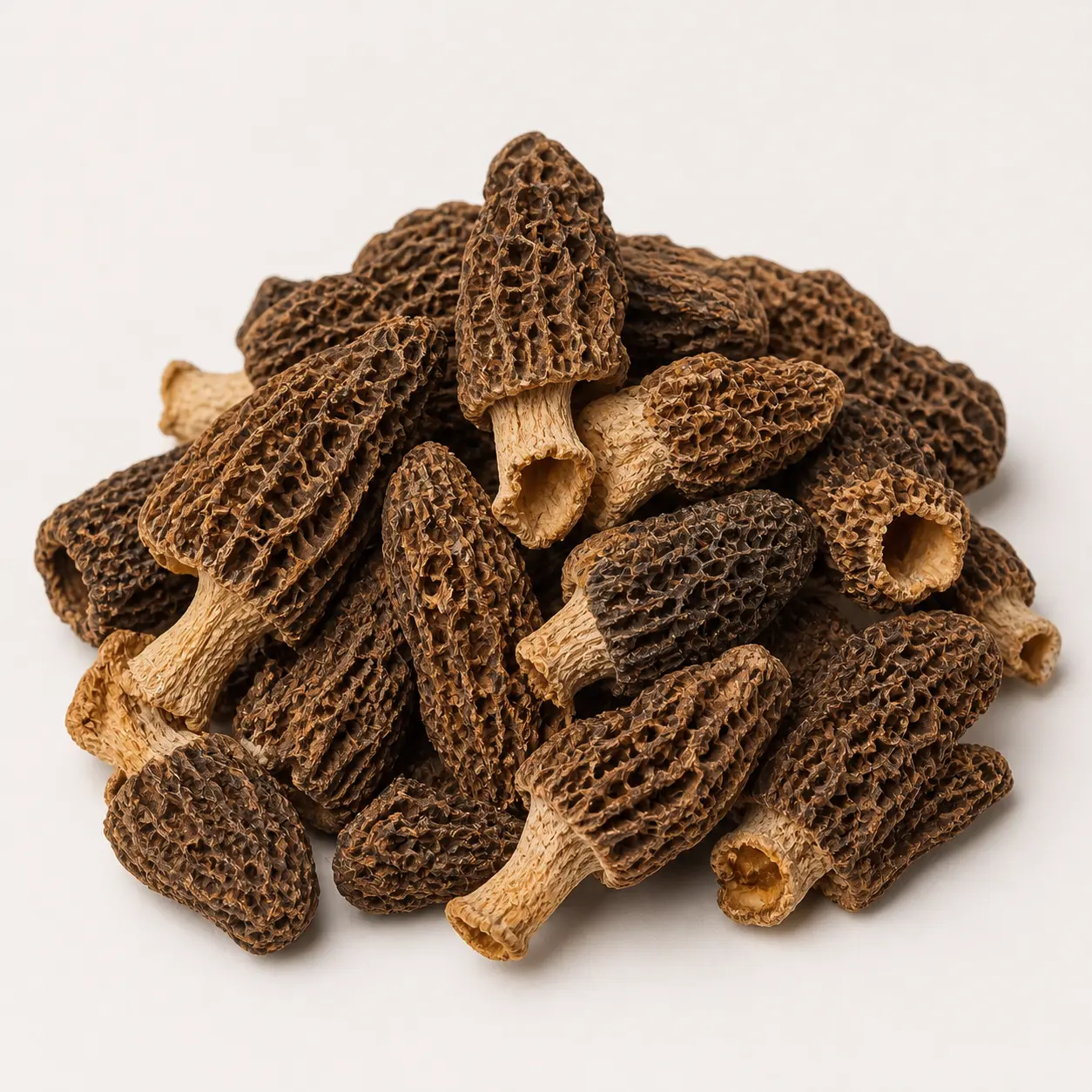
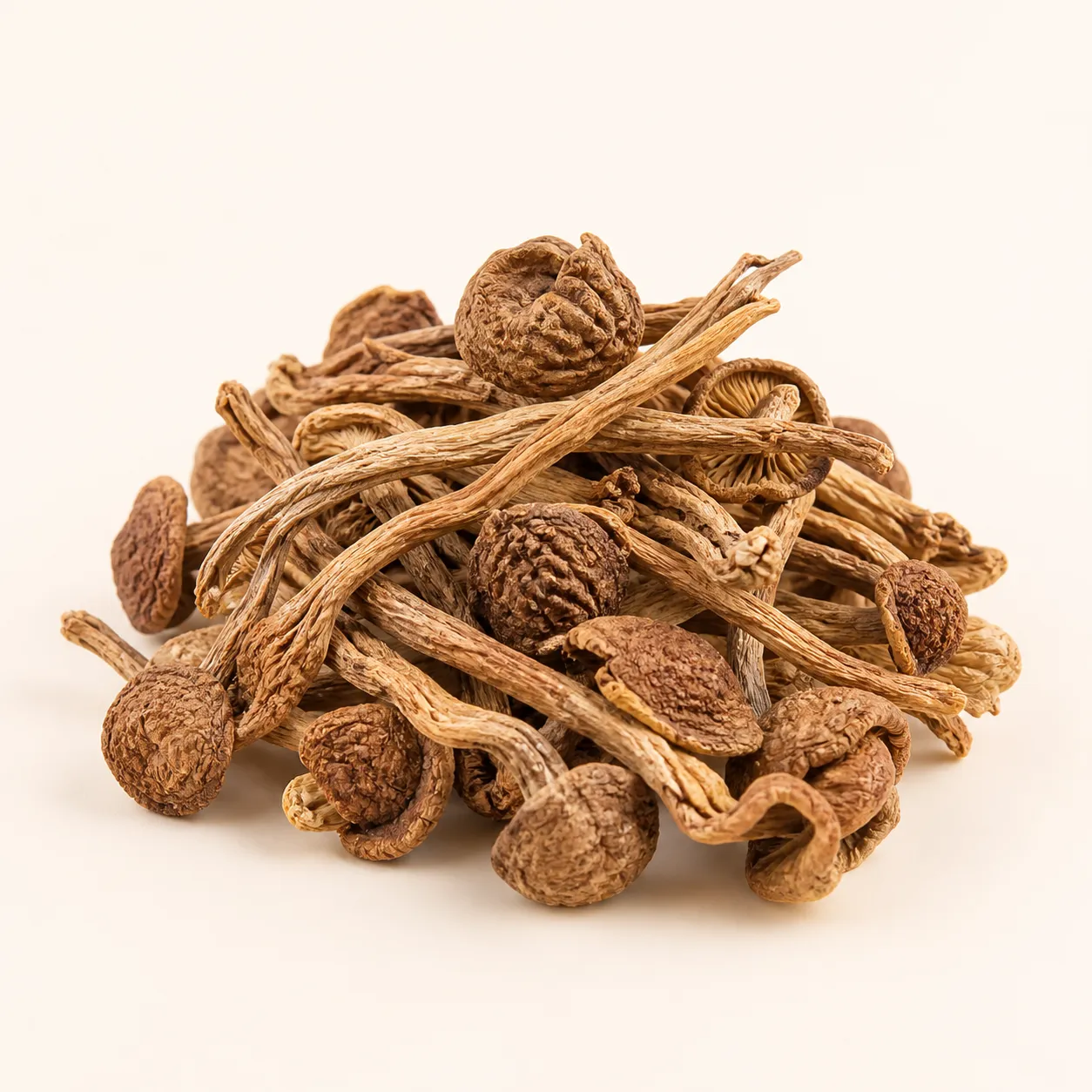
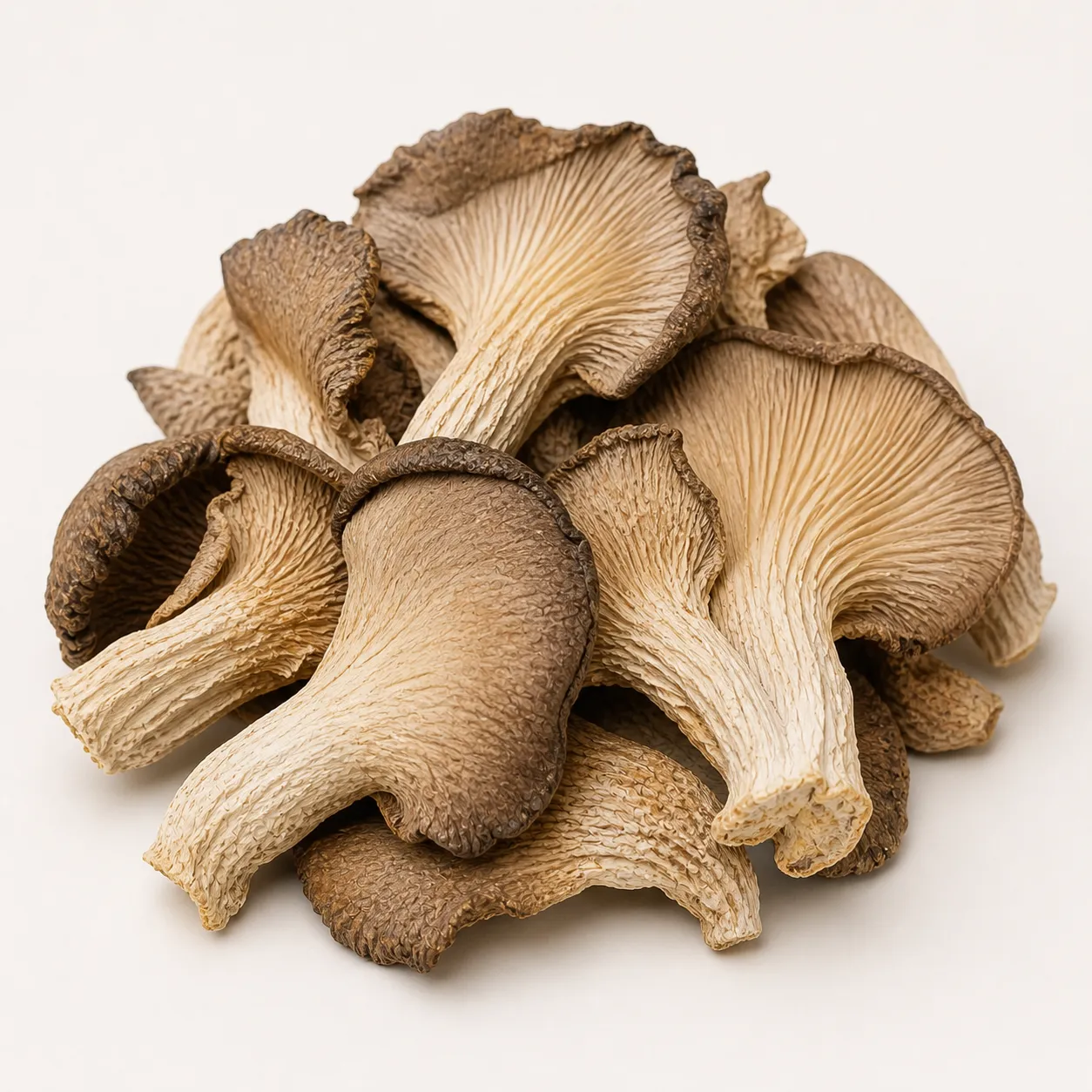
Do not compare different species as if they were interchangeable commodities. Wood ear may be purchased for crunch, porcini for broth aroma, shiitake for savoury depth, and oyster mushroom for a meatier bite. Each needs a menu-specific acceptance standard.
Traceability belongs in the sheet. The Canadian Food Inspection Agency explains that a lot code supports traceability. Recording it allows a restaurant to investigate a shift in yield instead of blaming the entire product category.
Before buying, use the questions for a dried mushroom wholesaler to request a current specification, case format, and representative sample.
Turn the result into an ordering forecast
Forecast from accepted portions sold, then allow for a measured safety margin. If the tested case produces 154 accepted portions and a restaurant expects to sell 280 portions per month, simple demand is 280 ÷ 154 = 1.82 cases. The buyer may need two cases, but ordering frequency, lead time, minimum quantity, unopened shelf life, storage space, and service risk determine the final policy.
Do not automatically round far above demand. Excess inventory can increase storage exposure and tie up cash. A reasonable par level combines average use during lead time, a documented buffer for variability, and any confirmed event demand.
Re-test when the species, grade, supplier, cut, pack size, recipe, portion, equipment, or drain method changes. Also re-test if a new lot performs visibly differently. Keep the old result so the team can see whether the change comes from price, usable yield, labour, or portioning.
Wholesale terms matter alongside yield. Review the Fungi Origin wholesale rules for ordering context, then request current product-specific information rather than treating an old test as a permanent guarantee.
Frequently asked questions
What is a good dried mushroom rehydration ratio?
There is no universal good ratio. A useful result is one produced by a documented method that gives the required flavour, texture, appearance, safety, and accepted portions. Compare the same product and recipe over time rather than chasing the largest water weight.
Should soaking water count in mushroom yield?
Not as mushroom weight. Weigh the mushrooms after a defined drain. If safe, suitable soaking liquid is used in a sauce or broth, cost it as part of that recipe and define its volume separately. Do not let clinging surface water inflate the mushroom yield.
How large should a restaurant yield test be?
Use enough product to represent the variation in the case and the real workflow. A 500-gram or 1-kilogram test may suit a uniform cut; mixed whole pieces may require more. Repeat the test before relying on a single result for a major contract.
Cost the usable portion, not the dry kilogram alone
A controlled yield test turns a supplier quote into an operational number the chef and buyer can use together. Record the lot, method, trim, labour, cooked output, and accepted portions. To request current specifications or plan a representative product test, contact Fungi Origin with the species, monthly use, dish, and pack requirements.
Need wholesale support?
Contact Fungi Origin for pricing, product inspection, pickup, GTA delivery, or courier shipping across Canada and the US for bulk dried mushroom orders.
Contact Us