Porcini Mushroom
Porcini vs Morel Mushrooms: Which to Buy and When
Side-by-side: porcini vs morel on flavor, price, season, and best uses. The honest comparison Canadian buyers actually need before stocking either.
By Editorial Team
Food sourcing and kitchen operations specialists covering ingredient procurement, storage science, and commercial kitchen efficiency across Canada.
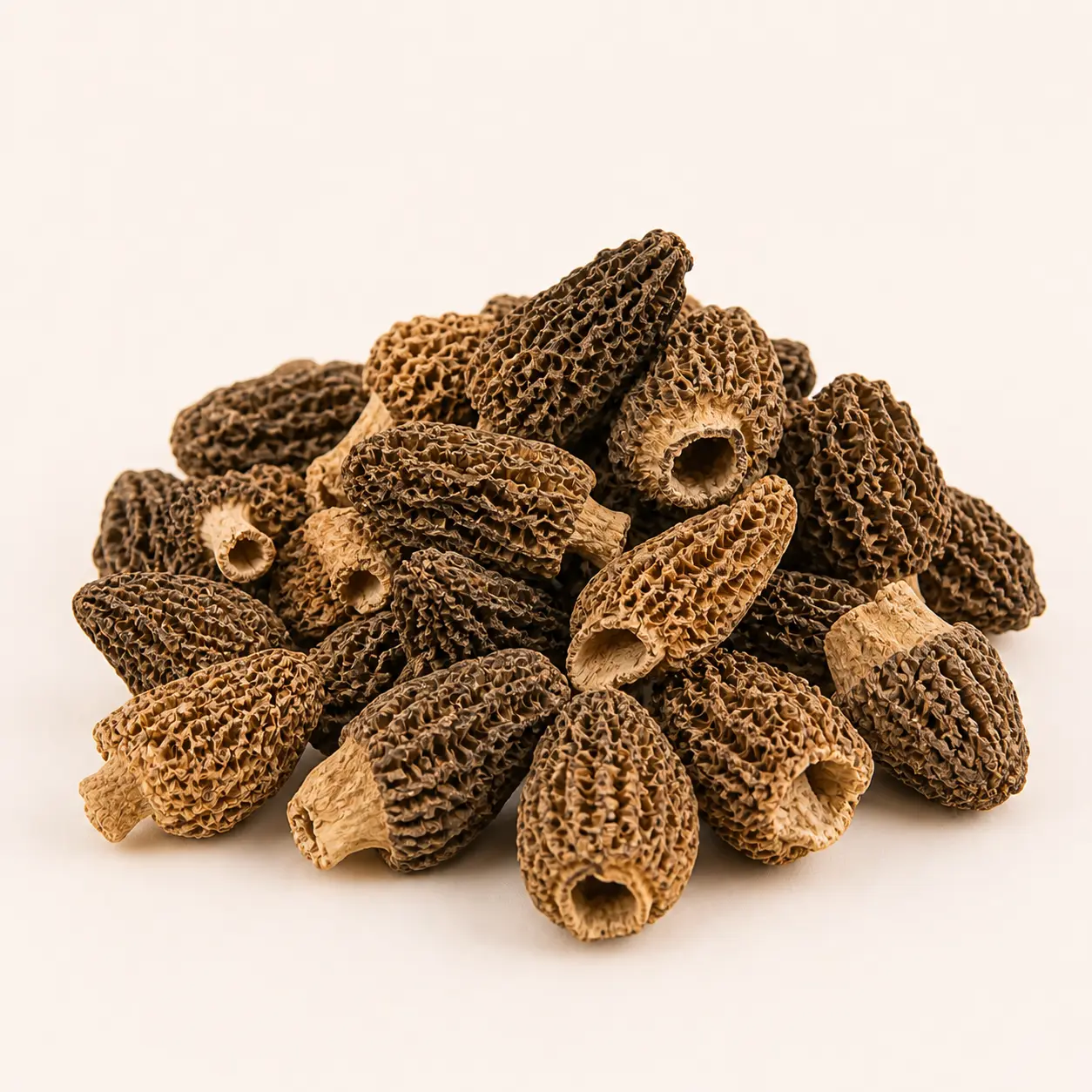
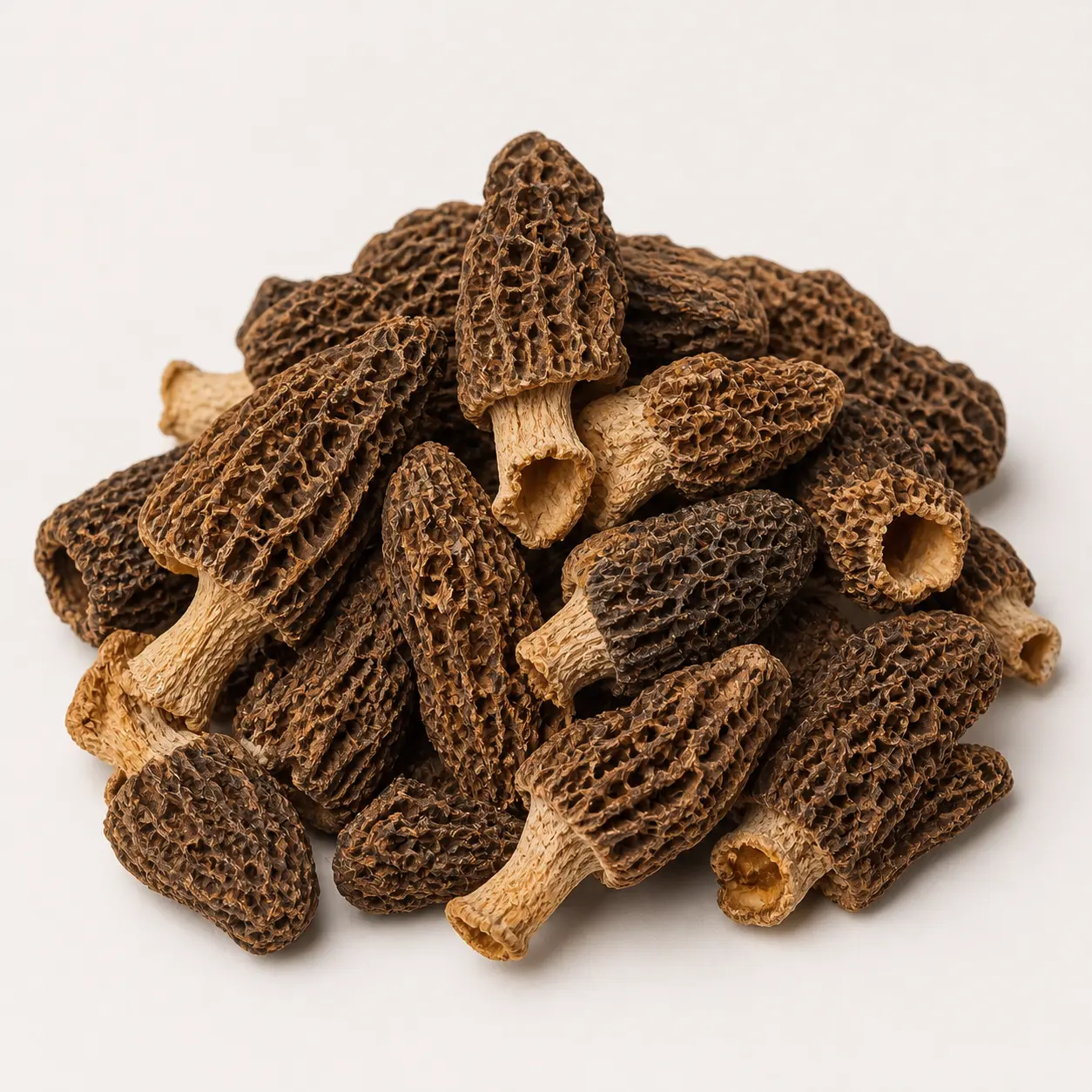
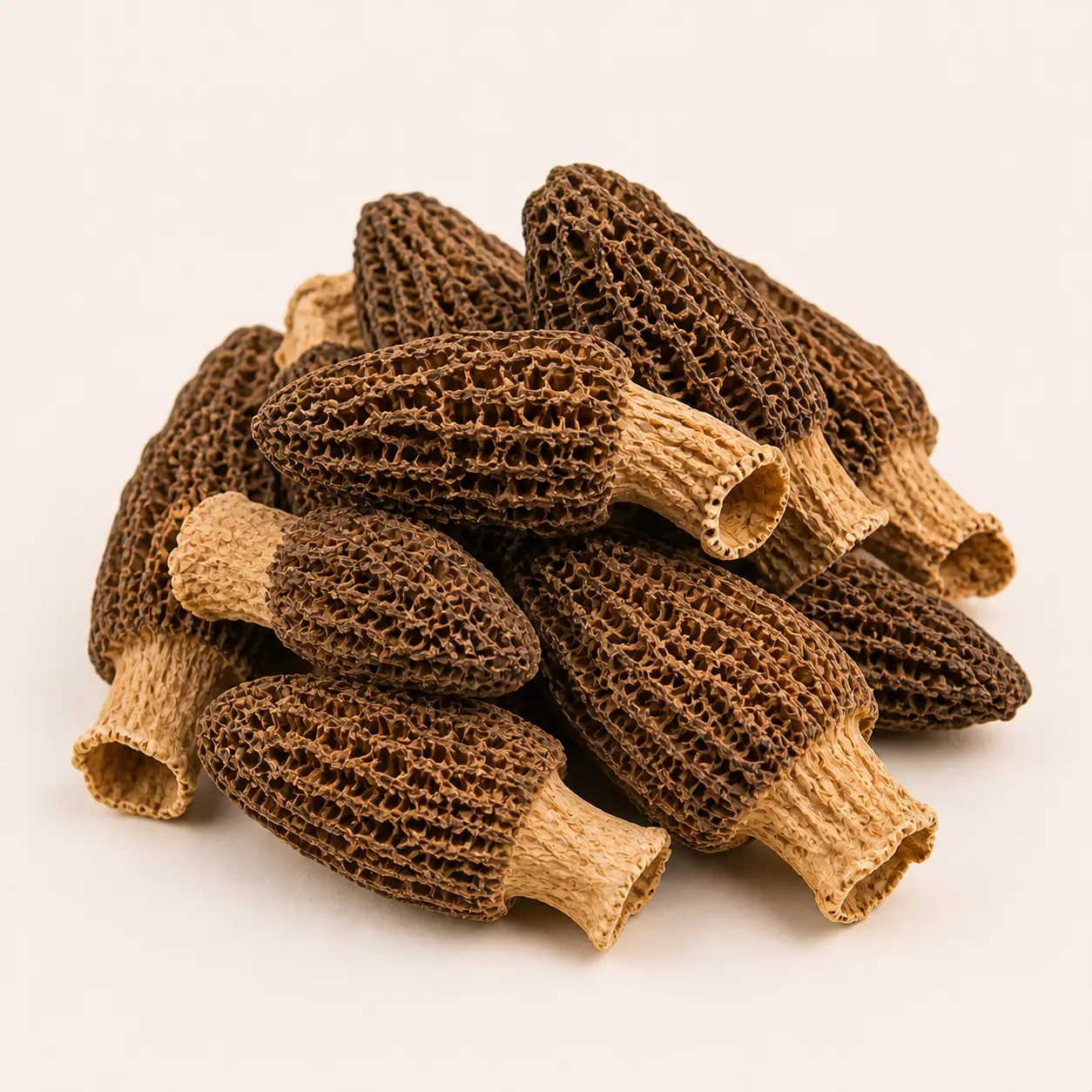
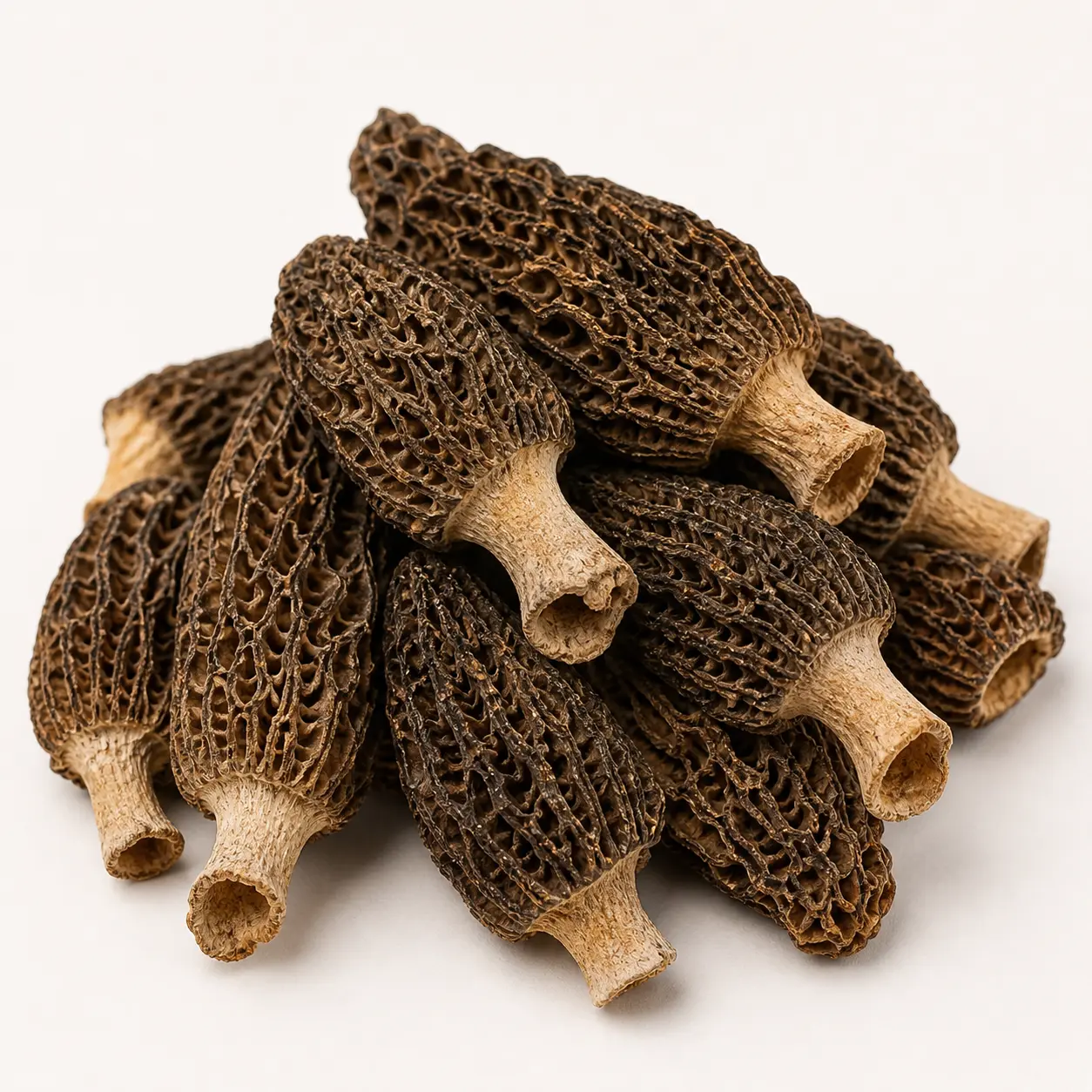
Porcini and morel are the two most prestigious dried mushrooms on the global market, and they're routinely treated as interchangeable when they shouldn't be. The two mushrooms have meaningfully different flavor profiles, cooking behaviors, sourcing economics, and ideal applications. Choosing wrong wastes money and underdelivers on the dish. According to 2024 Canadian specialty foods data, porcini and morel together account for roughly 60% of premium dried mushroom value imported into Canada — but most buyers stock only one. Porcini mushrooms are wild summer-and-fall mushrooms with dense meaty texture and rich beefy umami, while morels are spring mushrooms with hollow honeycomb caps and a smokier, leaner, nuttier flavor — each suited to different culinary applications and price points.
Compare the Flavor Profiles Directly
Both mushrooms deliver intense flavors when dried, but the character of those flavors diverges sharply. Porcini leans heavy, savory, almost cheesy on the finish, with a deep umami that lingers on the palate. Morels lean cleaner, smokier, and more nuanced, with subtle nutty undertones that don't overwhelm delicate ingredients.
Side-by-side flavor descriptors:
- Porcini — beefy, sweet-earthy, dense umami, almost cocoa-like in premium lots
- Morels — earthy, nutty, smoky, slightly leathery, lean umami
In application, porcini delivers a "heavier" plate impression — rich, satisfying, hearty. Morels deliver a more elegant, restrained plate — present but not dominant. A 2023 sensory study published in Food Chemistry found that dried porcini contains roughly 2.5x the free glutamate concentration of dried morels, which explains the differential umami impact.
For Canadian Italian and French restaurants, porcini is the obvious workhorse. For fine-dining tasting menus and white-tablecloth spring features, morels often win. Both carry their own distinctive identity, and neither substitutes cleanly for the other.
Examine Texture and Cooking Behavior
Texture differences are even more pronounced than flavor differences. Dried porcini rehydrates into a dense, meaty, firm texture that cuts and bites like a real mushroom — closer in mouthfeel to a portobello than a typical mushroom. Dried morels rehydrate into a tender, almost spongy texture with the distinctive honeycomb structure intact.
Texture and cooking implications:
- Porcini holds shape in long-cooked sauces and braises
- Porcini absorbs surrounding liquid rather than holding it on the surface
- Morels keep their cellular structure for up to 30 minutes of cooking
- Morels hold sauce visibly in their honeycomb texture
- Porcini doesn't stuff well; morels stuff beautifully
- Porcini in ragu breaks down into small fragments; morels keep shape
Texture often dictates the choice before flavor does. A risotto where mushrooms should be visible on the plate calls for sliced porcini or morel. A long-cooked beef braise where mushrooms melt into the sauce calls for porcini. Stuffed-cap presentations call for morel exclusively.
Compare Pricing, Seasonality, and Availability
Both are premium ingredients, but the pricing structures and supply patterns differ substantially. Porcini prices land roughly half of equivalent-grade morel. Porcini also has a longer foraging season and more abundant supply, making year-round inventory easier to maintain.
2025 Canadian wholesale pricing comparison:
- Dried porcini (Grade A whole) — CAD $115–$160/kg
- Dried morel (Grade A medium) — CAD $200–$280/kg
- Porcini pieces — CAD $70–$100/kg
- Morel pieces — CAD $130–$170/kg
For most operations buying 1–25kg per year, the porcini price advantage compounds significantly. A 10kg annual program in porcini saves CAD $850–$1,200 versus the equivalent morel volume — meaningful budget that can fund truffle, chanterelle, or specialty additions to the menu.
Seasonality also differs. Porcini foraging runs summer through fall (June–November), with peak Canadian inventory October–December. Morel foraging runs spring (March–June), with peak Canadian inventory July–September. The two mushrooms naturally complement each other on the inventory calendar — buy morels in late summer, porcini in late fall.
Match Each Mushroom to Its Best Applications
The most useful framework for choosing between porcini and morel is application matching. Each mushroom shines in specific dishes and falls flat in others.
Best porcini applications:
- Pasta sauces (cream, oil, tomato-based)
- Mushroom risotto with Italian aromatics
- Beef and game braises (osso buco, beef bourguignon)
- Demi-glace and sauce reduction enrichment
- Pizza toppings after rehydration
- Vegan umami-rich stews and soups
- Spice rubs (powder format)
Best morel applications:
- Delicate cream sauces with white wine
- Spring vegetable risottos (peas, asparagus, ramps)
- Stuffed plate features (foie gras, goat cheese)
- Egg-based dishes (omelets, custards)
- Light fish and seafood preparations
- Showcase tasting-menu courses
- Brown-butter sauces with chicken
A practical rule: if the dish leans hearty and umami-forward, porcini wins. If the dish leans delicate and uses dairy or wine as the primary medium, morel wins. The pricing gap means porcini also wins by default for any high-volume daily-use application.
Consider Stocking Both Strategically
Many Canadian restaurants and serious home cooks stock both porcini and morel, deploying each to its strength rather than picking one or the other. This approach manages food cost (porcini for daily-use, morel for showcase) while maximizing menu range.
Sample dual-stock approach for a Canadian fine-casual restaurant:
- 3kg of sliced dried porcini — daily pasta and risotto production
- 500g of porcini pieces — base sauces, ragus, stocks
- 200g of porcini powder — finishing dust and rubs
- 1kg of medium dried morels — spring feature dishes, chicken supreme dishes
- 300g of morel pieces — sauce work and reduction
The combined inventory at 2025 pricing runs CAD $700–$900 — modest against the menu impact of a full premium-mushroom program. According to 2024 Canadian foodservice purchasing data, restaurants stocking both porcini and morel reported 22% higher menu-item premium pricing on mushroom-featured dishes versus single-mushroom-stock peers.
Frequently Asked Questions
Which is better for beginners, porcini or morel?
Porcini is the better starting point for beginners. It's less expensive, more forgiving of preparation errors, easier to source, and pairs naturally with familiar dishes (pasta, risotto, beef stews). Morels demand more careful rehydration technique and pair best with slightly more advanced preparations. Start with porcini and expand to morel once you're comfortable with rehydration technique.
Can I substitute morels for porcini in pasta or risotto?
Yes, but expect a different result. Morels deliver a lighter, more elegant flavor profile that suits delicate cream-based pasta and white-wine risotto. They lack the depth porcini provides for tomato-based ragu or hearty meat sauces. Substitute by weight, not by piece count, and adjust recipe richness — morels often pair better with reduced butter and cream rather than heavy meat.
Are porcini or morels healthier?
Both deliver meaningful nutrition with different strengths. Morels offer higher vitamin D and iron content per serving; porcini provides more dietary fiber and ergothioneine antioxidants. Both are low-calorie, low-fat, and rich in beta-glucans. For most dietary purposes the differences are modest — choose based on culinary fit and budget rather than nutrition alone.
Choose Based on the Dish, Not on Reputation
Both porcini and morel earn their reputations, but neither is universally "better." Porcini suits hearty, umami-driven, integrated dishes — and offers materially better price-per-flavor for daily-use applications. Morel suits delicate, dairy-driven, visually composed dishes — and earns its premium when the mushroom is the visible centerpiece. Smart Canadian buyers often stock both.
Browse Fungi Origin's full premium dried mushroom range including graded porcini and morels in whole, sliced, pieces, and powder formats — and contact wholesale for dual-cluster pricing on combined orders.
Shop this product
Buy sliced porcini mushroom wholesale
Stocked in Ontario. Free GTA delivery over $350 CAD; courier shipping across Canada and to the US.
Wholesale
Dried Wild Mushrooms
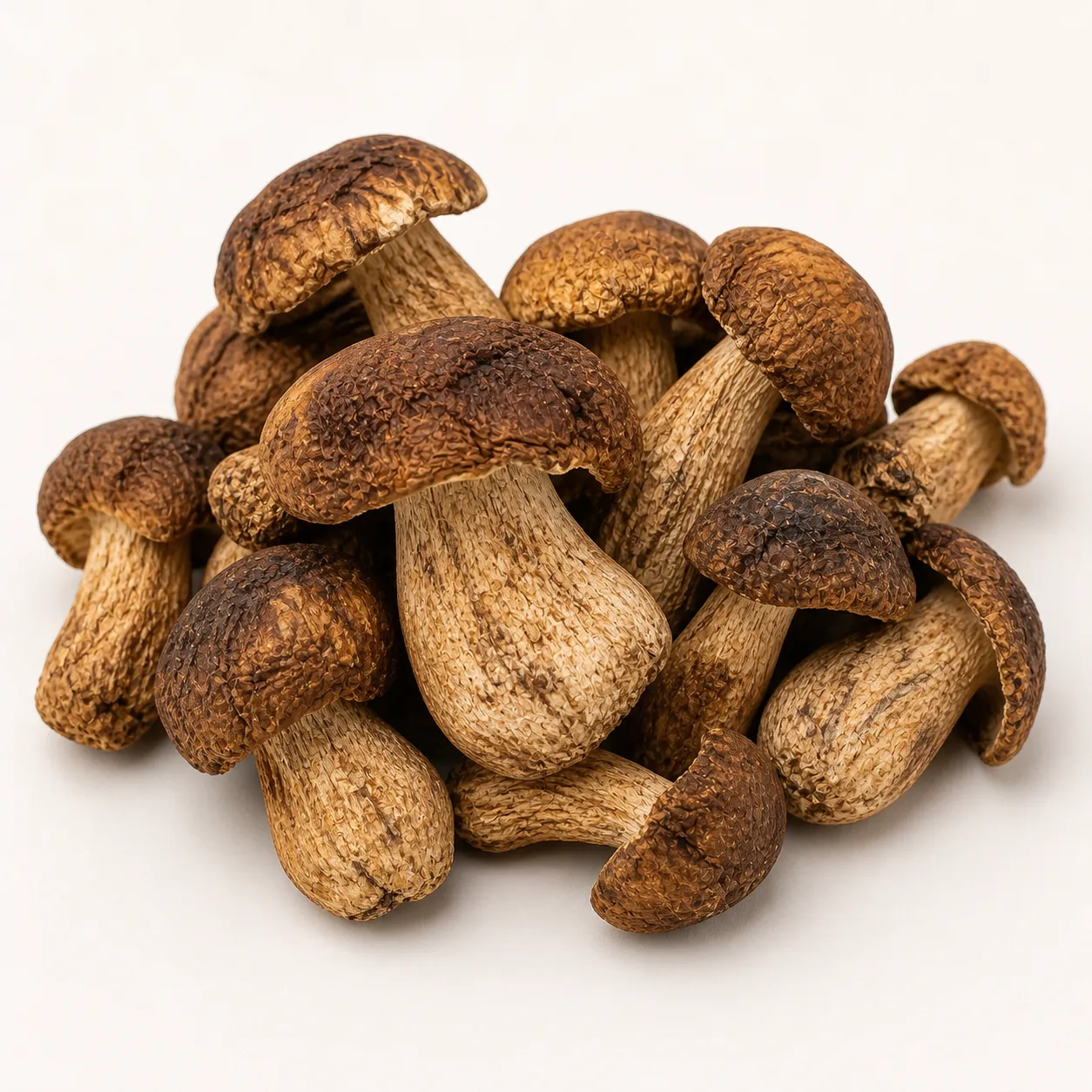
Sliced Porcini Mushroom
Premium sliced dried porcini mushrooms for restaurants, distributors, and specialty food buyers.
Wholesale price
$72.87/lb
$160.65/kg
Market reference
Approx. $264/kg
Need wholesale support?
Contact Fungi Origin for pricing, product inspection, pickup, GTA delivery, or courier shipping across Canada and the US for bulk dried mushroom orders.
Contact Us