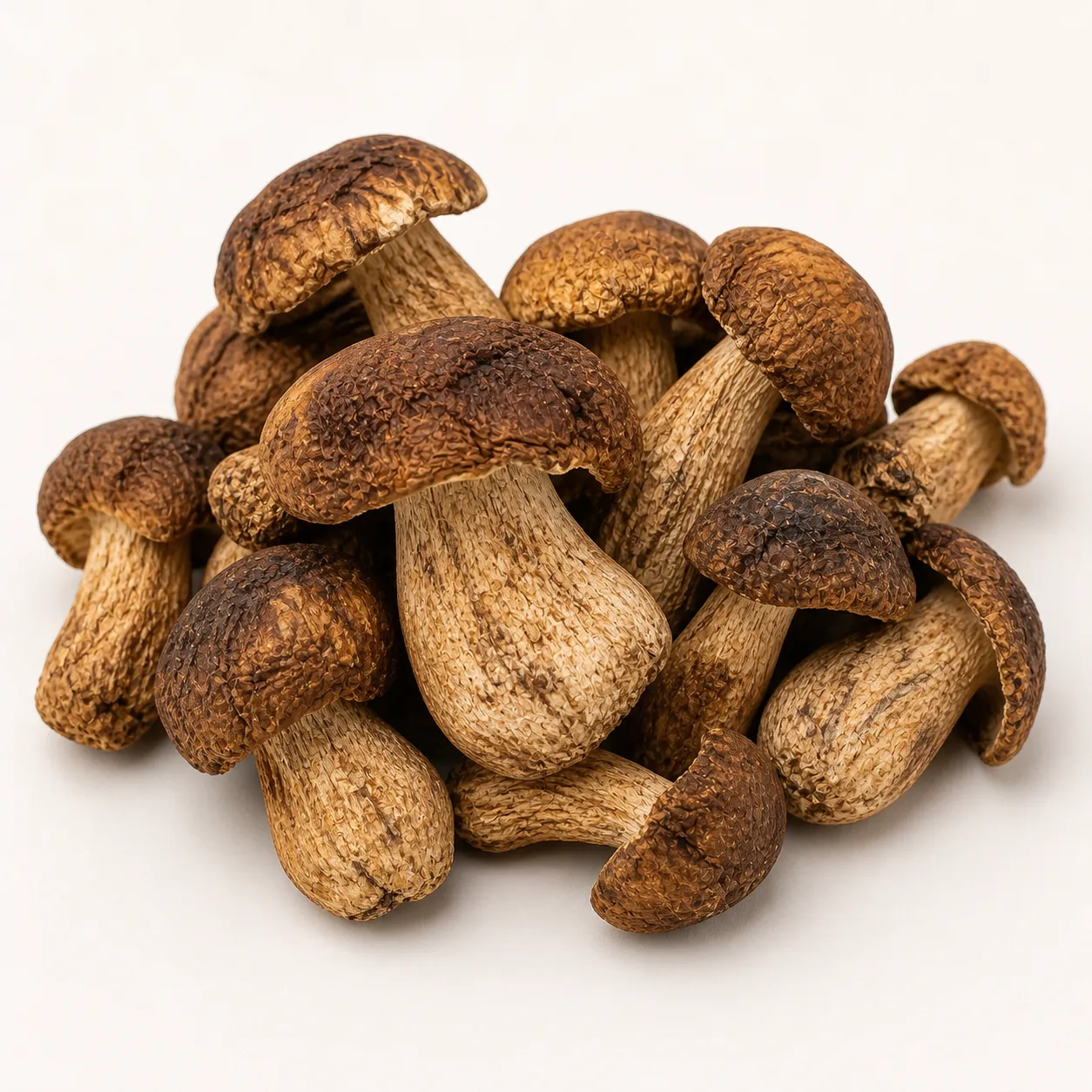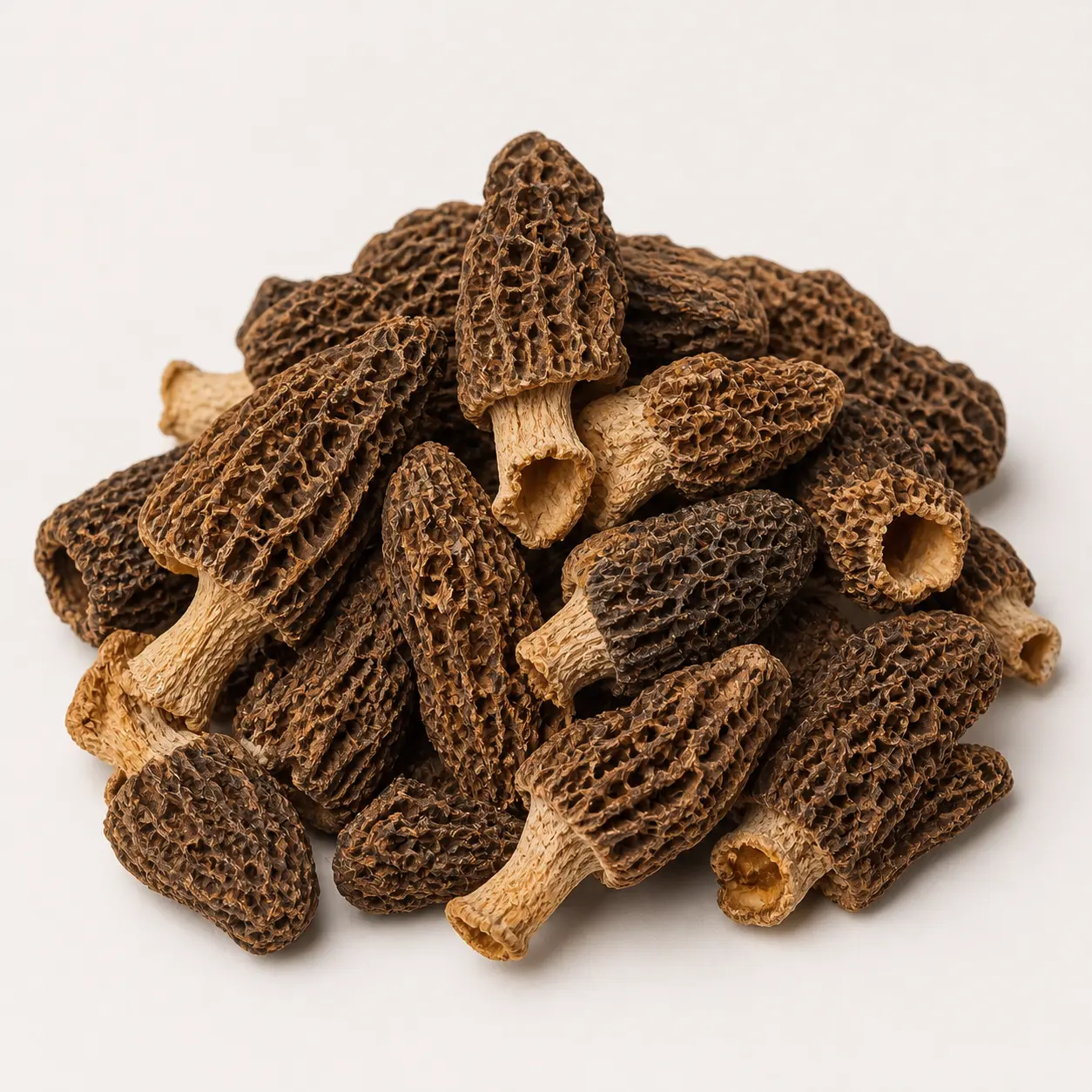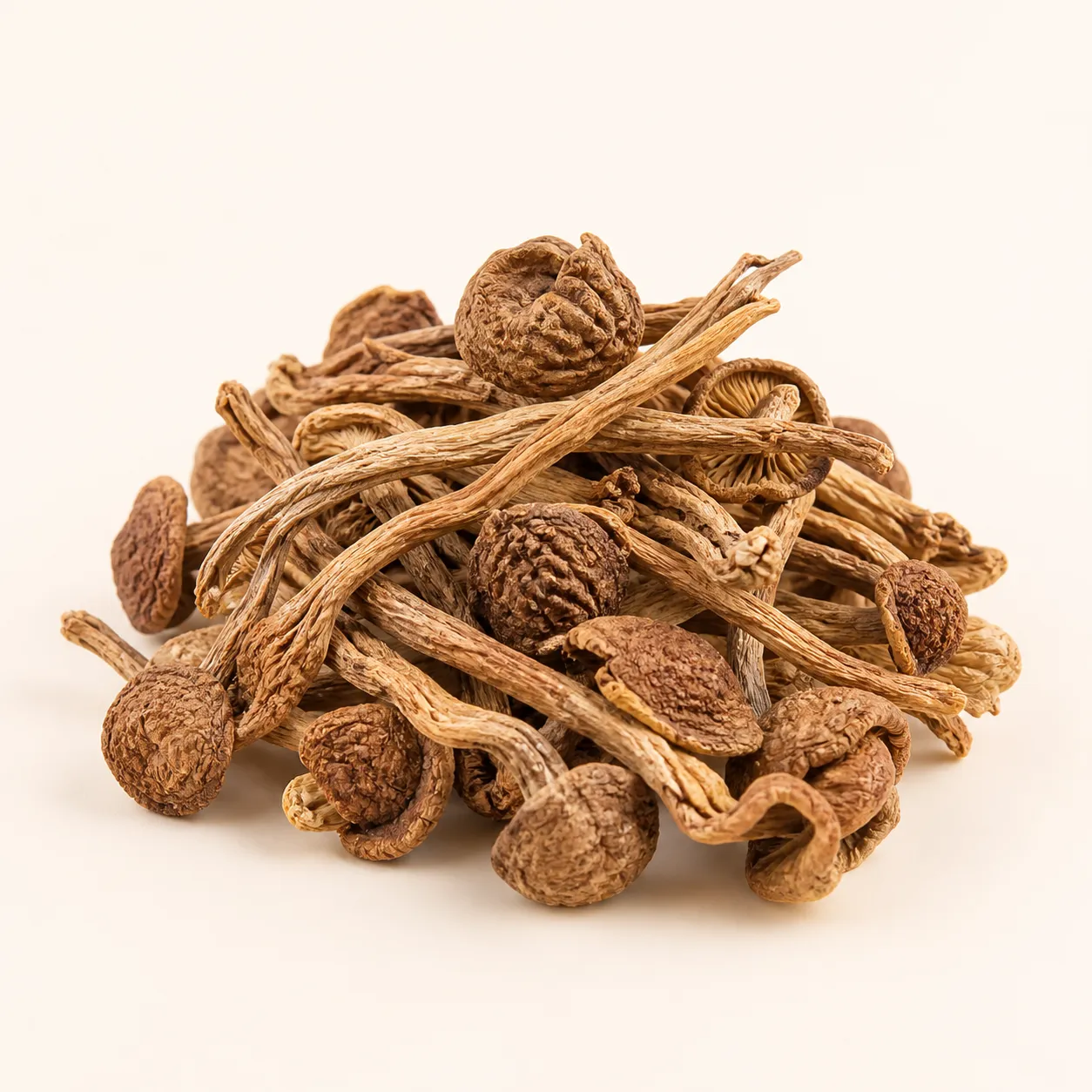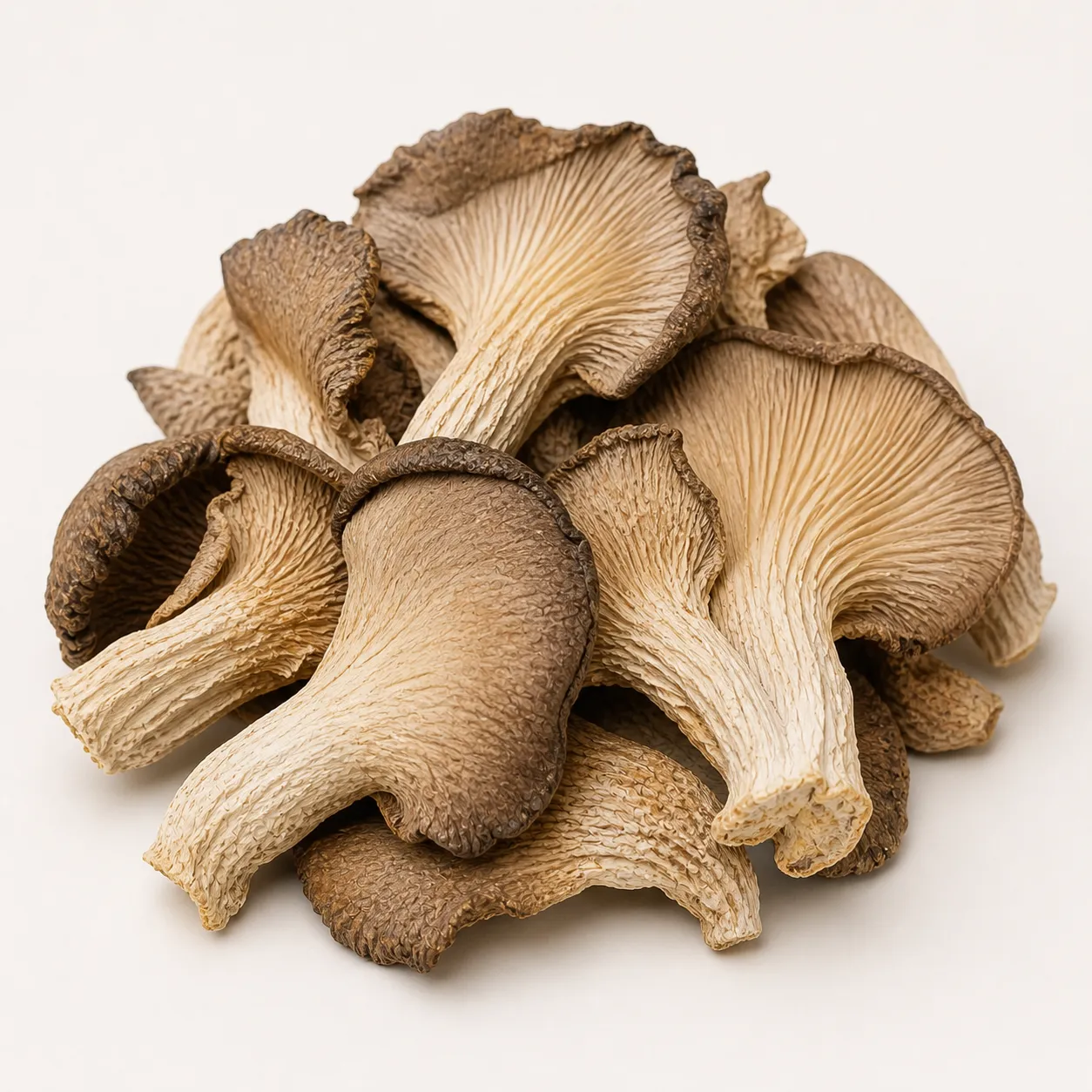
Shiitake Mushroom
Shiitake Soaking Water: 7 Safe Ways to Use It
Learn when dried shiitake soaking water is worth keeping, how to filter and cook it safely, and seven practical uses for soups, rice, sauces, and braises.
By Editorial Team
Food sourcing and kitchen operations specialists covering ingredient procurement, storage science, and commercial kitchen efficiency across Canada.
Pouring dried shiitake soaking water straight down the drain can waste useful savoury flavour, but saving every cloudy bowl without checking it is not good kitchen practice either. The liquid is most useful when the mushrooms were rinsed, soaked in a clean covered container, kept refrigerated during a long soak, and the water is filtered before cooking. Shiitake soaking water is the liquid left after dried shiitake rehydrate, carrying soluble aroma and taste compounds that can season cooked food. Fungi Origin created this guide for home cooks and food-service teams deciding when to keep it, discard it, or use it in seven practical ways.
Prepare Shiitake Soaking Water Correctly
Good soaking liquid starts with clean handling, not with a strainer at the end. Dried shiitake may carry dust or small particles from growing, drying, packing, and transport, so give the caps a quick rinse under cool running water before they enter the soaking container. Health Canada's mushroom food-safety guidance recommends clean hands, utensils, work surfaces, and fresh running water when preparing mushrooms.
Use the refrigerated method in our complete dried shiitake rehydration guide when time allows. Put the rinsed caps in a clean container, cover them generously with cold water, keep them submerged, cover the container, and refrigerate until the thickest cap is flexible through the centre. A long soak belongs in the refrigerator, not on a prep counter.
Before reserving the water:
- lift the softened mushrooms out instead of tipping sediment over them;
- trim tough stems and cook the caps fully in the final dish;
- let grit settle for a minute before moving the liquid;
- pour through a fine-mesh strainer lined with a clean coffee filter or cheesecloth;
- transfer the clear portion into a clean container;
- bring the liquid into a fully cooked recipe rather than drinking it uncooked.
The filtered water should smell pleasantly mushroom-like. If it is slimy, sour, unusually foamy, or smells wrong, discard both the liquid and questionable mushrooms. Cooking is not a reliable way to rescue ingredients that were held improperly or show signs of spoilage.
Use It in 7 Cooked Dishes
The best use for shiitake soaking water is as one flavour component in a cooked dish, not as a complete stock by itself. Its strength varies with mushroom grade, cap thickness, water volume, and soak time, so taste it after filtering and dilute when necessary. Fungi Origin recommends treating each batch like an ingredient that needs evaluation, not a standardized concentrate.
1. Build a soup or noodle broth
Replace part of the plain water in ramen, wonton soup, hot-and-sour soup, or a vegetable noodle bowl. Combine it with a prepared stock, aromatics, and seasoning rather than expecting mushroom water alone to provide salt, sweetness, and body. Bring the finished broth to a thorough simmer and adjust it after tasting.
2. Cook rice, congee, or grains
Use filtered soaking liquid for part of the cooking water in rice, barley, farro, or savoury oatmeal. It works especially well when the rehydrated caps will be sliced into the same dish. Measure the total liquid according to the grain recipe; mushroom water replaces water, not the grain's required cooking ratio.
3. Strengthen a braise
Add it to braised tofu, chicken, pork, daikon, or mixed vegetables. The liquid carries flavour through a longer cook and helps connect the shiitake with soy sauce, ginger, garlic, scallion, or fermented bean seasonings. Start with a moderate amount because reduction can intensify both mushroom flavour and salt already present in the sauce.
4. Loosen a pan sauce
After browning vegetables, tofu, or meat, use a small amount of hot filtered shiitake water to lift the browned bits from the pan. Finish with another stock, butter, oil, or starch slurry according to the dish. This is a practical way to use a small batch without committing an entire soup to it.
5. Add depth to dumpling or stuffing mixtures
Finely chop the rehydrated caps and use a spoonful of liquid to hydrate a dry dumpling, spring-roll, or savoury stuffing mixture. Add it gradually; too much liquid makes wrappers difficult to seal and can weaken texture. The filling still needs to be cooked to the safe temperature required by its other ingredients.
6. Make a savoury sauce or gravy
Use the liquid as part of a mushroom gravy, noodle sauce, vegan sauce, or starch-thickened stir-fry sauce. First combine it with the other liquid ingredients, then cook the sauce completely. A filtered batch offers depth without requiring artificial “mushroom flavour,” but every recipe still needs its own seasoning balance.
7. Freeze measured portions for future cooking
If the liquid was handled safely but will not be used immediately, cool it promptly and freeze it in labelled, recipe-sized portions. Small cubes are convenient for sauces; larger containers suit soup and braises. Leave expansion room, date the package, and thaw in the refrigerator or directly in a dish that will be thoroughly heated.
Know When to Discard the Liquid
Discarding questionable soaking water is cheaper than risking a batch of food or a customer's trust. Do not keep liquid from mushrooms that were not intended for food use, from a damaged or recalled package, or from a bowl left at room temperature for an extended period. If the package gives specific rehydration or disposal directions, those instructions take priority over a general blog guide.
Throw it away when:
- you did not rinse visibly dusty mushrooms before soaking;
- the soak container or utensils were not clean;
- raw meat, seafood, dirty hands, or other contaminants contacted the water;
- a long soak was held outside refrigeration;
- the liquid has an unpleasant smell, slime, or suspicious appearance;
- you cannot establish when or how the batch was prepared;
- the product is subject to a food recall.
Do not taste questionable liquid to decide whether it is safe. Health Canada's general food-safety advice notes that appearance, smell, and taste cannot reveal every contaminant; good time, temperature, and hygiene controls are what make a batch defensible.
Standardize the Method in a Restaurant Kitchen
Restaurants should manage shiitake soaking water as a labelled prep ingredient with a defined batch procedure. A written method protects consistency and lets a chef know whether the liquid was prepared safely before it enters several menu items. It also makes the real value of dried shiitake easier to calculate.
A workable prep standard records:
- dry shiitake weight and supplier lot;
- water volume;
- soak start time and refrigeration location;
- hydrated cap yield;
- filtered liquid yield;
- intended menu use and use-by time;
- employee initials.
Run a controlled test before assigning the liquid a financial value. Record how much stock it replaces without weakening consistency; never claim a fixed saving unless purchasing and recipe records prove it. Canadian kitchens can review Fungi Origin's dried mushroom catalogue or request current case information; shiitake has no dedicated product page, so we do not invent one.
Avoid Common Flavor and Texture Mistakes
The most common mistake is using all the liquid simply because it is available. A dark or concentrated batch can dominate delicate vegetables, seafood, clear soups, or cream sauces. Taste a cooked spoonful, then blend it with water or another stock until it supports the recipe.
Other avoidable errors include:
- pouring sediment from the bottom of the bowl into the dish;
- using soaking water as a substitute for salt and complete seasoning;
- boiling the liquid down before checking its intensity;
- storing an unlabelled container that the next shift cannot identify;
- repeatedly cooling and reheating the same batch;
- assuming liquid from every mushroom species tastes the same.
Shiitake water is usually more useful for broth than wood ear soaking water because shiitake contributes a stronger aroma. By contrast, Fungi Origin's wood ear safety guide recommends draining and rinsing wood ear rather than saving that soak. Ingredient-specific handling prevents a useful practice for one mushroom from becoming a careless rule for all dried fungi.
Frequently Asked Questions
Is dried shiitake soaking water safe to use?
Shiitake soaking water can be used in a fully cooked dish when the mushrooms were food-grade, rinsed, soaked with clean water and utensils, refrigerated during a long soak, and the liquid was finely filtered. Discard it after unsafe holding, cross-contamination, a recall, or any sign of spoilage. Package directions always take priority.
How long can shiitake soaking water stay in the refrigerator?
Use it as promptly as practical rather than treating it as a long-life stock. If it will not go straight into a cooked recipe, cool, cover, label, and refrigerate it immediately, following your local food-safety plan. Freezing measured portions is the more controlled choice when the cooking date is uncertain.
Can you drink shiitake soaking water by itself?
It is better used as an ingredient in a thoroughly cooked soup, sauce, rice dish, or braise. Uncooked soaking water may contain sediment and is not a finished beverage or balanced broth. Filter it, heat it as part of the recipe, and discard it whenever preparation history or quality is uncertain.
Turn One Soak Into a Better-Planned Dish
Shiitake soaking water is worth keeping only when clean preparation, refrigeration, filtration, and full cooking make the batch defensible. Taste it, dilute it, and use it where deeper savoury flavour belongs. Start with the dried shiitake rehydration method above, then browse Fungi Origin's current dried mushroom selection for real products rather than a fabricated shiitake listing.
Need wholesale support?
Contact Fungi Origin for pricing, product inspection, pickup, GTA delivery, or courier shipping across Canada and the US for bulk dried mushroom orders.
Contact Us