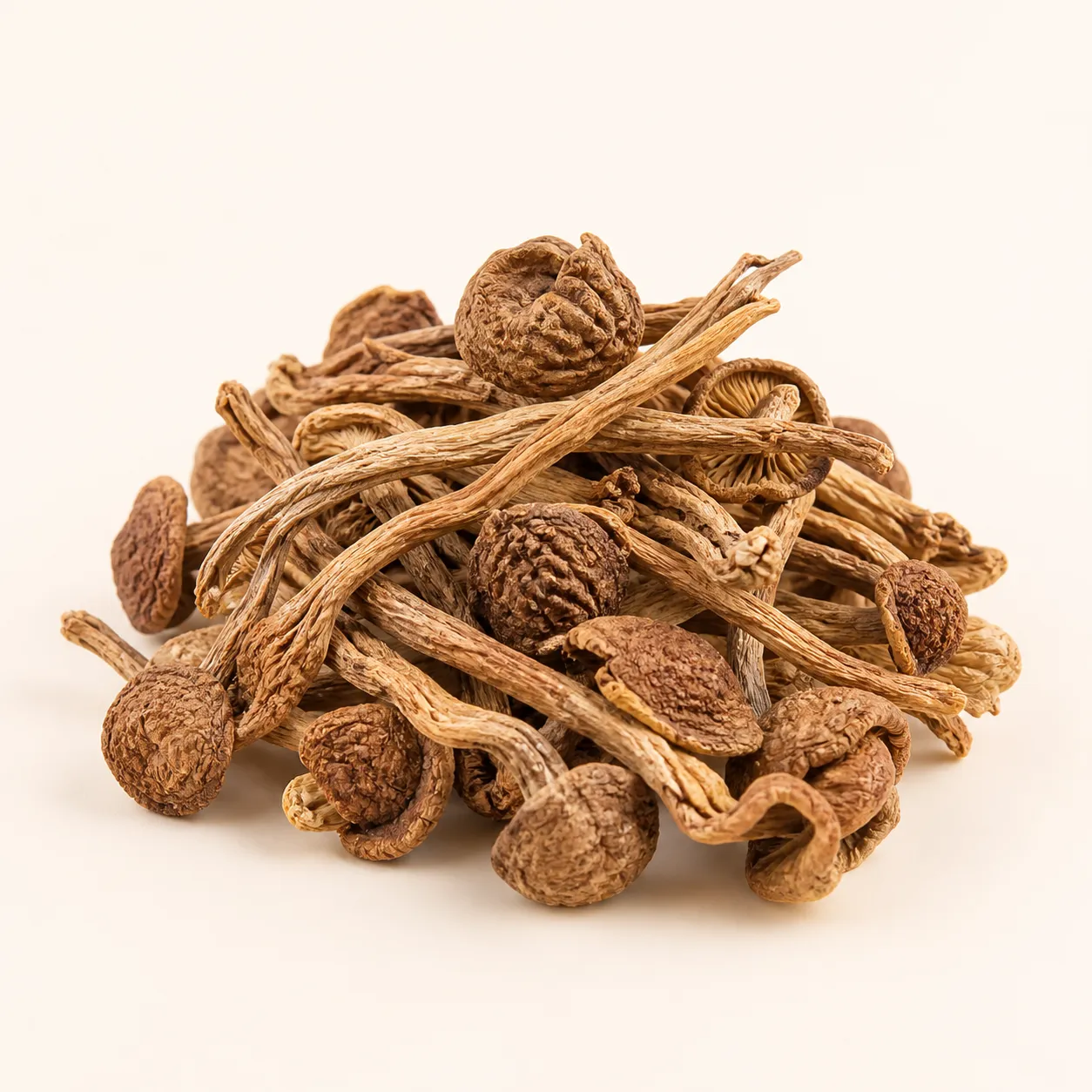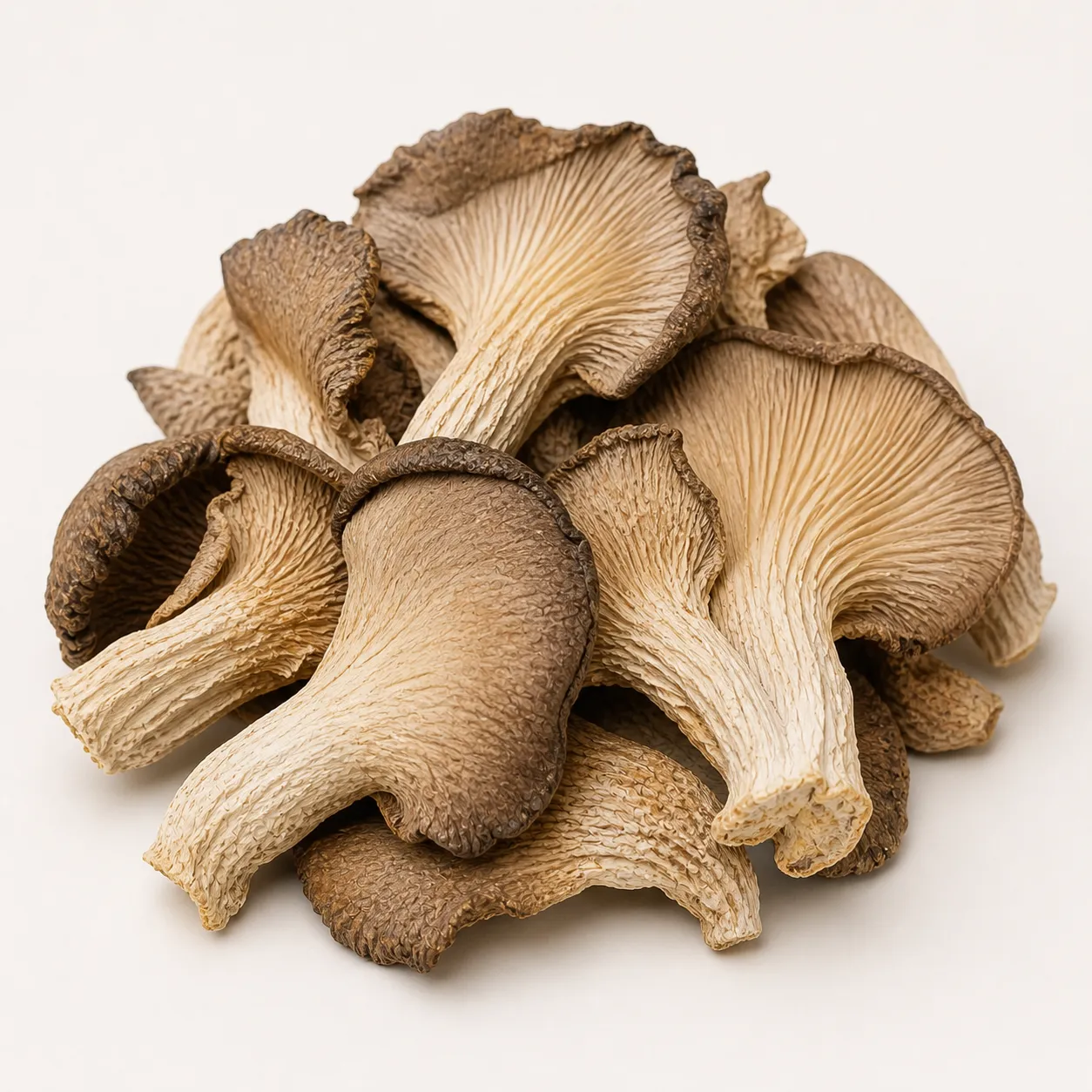
Black Fungus / Wood Ear
How to Store Rehydrated Wood Ear Mushrooms Safely
Learn how to cool, refrigerate, label, freeze, and discard rehydrated wood ear mushrooms safely, with practical rules for homes and restaurant prep teams.
By Editorial Team
Food sourcing and kitchen operations specialists covering ingredient procurement, storage science, and commercial kitchen efficiency across Canada.
Rehydrated wood ear is no longer a shelf-stable dried ingredient. Once it absorbs water, it must be treated as prepared, perishable food: keep the soak controlled, drain and rinse it, cook it as directed, cool leftovers promptly, refrigerate them in a clean labelled container, and discard any batch with an uncertain history. Storing rehydrated wood ear means controlling time, temperature, cleanliness, and traceability after the dried fungus has absorbed water. Fungi Origin created this guide to separate safe short-term storage from the risky habit of leaving soaked fungus in water on a counter.
Finish the Soak Before You Think About Storage
The safest storage plan begins with a short, clean, traceable soak. Follow the package and Fungi Origin's wood ear rehydration guide rather than soaking an oversized batch without a scheduled use. Hong Kong's Centre for Food Safety advises keeping room-temperature soaking within two hours and refrigerating when a longer soak is needed.
Before storage:
- rinse the dried fungus under fresh running water;
- use a clean food-safe container and clean water;
- record when the soak began;
- keep a long soak covered in the refrigerator;
- drain the water after the fungus expands;
- rinse the pieces again and trim hard attachment points;
- follow the product's cooking instructions.
Do not store wood ear indefinitely in the original soaking water. Draining does not reverse unsafe time at room temperature, and replacing old water with fresh water does not reset the preparation clock. If nobody can establish when the bowl was started, the batch should not move into storage or service.
The FDA's 2020 wood ear outbreak guidance also shows why dried mushrooms should not be treated as sterile. Its general advice for non-recalled dried mushrooms included reconstituting with boiling water; recalled products were to be discarded, not “cleaned” through soaking or cooking. Package and recall instructions take priority over a general blog.
Refrigerate It in a Clean, Labelled Container
Rehydrated wood ear intended for later cooking should be drained, covered, cold, and clearly dated. Let excess water drain so the pieces are not sitting in a warm puddle, then move them with clean utensils into a clean shallow container. Refrigerate promptly at 4°C/40°F or below under your normal food-safety system.
A useful label includes:
- product name;
- soak start date and time;
- whether it was soaked under refrigeration;
- drain or cook date and time;
- intended dish;
- discard or use-by time under the kitchen's policy;
- employee initials in food service.
Health Canada's leftover food-safety guidance says cooked food left at room temperature for more than two hours should be thrown away, refrigerated leftovers should be cooled promptly in shallow containers, and refrigerated leftovers should be eaten within two to three days or frozen. That is a general ceiling for cooked leftovers, not permission to hold every rehydrated ingredient for the maximum time.
Fungi Origin recommends planning a smaller batch that will be cooked promptly. The package, local public-health requirements, a restaurant's approved plan, or the condition of the ingredient may require a shorter period. When rules differ, follow the most specific and cautious instruction that applies.
Separate Uncooked Prep From Cooked Leftovers
Uncooked rehydrated fungus and a finished cooked dish are different storage categories. An uncooked drained batch still needs complete cooking. A cooked wood ear salad, stir-fry, soup, or hot-pot leftover has additional ingredients, handling events, and cooling requirements that determine its usable life.
For uncooked rehydrated wood ear:
- keep it separate from ready-to-eat food;
- prevent drips and contact with raw meat or seafood;
- label it as “requires cooking”;
- use it promptly in the planned recipe;
- do not return unused service-line portions to the main batch.
For cooked leftovers:
- transfer them into clean shallow containers;
- divide large amounts so they cool quickly;
- refrigerate once steaming stops, within the official time limit;
- keep different dishes separate;
- reheat or serve according to the requirements for the complete dish;
- discard food left out too long.
A cold salad may contain garlic, vinegar, sesame oil, vegetables, or protein, but acid and seasoning do not make careless storage safe. Unless a recipe has been professionally validated for preservation, treat it as a refrigerated prepared food rather than a shelf-stable pickle.
Freeze Only a Suitable, Well-Handled Batch
Freezing can extend usable time, but it cannot repair poor soaking or unsafe holding. Freeze only wood ear that was handled cleanly and moved promptly under temperature control. Blanching or fully cooking before freezing is often more practical than freezing an uncooked soaked batch; follow the package and your recipe needs.
For better freezer control:
- Drain the cooked or prepared pieces well.
- Cool them promptly.
- Portion according to one recipe or service batch.
- Pack in clean freezer-safe containers or bags.
- Remove excess air without crushing the pieces.
- Label the product and freeze date.
- Thaw in the refrigerator or cook from frozen when the recipe allows.
Wood ear texture may change after freezing. Test a small batch before freezing inventory for a menu that depends on a very crisp bite. Soup, braise, and stir-fry applications may tolerate the change better than a cold salad.
Never freeze a batch merely because it is approaching an uncertain deadline. If its soak time, room-temperature exposure, contamination history, smell, or appearance raises concern, discard it. The freezer pauses deterioration; it does not turn a questionable ingredient into a safe one.
Discard It When the History or Quality Fails
Time and temperature records matter more than a quick smell test. Harmful contamination cannot always be seen, smelled, or tasted. Visible slime, sour or unusual odour, unexpected foaming, mould, or severe discoloration are clear reasons to discard, but an apparently normal batch can still be unacceptable after unsafe holding.
Discard rehydrated wood ear when:
- the soak start time is unknown;
- it sat at room temperature beyond the applicable limit;
- a long soak was not refrigerated;
- it contacted dirty utensils, raw proteins, or contaminated surfaces;
- its container is unlabelled in a commercial kitchen;
- the product is covered by a recall;
- it is slimy, mouldy, sour-smelling, or otherwise abnormal;
- the package directs disposal after a shorter period.
Do not taste it to test safety, rinse away slime, mix a questionable batch into a fresh one, or rely on strong seasoning to hide an odour. Fungi Origin's principle is straightforward: when preparation history fails, the batch fails.
Build a Restaurant Batch System
Restaurants should match dry prep quantity to forecast demand rather than soak a large safety buffer. Dried black fungus expands substantially, so a small error in dry weight can create a large bowl of unplanned hydrated product. A yield test gives the kitchen a defensible starting point.
For each supplier lot, record dry weight, water amount, soak start, refrigerated or room-temperature method, drained yield, trim loss, cooked yield, and portions served. Then set a standard dry weight for one prep batch. This approach supports safety, reduces discard, and keeps portion cost more stable.
Use separate colour-coded or clearly marked containers for “soaking,” “drained—cook required,” and “cooked.” A manager should be able to look at a container and know the stage, time, and next action without asking who prepared it.
Retail and food-service buyers can compare standard black fungus with smaller cloud ear fungus based on the dish's size and texture needs. For case specifications or wholesale prep planning, contact Fungi Origin rather than assuming every grade has the same expansion and holding behaviour.
Frequently Asked Questions
How long can rehydrated wood ear stay in the refrigerator?
Use it promptly and follow the package or your local food-safety plan. Health Canada's general guidance says refrigerated cooked leftovers should be eaten within two to three days, but an uncooked rehydrated ingredient may require a shorter internal limit. Unknown soak history, unsafe room-temperature exposure, or spoilage means immediate disposal.
Can I leave soaked wood ear in water overnight?
Only use a longer soak when the product directions allow it and the covered container is refrigerated from the beginning. Do not leave wood ear soaking overnight at room temperature. After rehydration, drain and rinse it, then cook and store it according to the intended recipe rather than leaving it in water.
Can you freeze rehydrated black fungus?
You can freeze a clean, safely handled batch, preferably after blanching or cooking when that suits the recipe. Drain, cool, portion, label, and freeze it promptly, then thaw in the refrigerator or cook from frozen. Test texture first because freezing may reduce the crispness expected in salads.
Store Less and Plan the Next Batch Better
Safe storage of rehydrated wood ear is a short bridge to a planned cooked dish, not a way to keep an open-ended bowl of soaked fungus. Control the soak, label and refrigerate promptly, separate uncooked prep from leftovers, and discard any batch with an uncertain history. Use Fungi Origin's rehydration process above, then choose the verified black fungus or cloud ear product that matches your recipe and batch plan.
Shop this product
Buy black fungus wholesale
Stocked in Ontario. Free GTA delivery over $350 CAD; courier shipping across Canada and to the US.
Wholesale
Dried Fungus
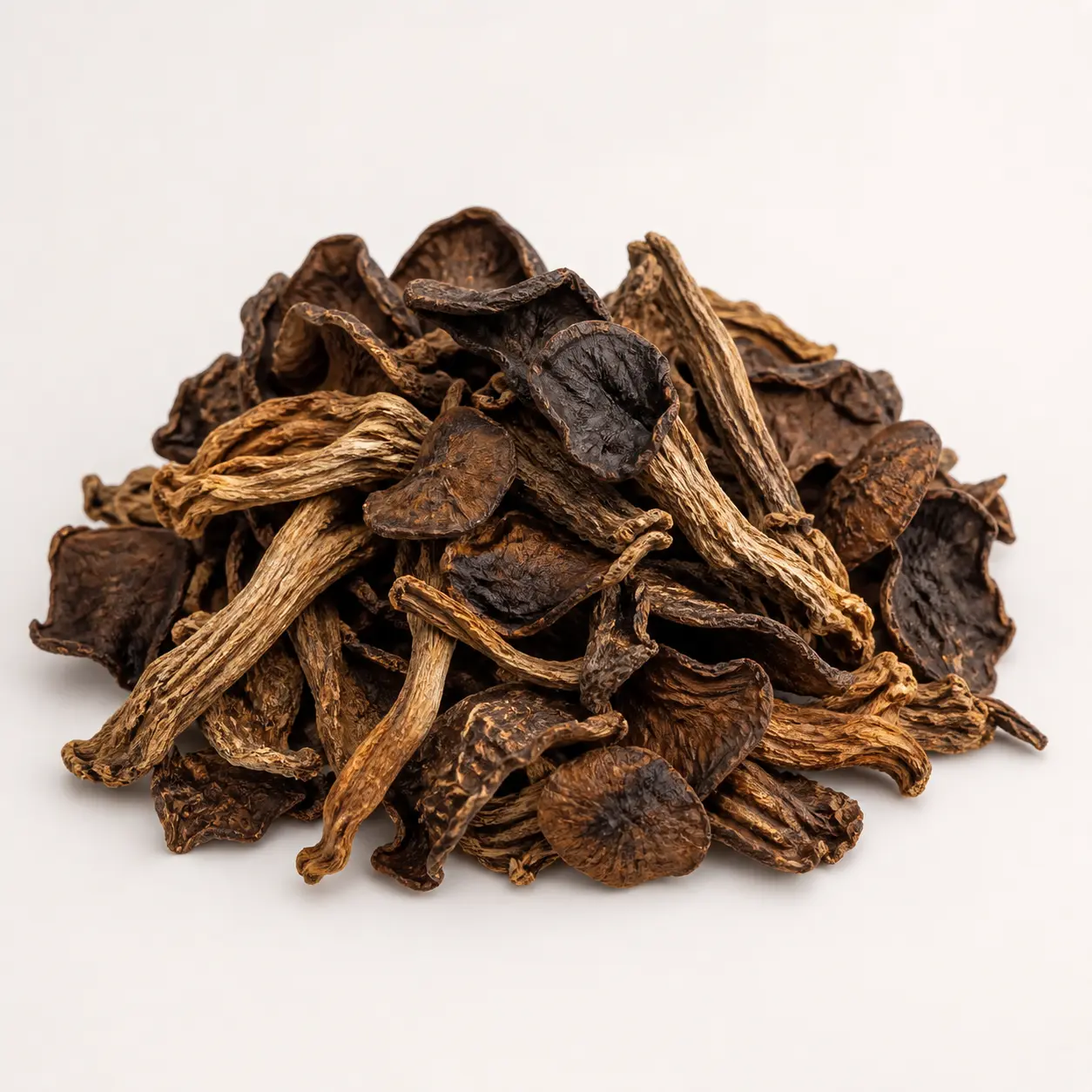
Black Fungus
Clean and well-selected dried black fungus suitable for food service and retail resale.
Wholesale price
$15.62/lb
$34.43/kg
Market reference
Approx. $59–80/kg
Need wholesale support?
Contact Fungi Origin for pricing, product inspection, pickup, GTA delivery, or courier shipping across Canada and the US for bulk dried mushroom orders.
Contact Us