Black Fungus / Wood Ear
Dried Black Fungus for Asian Grocery Stores in Canada
Stock retail-pack dried black fungus for Canadian Asian grocery stores — case-pack specs, retail margins, private label, and competitive supplier pricing.
By Editorial Team
Food sourcing and kitchen operations specialists covering ingredient procurement, storage science, and commercial kitchen efficiency across Canada.
Asian grocery stores represent one of the largest Canadian dried black fungus channels — both as direct retailers selling to Chinese, Korean, Vietnamese, and broader Asian-Canadian consumers, and as the primary retail destination for Canadian home cooks of all backgrounds buying dried wood ear. The right supplier relationship for an Asian grocery operator looks meaningfully different from a typical foodservice supplier. Dried black fungus for Asian grocery stores in Canada is sourced as retail-ready case-pack inventory in 100g, 250g, 500g, or 1kg consumer formats with shelf-ready labeling, attractive packaging, competitive resale margins, and supply continuity across the year — particularly important during Lunar New Year and back-to-school demand peaks.
Stock Multiple Retail Pack Formats Strategically
Asian grocery operators benefit from carrying multiple wood ear retail SKUs simultaneously, balancing entry-level pricing with premium options. The right pack-size mix matches typical home-cook buying patterns and supports both routine and bulk-buying customer segments.
Standard Asian-grocery wood ear retail SKUs:
- 100g entry-level pack — single-recipe purchase; first-time buyers
- 250g standard pack — 4–8 weeks of typical home use; the most common retail SKU
- 500g value pack — bulk-buyer home cooks; better per-gram pricing
- 1kg family-cooking pack — larger families, Asian-cuisine enthusiasts
- Premium cloud ear (smaller-format) — gift programs, premium positioning
- Sliced format — convenience-positioned for time-pressed customers
Most Canadian Asian groceries maintain 4–8 wood ear retail SKUs simultaneously across these size points. Retail pricing per pack typically marks up 80–150% above wholesale cost — a margin structure that supports profitable retail operations.
According to a 2024 Canadian Asian-grocery sales analysis, dried wood ear is among the top 15 dollar-volume SKUs in dry-pantry sections of major Canadian Asian grocery chains, with consistent year-round velocity and demand spikes during Lunar New Year and major Asian holidays.
Negotiate Wholesale Margins That Support Retail Economics
Asian grocery retail economics work when the supplier-buyer pricing structure protects the retailer's resale margin. The right supplier relationship should leave 35–55% gross margin for the retailer reselling to consumers.
Wholesale pricing for Asian grocery retail purchasing:
- Whole Grade A wood ear, 1kg case — CAD $32–$42/kg
- Whole Grade A wood ear, 5kg case — CAD $26–$36/kg
- Whole Grade A wood ear, 25kg+ — CAD $22–$30/kg
- Premium cloud ear, smaller-format — add 25–40% to base pricing
- Sliced format — comparable or 5–10% lower than whole
For an Asian grocery store stocking 4 wood ear SKUs (100g, 250g, 500g, 1kg) at typical retail markups, the per-bag retail revenue runs CAD $4–$28 against per-bag wholesale cost of CAD $2.20–$11.50 — gross margins of 50–60% before operating costs.
Annual wholesale spending for a typical Canadian Asian grocery store on wood ear runs CAD $4,000–$15,000, supporting CAD $10,000–$35,000 in retail wood ear sales depending on store size and customer base.
Plan for Lunar New Year and Holiday Demand Spikes
Canadian Asian grocery operators face predictable demand spikes around Lunar New Year (late January–mid February) and other major Asian holidays. These spikes affect both wood ear consumption and pricing in supplier markets.
Major demand-spike periods for Asian-grocery wood ear:
- Lunar New Year (late January–February) — 50–80% volume increase versus baseline
- Mid-Autumn Festival (September) — modest increase; family gathering cooking
- Back-to-school period (late August) — moderate increase; home-cooking volumes rise
- Lunar New Year Eve preparation week — peak single-week spike
Smart inventory planning anticipates these spikes by 60–90 days. Asian-grocery operators ordering in November–December for Lunar New Year sales protect both inventory availability and pricing stability versus operators who spot-order during the demand spike itself. Suppliers like Fungi Origin offer pre-CNY contracting with locked pricing and reserved inventory for committed Asian-grocery accounts.
Develop Private Label Programs for Differentiation
Asian grocery operators with strong customer relationships often benefit from private-label wood ear SKUs branded under their own house labels. This positions the grocer as more than a pass-through and creates customer loyalty around exclusive products.
Private-label program options:
- Custom packaging design — store logo, brand identity, label content
- Custom pack sizes — non-standard weights matching customer preferences
- Bilingual labeling — French/English Canadian compliance plus Chinese/Korean for primary customer base
- Multilingual labeling — for diverse customer demographics
- Premium tier private label — cloud ear, organic-certified, or specific origin
- Lunar New Year gift packaging — premium presentation for holiday gifting
Private-label programs typically require 100kg+ committed annual volume and 6–12 weeks lead time on initial inventory. The reward is meaningful — private-label wood ear typically commands 8–15% higher resale margin than commodity-supplier SKUs. Fungi Origin operates an active private-label program for Canadian Asian grocery operators including bilingual and multilingual packaging support.
Coordinate Multi-Cluster Asian Mushroom Sourcing
Asian grocery stores typically stock multiple dried mushroom categories simultaneously — wood ear, shiitake, lion's mane, sometimes cloud ear, snow fungus, and others. Single-supplier consolidation across these categories simplifies operations and unlocks meaningful pricing advantages.
Multi-cluster sourcing benefits:
- 6–12% pricing improvements versus single-cluster contracting
- Consolidated shipping reduces logistics cost
- Single accounts payable relationship simplifies bookkeeping
- Shared minimum commitments across multiple SKUs
- Coordinated holiday programming with one supplier
- Single point of contact for quality issues or special requests
Most Canadian Asian grocery stores benefit from consolidating their dried specialty mushroom purchasing with one or two direct importers rather than scattering across multiple specialty buyers. Fungi Origin offers multi-cluster Asian-mushroom contracts covering wood ear, shiitake, lion's mane, oyster, snow fungus, cordyceps flower, and other Asian specialty species under single annual agreements.
Frequently Asked Questions
What's the best pack size for Canadian Asian grocery wood ear retail?
The 250g pack is the most common bestseller across Canadian Asian groceries — it matches typical home-cook usage cadence (4–8 weeks of regular Asian cooking) at an attractive price point. Stock 100g for entry-level customers and recipe-specific buyers, 250g as the volume mover, 500g for serious home cooks, and 1kg for family-cooking enthusiasts. This four-size assortment covers most customer segments effectively.
How much wood ear does a typical Canadian Asian grocery sell monthly?
A mid-size Canadian Asian grocery typically sells 80–250kg of wood ear monthly across all SKU sizes, with Lunar New Year months running 1.5–1.8x baseline volume. Small specialty Asian groceries may sell 30–80kg monthly; large multi-store Asian-grocery chains can move several hundred kilograms monthly per store. Annual volumes scale from 1,000kg to over 5,000kg depending on store format.
Can Asian grocery stores access direct-from-importer pricing?
Yes, most Canadian direct-import wood ear suppliers offer Asian-grocery retail accounts with wholesale-tier pricing. Threshold for the most favorable tier varies — typically 50kg+ annual committed volume unlocks meaningful improvements over restaurant-tier pricing. Multi-cluster sourcing (combining wood ear with shiitake, snow fungus, and other Asian mushrooms) typically unlocks additional pricing flexibility.
Build a Retail-Ready Wood Ear Program
Strategic retail SKU mix across multiple pack sizes, wholesale margins that support retail economics, Lunar New Year and holiday demand planning, private-label development for differentiation, and multi-cluster Asian-mushroom consolidation. Together these elements turn wood ear from a commodity SKU into a profitable, customer-loyalty-building category for Canadian Asian grocery operators.
Contact the Fungi Origin Asian-grocery team for retail-ready case-pack pricing, private-label program details, Lunar New Year supply planning, and multi-cluster Asian mushroom sourcing for your store.
Shop this product
Buy black fungus wholesale
Stocked in Ontario. Free GTA delivery over $350 CAD; courier shipping across Canada and to the US.
Wholesale
Dried Fungus
Black Fungus
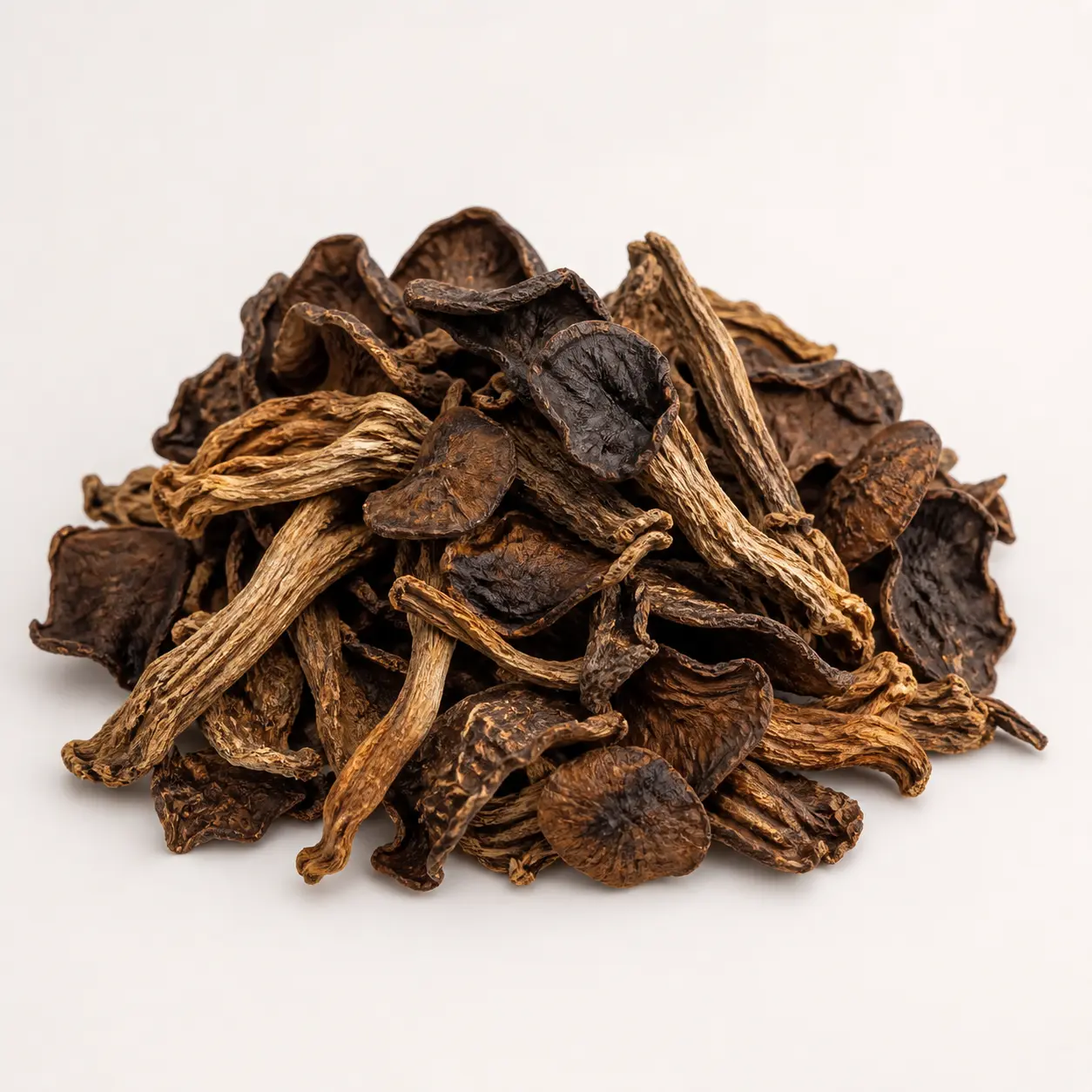
Clean and well-selected dried black fungus suitable for food service and retail resale.
Wholesale price
$15.62/lb
$34.43/kg
Market reference
Approx. $59–80/kg
Need wholesale support?
Contact Fungi Origin for pricing, product inspection, pickup, GTA delivery, or courier shipping across Canada and the US for bulk dried mushroom orders.
Contact Us