Black Fungus / Wood Ear
Black Fungus vs Wood Ear Mushroom: Are They the Same?
Black fungus vs wood ear vs cloud ear vs mu er — the naming confusion explained, with clarity on which name means what in Canadian wholesale and retail.
By Editorial Team
Food sourcing and kitchen operations specialists covering ingredient procurement, storage science, and commercial kitchen efficiency across Canada.
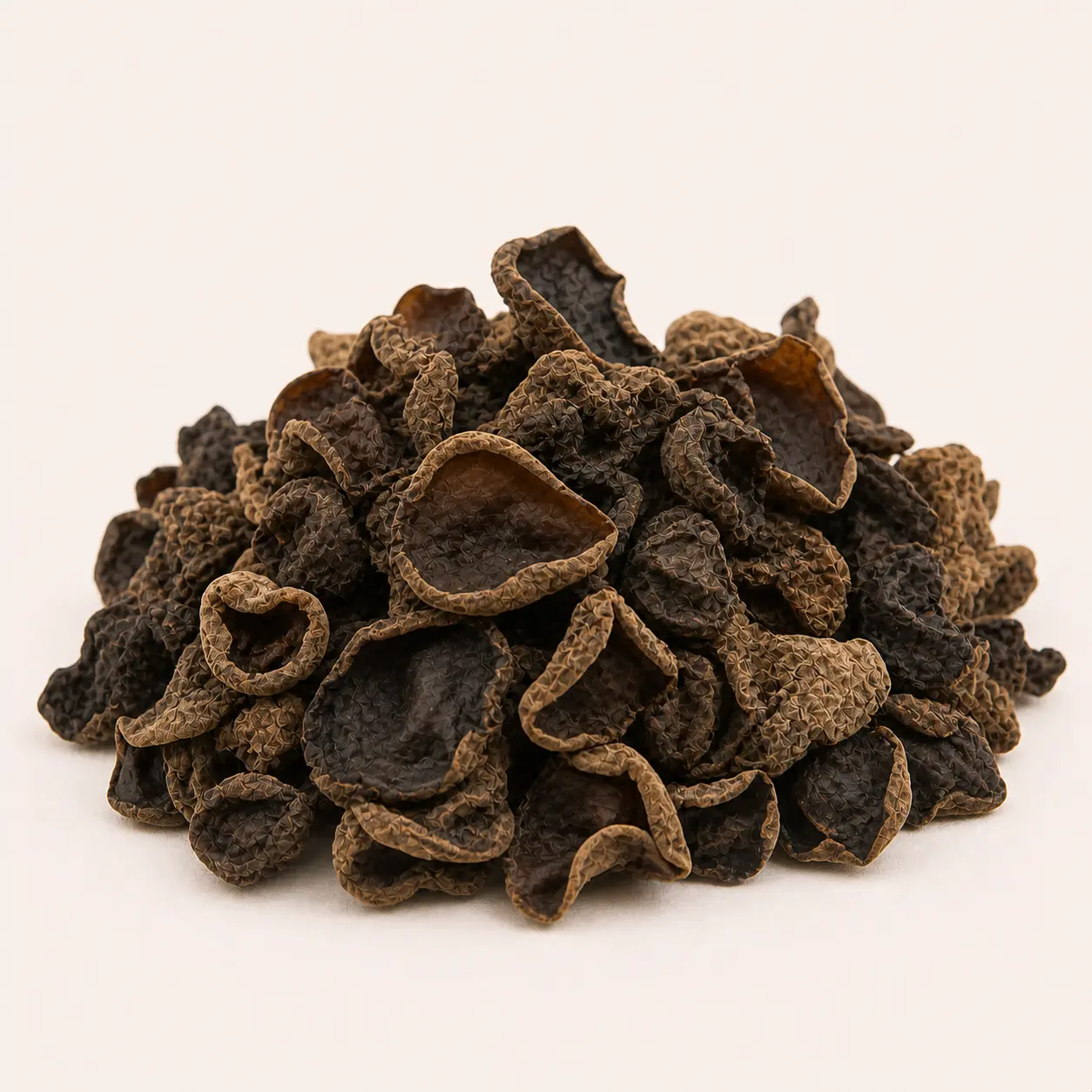
The naming confusion in the black fungus category is the worst in the dried mushroom market. Black fungus, wood ear, cloud ear, mu er, kikurage, mok yi, and "jelly ear" all appear on labels, in recipes, and in supplier catalogs — sometimes referring to the exact same product, sometimes to subtly different varieties. The confusion costs buyers money and creates avoidable shopping confusion. Black fungus and wood ear are typically the same mushroom — different commercial English names for the dried fruiting bodies of Auricularia auricula-judae and closely related Asian Auricularia species — though "cloud ear" sometimes refers specifically to a smaller, paler, more delicate variety, and minor regional usage differences occasionally cause confusion.
Sort Out the Primary Naming Equation
The first and most important thing to know: in Canadian commercial supply, "black fungus" and "wood ear" almost always refer to the same product. Suppliers, restaurants, and grocers use the names interchangeably for the dried Auricularia mushroom that appears in Chinese, Korean, Japanese, and Vietnamese cuisines.
Names for the same primary product:
- Black fungus — generic English commercial name; common in wholesale
- Wood ear — English translation of Chinese 木耳; common at retail
- Mu er (木耳) — Mandarin Chinese name
- Mok yi — Cantonese pronunciation
- Kikurage (木耳) — Japanese name
- Mok-i — Korean transliteration
If you see any of these names on a Canadian product, you're almost certainly looking at the same mushroom. The "black" descriptor in "black fungus" comes from the typical dark-brown-to-black dried color; "wood ear" comes from the ear-shaped fruiting body growing on tree wood. Both descriptors fit the same product.
Examine the "Cloud Ear" Distinction
The naming gets slightly more complex with "cloud ear" (Chinese 云耳, yun er), which sometimes refers to a distinct product and sometimes is used interchangeably with wood ear/black fungus. This is where buyer confusion most often arises.
The cloud ear distinction:
- Cloud ear (云耳, yun er) — sometimes refers to a smaller, paler, more delicate variety
- Botanical reference — sometimes specifies Auricularia polytricha (a slightly different species)
- Texture difference — generally more delicate and "frilly" than black fungus
- Color (rehydrated) — paler brown, sometimes nearly white at center
- Pricing — sometimes priced higher than standard wood ear/black fungus
- Application — preferred for delicate dishes and refined presentations
In some Canadian Asian groceries, "cloud ear" simply means a smaller-format wood ear sold in the same general category. In others, "cloud ear" specifically denotes a distinct premium variety. The absence of standardized naming conventions creates real confusion — when in doubt, ask the supplier or grocer to confirm whether they're selling Auricularia auricula-judae (standard black fungus) or Auricularia polytricha (cloud ear specifically).
Recognize the Visual and Textural Differences
When the products are genuinely different (rather than just differently-named), visual and textural differences exist between black fungus and cloud ear varieties.
Comparison points:
- Standard black fungus / wood ear — larger flat ear-shaped pieces; deep brown to near-black; firm crunchy texture when rehydrated
- Cloud ear / yun er — smaller, frillier, more curled pieces; paler brown to gray; more delicate texture
- Hairy / fuzzy variety — Auricularia polytricha has visible fuzz on one side; sometimes labeled "hair wood ear"
- White wood ear / snow fungus — distinct product (Tremella fuciformis); often confused with cloud ear but botanically different
The most important distinction to make is between Auricularia species (collectively wood ear / black fungus / cloud ear / mu er) and Tremella fuciformis (snow fungus / white wood ear / silver ear). These are different mushrooms used differently in Asian cooking — snow fungus is sweeter, more gelatinous, and used heavily in soups and desserts.
Consider the Cuisine and Application Differences
In serious cooking applications, the slight variety differences within the Auricularia family can matter. Recipes specifying "cloud ear" versus "wood ear" sometimes do so for textural reasons.
Application differences:
- Standard wood ear / black fungus — stir-fries, hot pot, mu shu pork, hot-and-sour soup, kimchi side dishes
- Cloud ear (when distinct) — refined cold dishes, delicate stir-fries, banquet-style preparations
- Hairy wood ear — Sichuan-style cold dishes, specialty regional preparations
- Powder format — uncommon; rarely used in standard Asian-cuisine applications
For most Canadian buyers in standard cooking applications, the distinction between cloud ear and wood ear is minor — substituting one for the other rarely produces a noticeably different dish. For specialty regional preparations and fine-dining applications, the distinction can matter, and recipes specifying one or the other should be honored.
Use a Practical Naming Heuristic for Canadian Buying
For practical purposes, Canadian buyers can use this simplified framework:
- "Black fungus" or "wood ear" on a wholesale invoice → standard Auricularia species; same product
- "Cloud ear" at a Chinese grocery → likely a smaller-format variation; ask if it matters for your recipe
- "Mu er" on a label → same as wood ear/black fungus
- "Hairy wood ear" or "fuzzy wood ear" → Auricularia polytricha specifically
- "White wood ear" or "snow fungus" → different mushroom (Tremella fuciformis); not interchangeable
This framework handles 95% of Canadian retail and wholesale buying decisions accurately. For the 5% of cases where botanical specificity matters (high-end fine dining, traditional Chinese medicine applications, ingredient-purist menus), supplier clarification is the answer.
Frequently Asked Questions
Is cloud ear the same as wood ear?
Cloud ear is sometimes used as a synonym for wood ear (referring to the same general Auricularia category), and sometimes refers specifically to a smaller, paler, more delicate variety. Without clarification from the supplier or recipe author, assume they're equivalent for most cooking purposes. For specialty preparations specifying "cloud ear" specifically, the distinction matters and a smaller-frillier variety should be sourced.
What's the difference between black fungus and snow fungus?
Black fungus and snow fungus are different mushrooms. Black fungus (Auricularia species) is dark brown/black and used in savory Asian dishes for textural variety. Snow fungus (Tremella fuciformis) is white/translucent, more gelatinous, and used in Asian soups, desserts, and traditional medicine preparations. They look completely different and are not interchangeable in recipes calling for one or the other specifically.
Why are there so many names for the same mushroom?
The naming complexity reflects the mushroom's commercial use across multiple Asian cuisines and the long history of commercial cultivation in different regions. Each cuisine and region developed its own name for what was sometimes the same product and sometimes related-but-different varieties. Western commercial supply chains adopted multiple translations without standardizing, perpetuating the confusion. Most Canadian suppliers now use "black fungus" or "wood ear" as the primary commercial label.
Buy Confidently Despite the Naming Confusion
Black fungus and wood ear are the same product in Canadian commerce. Cloud ear sometimes denotes a distinct smaller variety; mu er and kikurage are simply Chinese and Japanese names for the same mushroom. Snow fungus is a different mushroom entirely. With this framework, the naming confusion stops being a buying barrier.
Browse Fungi Origin's wood ear and black fungus selection — clearly labeled across whole, sliced, and pieces formats, with botanical species verification and origin documentation on every wholesale shipment.
Shop this product
Buy black fungus wholesale
Stocked in Ontario. Free GTA delivery over $350 CAD; courier shipping across Canada and to the US.
Wholesale
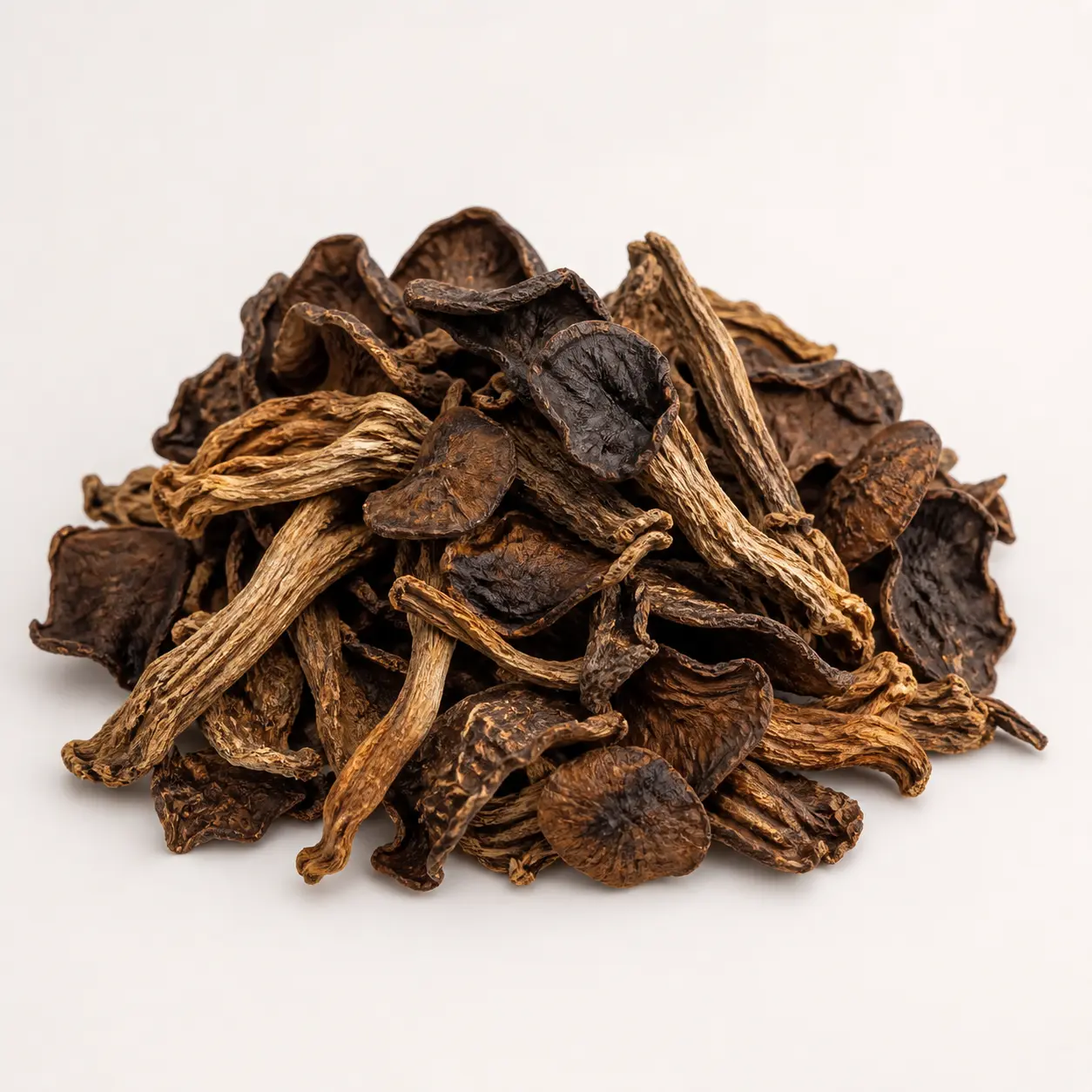
Dried Fungus
Black Fungus
Clean and well-selected dried black fungus suitable for food service and retail resale.
Wholesale price
$15.62/lb
$34.43/kg
Market reference
Approx. $59–80/kg
Need wholesale support?
Contact Fungi Origin for pricing, product inspection, pickup, GTA delivery, or courier shipping across Canada and the US for bulk dried mushroom orders.
Contact Us