Chanterelle Mushroom
Chanterelle vs Morel Mushrooms: Which to Buy and When
Chanterelles vs morels — flavor, season, price, and best uses compared. The honest comparison Canadian buyers actually need before stocking either premium mushroom.
By Editorial Team
Food sourcing and kitchen operations specialists covering ingredient procurement, storage science, and commercial kitchen efficiency across Canada.
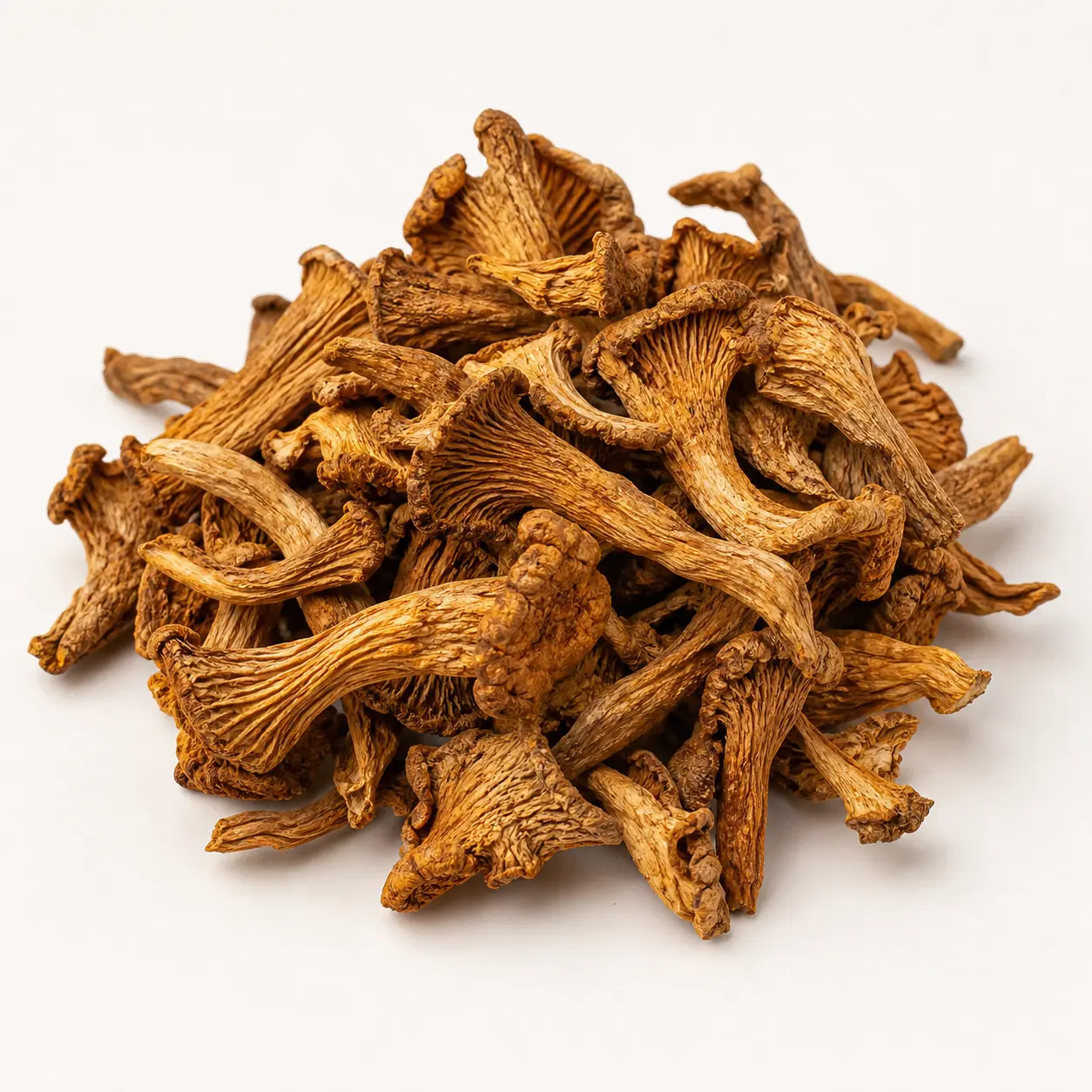
Chanterelles and morels are two of the most prestigious wild-foraged dried mushrooms on the Canadian market. Both command premium pricing, both appear at fine-dining restaurants, and both are routinely confused for being interchangeable when they're meaningfully different. The flavor profiles, seasonal availability, ideal applications, and culinary positioning diverge across nearly every dimension. Chanterelle mushrooms are autumn-foraged golden-yellow mushrooms with a fruity, apricot-like aroma, while morels are spring-foraged hollow-stemmed brown mushrooms with a smoky, earthy, nutty profile — both are wild-only premium ingredients but suit fundamentally different culinary applications and seasonal menu cycles.
Compare the Flavor Profiles Side by Side
The flavor difference between chanterelles and morels is one of the most distinct contrasts in the dried mushroom category. Chanterelles deliver fruity, sweet-leaning, apricot-adjacent notes; morels deliver smoky, earthy, nutty, almost lean-meaty notes. The two profiles don't substitute for each other in serious cooking applications.
Side-by-side flavor descriptors:
- Chanterelles — fruity, apricot-like, slightly peppery, delicate, sweet undertones
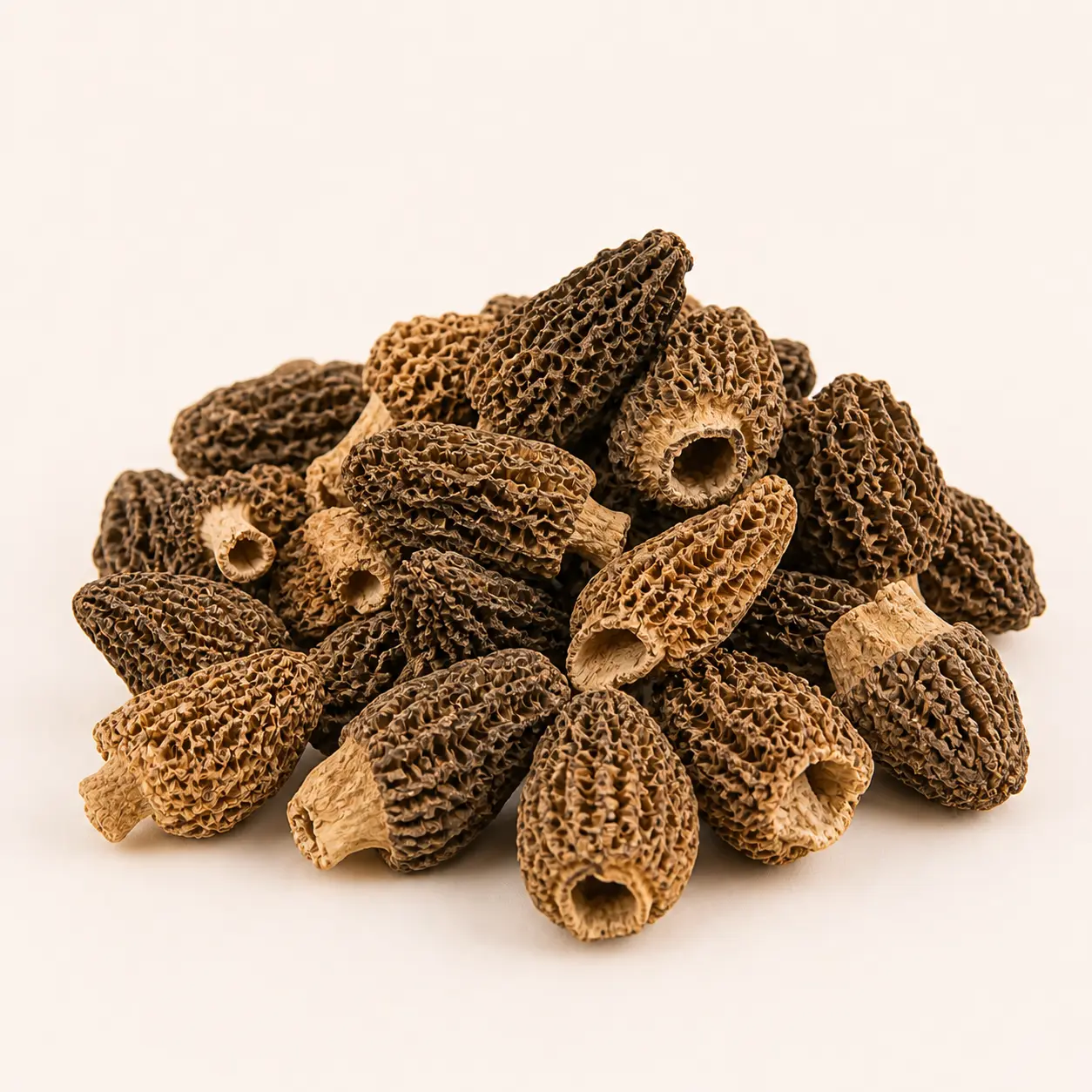
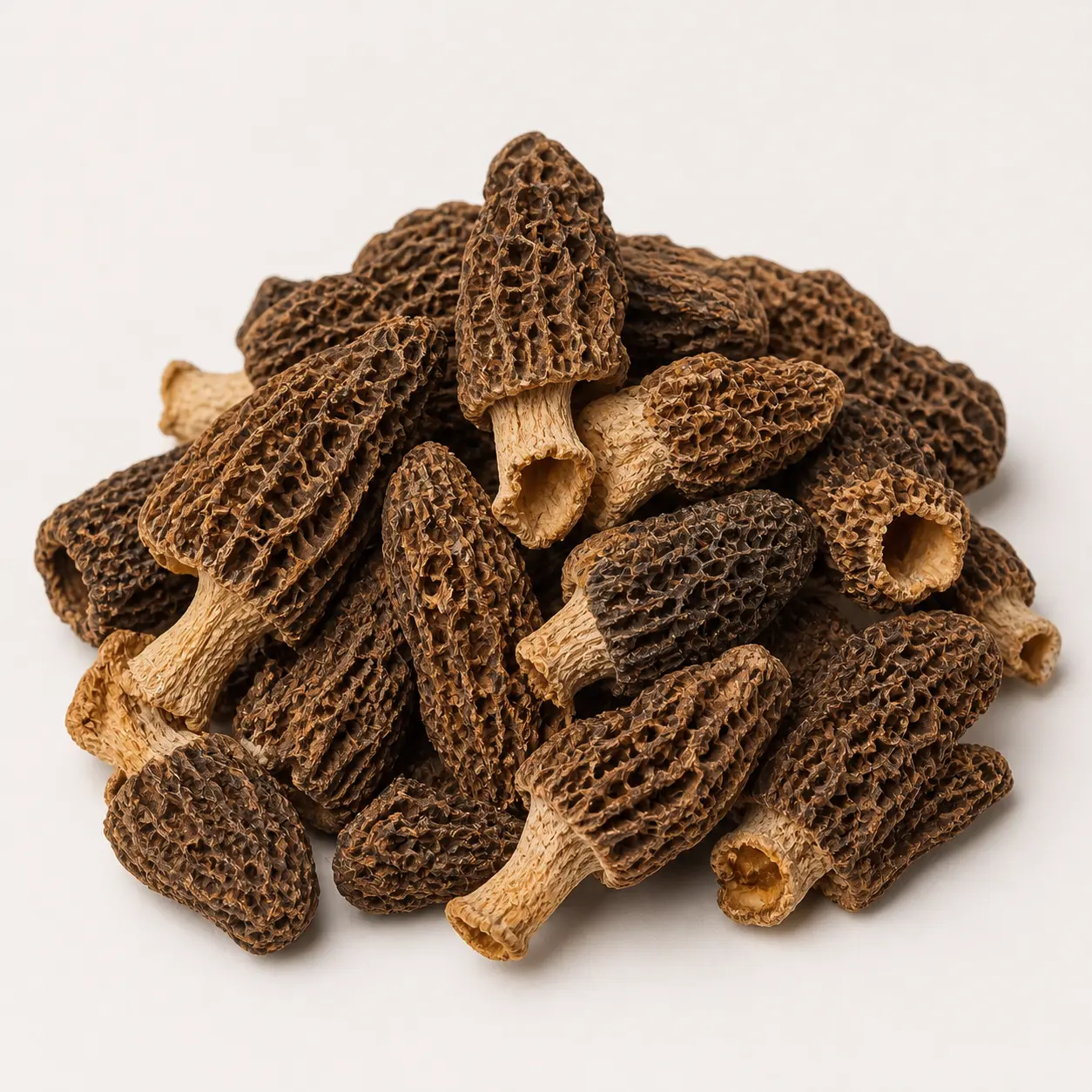
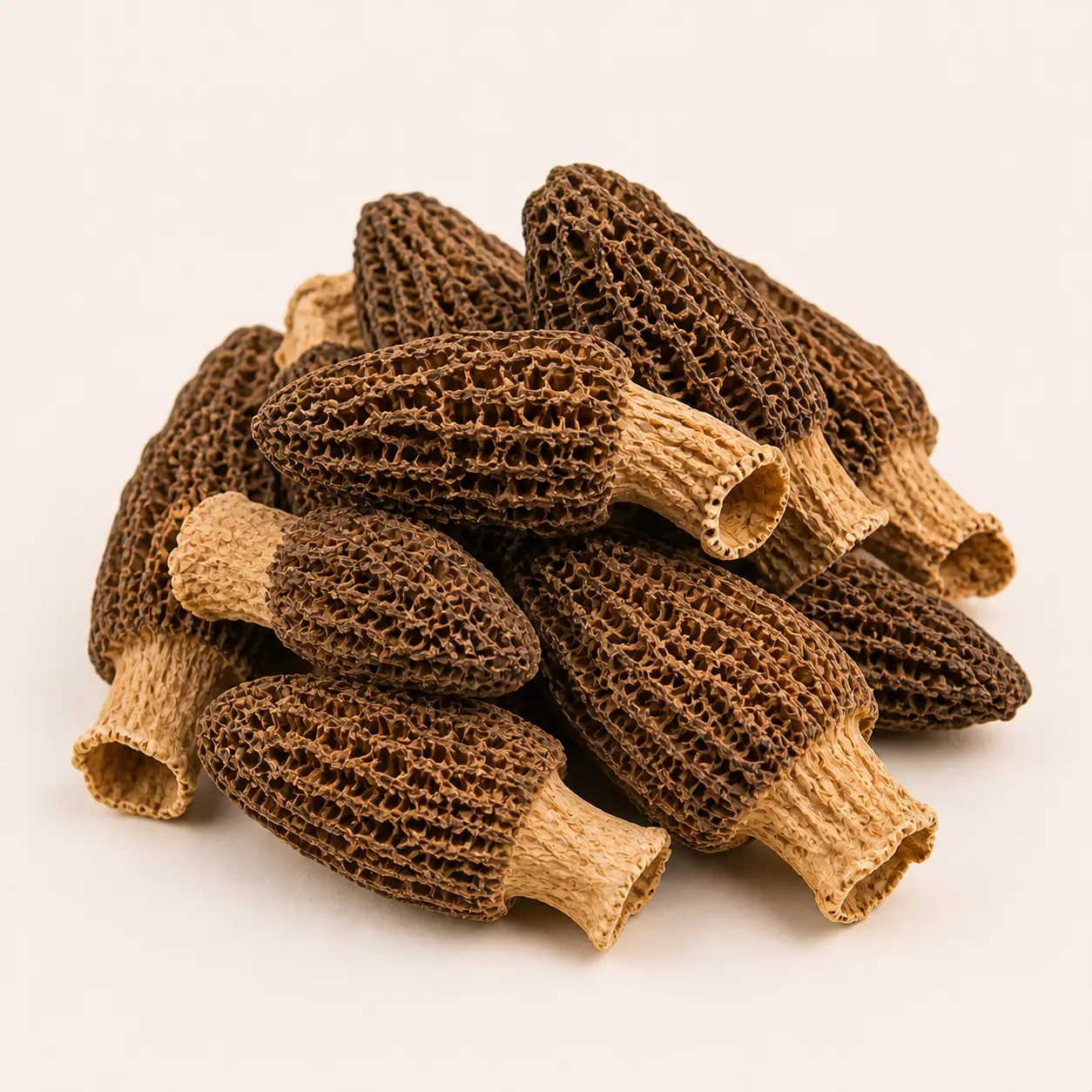
- Morels — earthy, nutty, smoky, slightly leathery, lean umami
In application, chanterelles brighten and lighten dishes; morels deepen and concentrate them. Chanterelle cream sauces taste fruity and fresh; morel cream sauces taste deep and savory. According to a 2023 sensory analysis published in Food Chemistry, the dominant aromatic compounds in chanterelles (carotenoid-derived terpenes) and morels (1-octen-3-ol and various ketones) come from different chemical families — explaining the distinct flavor profiles.
For Canadian restaurants planning autumn menus, chanterelles are the obvious choice. For spring menus, morels. For year-round menus, the two complement each other across the seasonal calendar.
Compare Seasonality and Availability
Seasonality is one of the cleanest differences between chanterelles and morels. The two mushrooms fruit in different seasons, drive different supply patterns, and align with different menu cycles.
Seasonal patterns:
- Chanterelles — fruit August–November in temperate zones (autumn-only)
- Morels — fruit March–June in temperate zones (spring-only)
- Dried chanterelle peak inventory — September–December in Canadian warehouses
- Dried morel peak inventory — May–August in Canadian warehouses
- Both — wild-foraged exclusively; weather-dependent annual yields
The complementary seasonality is actually a strategic advantage for Canadian restaurants planning year-round premium-mushroom menus. Spring features built around morels; autumn features built around chanterelles. Both wild-foraged, both premium-priced, both supporting menu storytelling around seasonal foraging.
According to 2024 Canadian foodservice purchasing data, restaurants stocking both chanterelles and morels reported 26% higher average premium-mushroom menu pricing than restaurants stocking only one of the two — the seasonal complementarity translates into pricing power across the full year.
Compare Pricing and Sourcing Economics
Both mushrooms are wild-only and premium-priced, but the pricing structures differ. Morels generally price higher than chanterelles at equivalent grade levels, partly because morel foraging is more labor-intensive and partly because supply is more constrained.
2025 Canadian wholesale pricing comparison:
- Dried chanterelles (Grade A whole) — CAD $130–$220/kg
- Dried morels (Grade A medium) — CAD $200–$280/kg
- Dried chanterelle pieces — CAD $80–$130/kg
- Dried morel pieces — CAD $130–$170/kg
- Dried jumbo morels — CAD $300–$420/kg
- Premium chanterelles (PNW Grade A) — CAD $200–$280/kg
Morels are roughly 25–35% more expensive than chanterelles at equivalent grades. For high-volume autumn applications, chanterelles' modest pricing advantage compounds. For spring applications, morels are unavoidable for the seasonal feature menu.
Both mushrooms benefit from pre-season contracting due to wild-supply volatility. Pre-season contracts typically save 12–18% versus spot-market pricing for both species.
Match Each Mushroom to Its Best Applications
The most useful framework for choosing between chanterelles and morels is application matching. Each mushroom shines in specific dishes that the other can't fully cover.
Best chanterelle applications:
- Autumn-feature cream sauces with chicken, fish, or eggs
- Risotto with autumn vegetables (squash, leeks, fennel)
- Game bird preparations (quail, partridge, pheasant, duck)
- Brunch and breakfast applications (omelets, frittatas, eggs)
- Pasta dishes featuring brown butter and sage
- Light, butter-forward, white-wine-friendly preparations
Best morel applications:
- Spring-feature cream sauces with chicken or veal
- Spring-vegetable risottos (asparagus, peas, ramps)
- Stuffed plate features (with foie gras, goat cheese, forcemeat)
- Game and red-meat preparations (rabbit, venison, beef tenderloin)
- Earthier, deeper-flavored sauce work
- Egg-based dishes where morel's smokier character suits
A practical rule: chanterelles complement delicate, brighter, autumn-flavored dishes; morels complement deeper, smoky-character, often spring-flavored dishes. Some dishes work with either (mushroom risotto, cream sauces with chicken) — but each delivers a distinctly different character.
Combine Both for Year-Round Premium Programs
Many Canadian fine dining and fine-casual restaurants stock both chanterelles and morels, deploying each in its season and reserving small inventory for off-season applications. The combined approach maintains menu range across the year while managing food cost through seasonal price advantages.
Sample year-round program for a Canadian fine dining restaurant:
- Spring (April–June) — feature morels heavily on tasting menus and à la carte
- Summer (July–August) — wind down morel features; small chanterelle starts as previews
- Autumn (September–November) — feature chanterelles heavily across menu
- Winter (December–March) — both at lower volume; either species on tasting menu only
Annual purchasing for a full-service Canadian fine-dining restaurant on this program typically runs 2–6kg morels and 3–8kg chanterelles, with combined annual specialty-mushroom spending of CAD $1,500–$3,800. This generates menu revenue typically 20–35x that amount on premium-mushroom-featured dishes.
Frequently Asked Questions
Which is more expensive, chanterelles or morels?
Morels are typically 25–35% more expensive than chanterelles at equivalent Grade A specifications. Both are wild-foraged premium ingredients, but morel foraging is more labor-intensive and morel supply is more variable year-to-year. Premium grades of either (Grade A jumbo morels, Pacific Northwest Grade A chanterelles) command meaningful premiums above standard wholesale prices.
Can I substitute chanterelles for morels in a recipe?
Substitute only when the dish leans light and delicate. Chanterelles' fruity character substitutes for morels in cream sauces, risottos, and chicken preparations — though the dish flavor will shift toward fruity-bright rather than smoky-deep. The reverse substitution (morels for chanterelles) often overwhelms dishes designed around chanterelle's lighter character. When in doubt, choose based on which season and application the dish belongs to.
Which mushroom should a beginner restaurant operator stock first?
For an operator new to premium dried mushrooms, start with chanterelles in autumn or morels in spring — whichever season aligns with your menu launch. Chanterelles are slightly more forgiving in cooking technique (less critical rehydration timing) and pair with a wider range of approachable dishes (chicken, eggs, pasta). Morels demand slightly more careful handling but earn their premium when the technique is right.
Choose Based on Season and Dish Identity
Chanterelles and morels both deserve their reputations, but neither substitutes cleanly for the other. Chanterelles suit autumn menus, fruit-and-cream-friendly dishes, lighter preparations, and brunch applications. Morels suit spring menus, deeper sauce work, classical European preparations, and richer plate compositions. Smart Canadian buyers often stock both across the year.
Browse Fungi Origin's full premium dried mushroom range including graded chanterelles and morels in whole, pieces, and powder formats — and contact wholesale for dual-cluster pricing on combined orders.
Shop this product
Buy chanterelle mushroom wholesale
Stocked in Ontario. Free GTA delivery over $350 CAD; courier shipping across Canada and to the US.
Wholesale
Dried Wild Mushrooms
Chanterelle Mushroom
High-quality dried chanterelle mushrooms with strong price advantage for bulk buyers.
Wholesale price
$30.54/lb
$67.32/kg
Market reference
Approx. $176/kg
Need wholesale support?
Contact Fungi Origin for pricing, product inspection, pickup, GTA delivery, or courier shipping across Canada and the US for bulk dried mushroom orders.
Contact Us