Cordyceps Flower
Cordyceps Flower for Soup and Hot Pot (Restaurant Guide)
Cordyceps flower in Cantonese soup tonics and premium hot pot — restaurant applications, food cost economics, and menu pricing power.
By Editorial Team
Food sourcing and kitchen operations specialists covering ingredient procurement, storage science, and commercial kitchen efficiency across Canada.
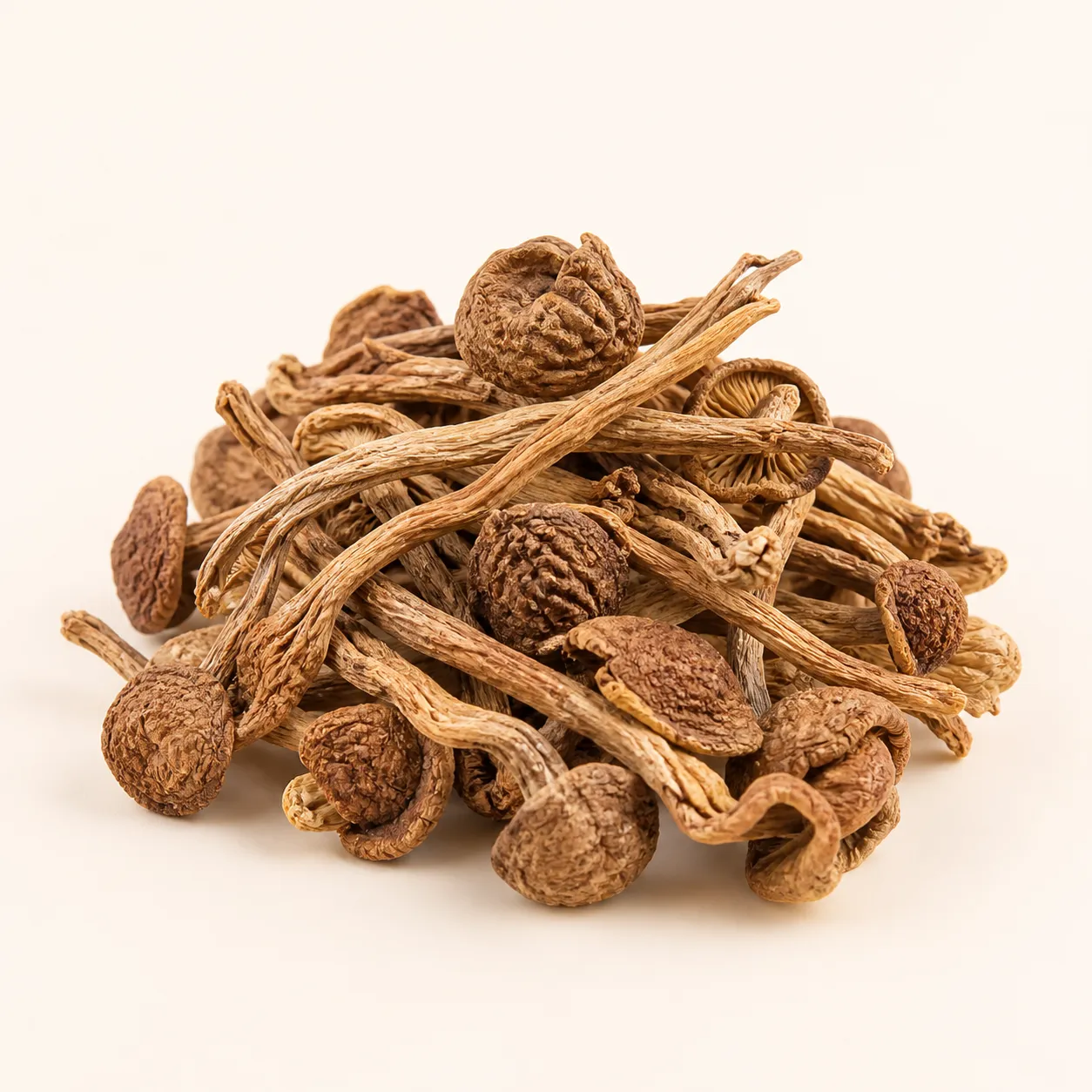
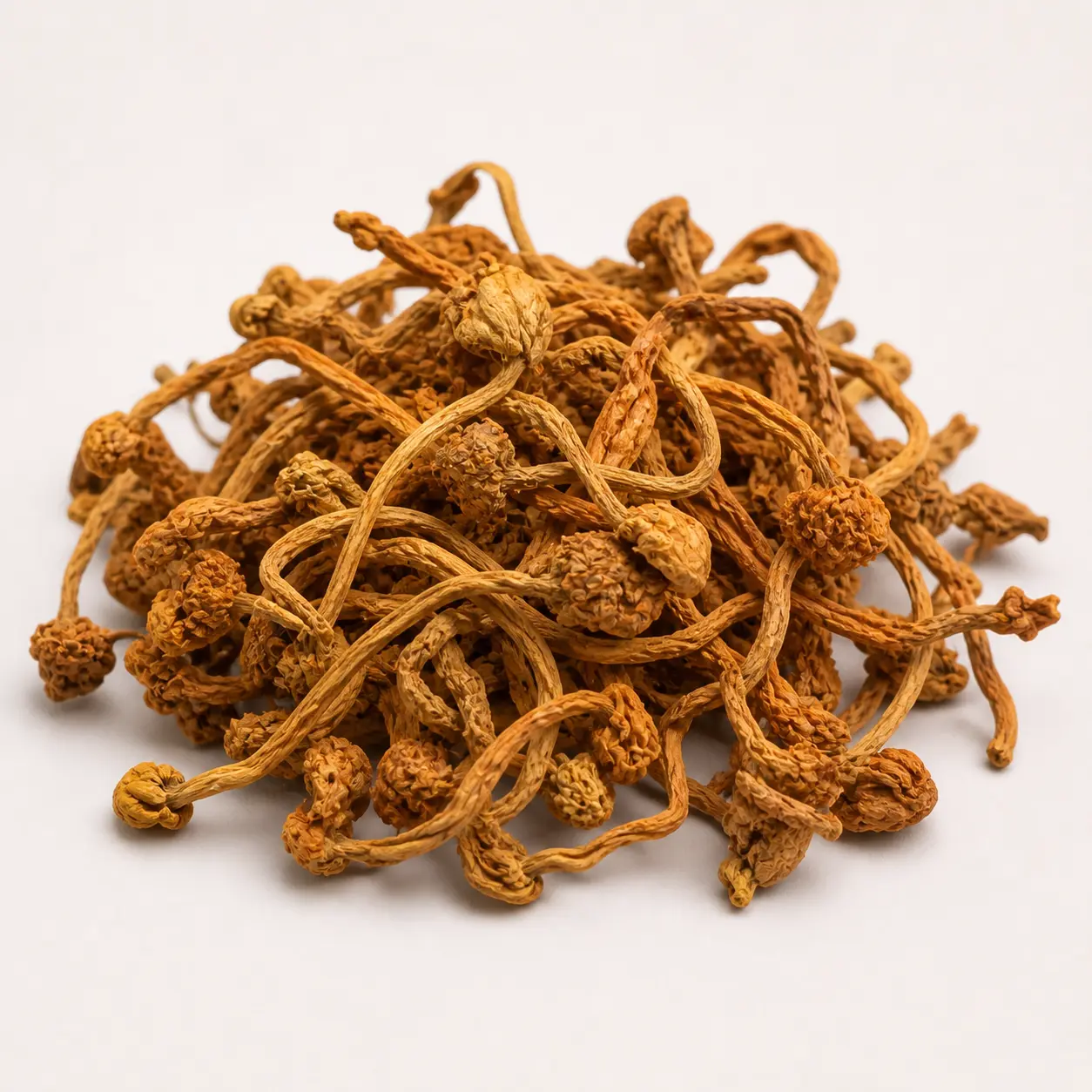
Soup and hot pot together represent over 70% of cordyceps flower commercial use in Canadian Asian-cuisine restaurants. The two applications reflect different culinary traditions — Cantonese double-boiled soup tonics and Sichuan/Cantonese premium hot pot — but both leverage cordyceps flower for the same core attributes: visual identity, traditional medicinal positioning, and gentle wellness storytelling that supports premium menu pricing. Cordyceps flower in soup and hot pot applications uses 8–20g of dried Cordyceps militaris per 4-person preparation, contributing the bright orange visual identity and traditional Chinese medicinal positioning that supports menu pricing premium of CAD $4–$12 over equivalent cordyceps-free preparations.
Build Cantonese Double-Boiled Soup Programs
Double-boiled soup tonics (双煲汤, shuang bao tang) are one of the most-distinctive Cantonese restaurant categories — slow-cooked clear soups built around lean proteins and traditional herbs. Cordyceps flower has become an increasingly common premium ingredient in these soups across Canadian Cantonese restaurants.
Cantonese cordyceps soup applications:
- Cordyceps flower with chicken (虫草花炖鸡) — classic family-recovery soup
- Cordyceps flower with pork ribs — common everyday tonic preparation
- Cordyceps flower with pork lung — traditional Cantonese specialty
- Cordyceps flower with fish maw — premium banquet soup
- Cordyceps flower with American ginseng — wellness-tonic combination
- Mixed mushroom tonic — cordyceps with shiitake, lion's mane, and other species
Restaurant technique: rinse cordyceps flower briefly, add to cold water with proteins and herbs, slow-simmer (or double-boil) 3–4 hours minimum. The cordyceps releases color and gentle flavor across the long cook; visual is golden-orange broth with bright orange strands suspended.
According to a 2024 Canadian Cantonese-restaurant menu survey, double-boiled cordyceps soup appears on the menus of approximately 60% of high-end Cantonese restaurants, with average menu pricing of CAD $14–$24 for individual soup preparations and CAD $35–$65 for shared family-size servings.
Position Cordyceps in Premium Hot Pot Programs
Premium hot pot restaurants increasingly feature cordyceps flower as a differentiator versus standard hot pot concepts. The ingredient signals premium positioning, traditional medicinal roots, and Asian fine-dining sensibility.
Premium hot pot cordyceps applications:
- Cordyceps-chicken broth — wellness-positioned premium broth option
- Cordyceps-mushroom broth — vegetarian-friendly premium broth
- Side ingredient platter feature — guests add to broth at table
- Tasting-menu hot pot courses — featured cordyceps flower as showcase
- Premium bone-broth enrichment — cordyceps added to traditional broths
- Half-and-half pots (鸳鸯) — cordyceps in one of two paired broths
For Canadian premium hot pot restaurants featuring cordyceps flower, the ingredient supports menu pricing power. A "cordyceps wellness broth" option typically commands CAD $8–$15 broth-upgrade premium over standard broths; a cordyceps-featured tasting course at a premium hot pot restaurant carries CAD $25–$45 menu pricing.
According to a 2024 Canadian premium hot pot operator survey, restaurants featuring cordyceps flower on broth and ingredient menus reported 18% higher average ticket per cover than competing premium hot pot operators without the wellness ingredient programming.
Calculate Restaurant Quantities and Food Cost
Cordyceps flower consumption in soup and hot pot service is more standardized than in many other applications. The textural and visual roles mean portion sizes follow predictable patterns.
Standard restaurant portion guidelines:
- Cantonese double-boiled soup, 4-person serving — 12–18g dried cordyceps flower
- Individual soup preparation — 3–6g dried cordyceps per bowl
- Hot pot, 4-person session — 8–15g dried cordyceps per pot or platter
- Premium broth-only feature — 8–12g dried cordyceps per pot
- Tasting menu course — 4–8g dried cordyceps per course portion
For a Canadian Cantonese restaurant featuring cordyceps soup as a regular menu item, monthly cordyceps consumption typically runs 0.5–2kg, depending on menu prominence and customer demand. At 2025 wholesale pricing of CAD $90–$140/kg for whole Grade A cordyceps flower, that's a CAD $45–$280 monthly ingredient line — modest against the menu revenue cordyceps soups generate.
Coordinate Cordyceps With Other Asian Restaurant Mushrooms
Restaurants stocking cordyceps flower typically use it alongside shiitake, wood ear, and sometimes lion's mane in their broader Asian mushroom program. The mushrooms complement each other across menu applications.
Multi-mushroom restaurant programs:
- Shiitake — daily workhorse for sauces, stir-fries, broths
- Wood ear — textural variety in stir-fries, hot pot, cold dishes
- Cordyceps flower — premium soups and wellness-positioned items
- Lion's mane — modern plant-based menu items
- Snow fungus — desserts and beauty-themed soups
Single-supplier sourcing across these categories simplifies operations and unlocks meaningful pricing advantages — typically 6–12% multi-cluster pricing improvements versus single-cluster contracting. Most Canadian Asian-cuisine restaurants benefit from consolidating their dried mushroom purchasing with one or two direct importers.
Develop Wellness-Themed Menu Programming
The wellness angle is one of cordyceps flower's strongest commercial assets. Restaurants leveraging this positioning effectively command premium pricing on cordyceps-featured items.
Wellness-themed menu approaches:
- "Wellness tonic" soup section featuring cordyceps and other functional mushrooms
- Daily wellness specials — chef's daily soup featuring cordyceps and seasonal additions
- Cordyceps soup tasting menu — multi-course exploration of traditional Chinese medicinal cuisine
- Pre/post-menu language — "supports vitality and wellness" with appropriate regulatory caution
- Educational table tents — explaining cordyceps' traditional and modern positioning
- Pairing with seasonal herbs and proteins for variety across the year
Caution on health claims: Canada has specific regulations about food-related health claims through Health Canada and Canadian Food Inspection Agency. Menu language should describe traditional use and ingredient profile without making medical or therapeutic claims. "Cordyceps flower — used in traditional Chinese cuisine for wellness and vitality" works in most contexts; "Cordyceps flower — clinically proven to boost energy and immunity" doesn't.
Frequently Asked Questions
How much cordyceps flower should a restaurant order monthly?
A Canadian Cantonese restaurant featuring cordyceps soup regularly typically uses 0.5–2kg dried cordyceps flower monthly. Premium hot pot restaurants featuring cordyceps in multiple broths may use 1–4kg monthly. Smaller operations testing the category with one menu item may use only 200–500g monthly. Order quantities scale with menu prominence and customer adoption.
Does cordyceps flower lose flavor in long-cooked soups?
No, cordyceps flower's mild flavor profile actually intensifies slightly across long cooking times — particularly the 3–4 hour double-boil that defines traditional Cantonese soup preparation. The orange color also deepens during long cooking, contributing to the visual richness of finished tonic soups. Cordyceps is one of the better dried mushrooms for long-cook applications because of this characteristic.
Can I use cordyceps flower in non-Asian-cuisine soups?
Yes, cordyceps flower can work in non-Asian soup applications — particularly modern wellness-positioned soup programs at fine dining or fine-casual restaurants. Pumpkin soup with cordyceps, root-vegetable broths, and modern fusion preparations all incorporate cordyceps. The wellness positioning translates across cuisines, and the visual orange identity adds menu interest. Pair with mild flavors that don't mask cordyceps' delicate character.
Build a Cordyceps Flower Soup and Hot Pot Program
Cordyceps flower delivers strong commercial value in soup and hot pot applications — premium pricing power, wellness positioning, traditional Chinese medicinal positioning, and visual differentiation. Combined with appropriate quantities, multi-mushroom program coordination, and careful menu language, cordyceps elevates soup and hot pot programs across Canadian Asian-cuisine and modern fusion restaurant concepts.
Contact the Fungi Origin Asian-restaurant team for cordyceps flower pricing, multi-cluster Asian mushroom contracts, and restaurant program consultation tailored to your soup and hot pot menu.
Shop this product
Buy cordyceps flower wholesale
Stocked in Ontario. Free GTA delivery over $350 CAD; courier shipping across Canada and to the US.
Wholesale
Dried Specialty Goods
Cordyceps Flower
Quality dried cordyceps flower suitable for soups, restaurants, and bulk resale.
Wholesale price
$15.62/lb
$34.43/kg
Market reference
Approx. $57–108/kg
Need wholesale support?
Contact Fungi Origin for pricing, product inspection, pickup, GTA delivery, or courier shipping across Canada and the US for bulk dried mushroom orders.
Contact Us