Cordyceps Flower
Cordyceps Flower in TCM Diets (Traditional Chinese Medicine Cuisine)
How cordyceps flower fits in TCM-aligned diets — qi-tonifying soups, post-illness recovery, family wellness routines. Traditional and modern applications.
By Editorial Team
Food sourcing and kitchen operations specialists covering ingredient procurement, storage science, and commercial kitchen efficiency across Canada.
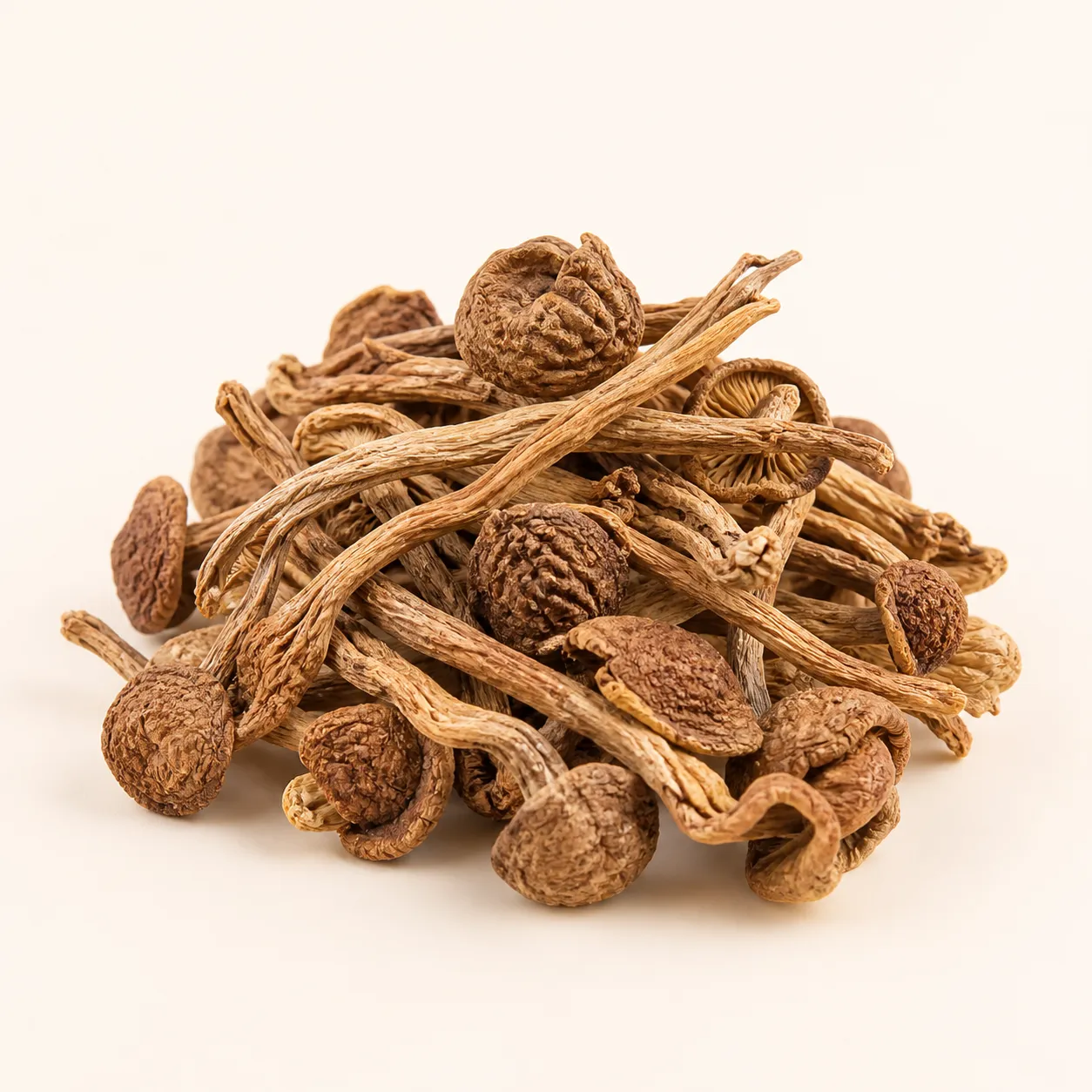
Traditional Chinese medicine (TCM) has used cordyceps for over 1,500 years — primarily wild Cordyceps sinensis in classical formulations, and increasingly cultivated cordyceps flower (Cordyceps militaris) in modern accessible applications. The TCM framework around cordyceps shapes how Chinese-Canadian families and restaurants use the ingredient at home and on menus, and understanding this framework helps both Asian-cuisine retailers and chefs serve TCM-conscious customers well. Cordyceps flower is positioned in TCM-aligned diets as a qi-tonifying (補氣) and lung-supporting ingredient, used in post-illness recovery soups, family wellness routines, seasonal-transition meals, and traditional banquet preparations — typically combined with complementary TCM ingredients (goji, jujubes, lung tonics, or qi-supporting proteins) in slow-cooked soup formats.
Understand the TCM Framework for Cordyceps
The TCM approach to food uses different categorizations than Western nutrition science. Foods are classified by energetic properties — warming/cooling, yin/yang, qi-tonifying, blood-supporting — rather than just by macro and micronutrients. Cordyceps occupies a specific position in this framework that shapes its traditional uses.
TCM positioning of cordyceps:
- Energetic nature — neutral to slightly warming
- Qi-tonifying (補氣) — supports vital energy and vitality
- Lung-supporting — traditional use for respiratory wellness
- Kidney-supporting (補腎) — TCM kidney concept (different from Western kidney)
- Yang-tonifying — balanced rather than aggressive yang support
- Suitable for daily use — gentle profile fits long-term consumption
This TCM positioning explains why cordyceps appears traditionally in specific contexts — post-illness recovery (when qi has been depleted), seasonal transitions (when respiratory and immune support is welcomed), winter dietary programs (when warming and tonifying foods are favored), and family wellness routines for elderly and growing children alike.
For Canadian Asian-cuisine restaurants and Asian-grocery retailers, knowing this TCM framework helps explain why customers buy cordyceps for specific occasions and seasons rather than as a regular weekly purchase.
Match Cordyceps With TCM-Aligned Companion Ingredients
TCM-aligned cooking emphasizes ingredient combinations that work synergistically within the energetic framework. Cordyceps pairs traditionally with specific companions that complement and balance its properties.
Common TCM companion ingredients:
- Goji berries (枸杞) — yin-tonifying, blood-supporting, sweet
- Red dates / jujubes (红枣) — qi-tonifying, mild warming, blood-supporting
- American ginseng (西洋参) — yin-tonifying, cooling balance to cordyceps
- Astragalus root (黄芪) — qi-tonifying, lung-supporting
- Dang gui (当归) — blood-tonifying, female-wellness-positioned
- Chinese yam (山药) — kidney and spleen-supporting
- Lily bulb (百合) — lung-cooling, yin-supporting
- Mu er / wood ear — blood-circulating in TCM framework
These ingredients combine in classical TCM-aligned soup recipes that have been refined over centuries. Modern Canadian Cantonese restaurants featuring cordyceps soups often use these combinations directly from traditional family recipes or TCM-aligned cookbooks.
Build Seasonal and Recovery-Focused Programs
TCM dietary practice varies by season and individual life-stage. Cordyceps appears in specific seasonal and life-stage contexts that frame how restaurants and grocers should think about ingredient programming.
Seasonal TCM applications for cordyceps:
- Autumn-winter — most-prominent cordyceps season; warming tonic positioning
- Post-Lunar New Year (cleansing period) — cordyceps as part of restorative menus
- Spring (yang-rising) — moderate cordyceps use balancing emerging warmth
- Summer — minimal cordyceps in TCM frameworks; cooler ingredients preferred
Life-stage TCM applications:
- Post-illness recovery — cordyceps soups support qi rebuilding
- Post-childbirth ("sitting the month") — cordyceps in postpartum wellness preparations
- Elderly family members — daily cordyceps as gentle tonic
- Pre-exam student support — cordyceps for energy and vitality
- Wedding and milestone celebrations — cordyceps in banquet preparations
Canadian Asian-grocery operators serving TCM-aligned customers see consumption patterns that follow these seasonal and life-stage rhythms — quiet summer months, busy autumn through Lunar New Year, post-CNY restorative programming, and continuous demand for life-stage applications.
Develop TCM-Themed Menu Programming for Restaurants
Modern Canadian Cantonese, Hong Kong-style, and Asian fine dining restaurants increasingly develop TCM-themed menu programming as a wellness-driven differentiator. Cordyceps anchors many of these programs.
TCM-themed menu approaches:
- Daily wellness soup specials — chef's daily soup featuring TCM-aligned ingredients
- Seasonal tonic menus — quarterly menu programs aligned with TCM seasonal frameworks
- "Sitting the month" postpartum catering programs — specialized menus for new mothers
- Wellness tasting menus — multi-course exploration of TCM-aligned cuisine
- Family-recovery soup programs — large-format soups for take-out wellness positioning
- Pre-banquet TCM consultation — for premium banquet operations
These programs require chef investment in TCM cuisine knowledge and customer education through menu language and server training. Canadian operations executing TCM-themed programming well see meaningful customer loyalty and pricing power — wellness-driven diners willing to pay premium pricing for ingredients and preparations that align with their dietary philosophies.
Educate Customers on TCM Cuisine Authenticity
Canadian customers' TCM cuisine literacy varies dramatically. Some customers come from deeply TCM-aligned family backgrounds; others encounter TCM ingredients through wellness trends without understanding the underlying framework. Both audiences benefit from education that respects both authenticity and accessibility.
Customer education approaches:
- Menu language — explain ingredients' traditional positioning clearly
- Table tents — short cards explaining cordyceps' TCM context
- Server training — staff able to explain "why we use cordyceps" to curious diners
- Chef's notes on tasting menus — narrative connecting dishes to traditional frameworks
- Cultural sensitivity — avoid oversimplification that flattens centuries of tradition
- Regulatory caution — describe traditional positioning, not medical claims
Educated customers become repeat customers. According to a 2024 Canadian Asian fine dining customer survey, customers who reported strong understanding of restaurant TCM-themed menu items returned 2.3x more frequently than customers who didn't grasp the menu programming context.
Frequently Asked Questions
Is cordyceps flower acceptable in traditional TCM applications?
Many TCM practitioners increasingly accept cultivated cordyceps flower (Cordyceps militaris) for modern formulations and dietary applications, particularly given the supply and sustainability challenges with wild Cordyceps sinensis. However, some traditional purists insist on wild Cordyceps sinensis for specific historical preparations. For most contemporary culinary and wellness uses, cordyceps flower is acceptable and increasingly preferred for its higher cordycepin content, reliability, and cost-accessibility.
How often should I include cordyceps in a TCM-aligned diet?
TCM dietary practice typically uses cordyceps episodically rather than daily — particularly during seasonal transitions, post-illness recovery periods, or specific life-stage applications. A typical TCM-aligned home cooking pattern might include cordyceps 1–3 times per week during cooler months, with reduced frequency in summer when cooling ingredients are favored. Daily consumption is acceptable but not particularly emphasized in classical TCM frameworks.
Can non-Asian customers benefit from TCM-aligned cordyceps preparations?
Yes, TCM-aligned cordyceps preparations work well across cultural backgrounds when customers approach them with curiosity and openness. The slow-cooked clear soup format, the gentle wellness positioning, and the traditional ingredient pairings (goji, jujubes, mild proteins) appeal broadly. Canadian Asian fine dining and modern wellness restaurants serving cordyceps preparations report substantial non-Asian customer adoption, particularly for wellness-themed tasting menus and family-style soup programs.
Build TCM-Aligned Cordyceps Programs Authentically
TCM-aligned cordyceps programming combines traditional ingredient knowledge, seasonal and life-stage framing, thoughtful menu development, and customer education. Canadian Cantonese, Hong Kong-style, and Asian fine dining restaurants executing this programming well differentiate themselves in increasingly competitive markets while serving the genuine TCM-conscious customer base meaningfully.
Browse Fungi Origin's cordyceps flower selection — graded for TCM-quality color and aroma, with traditional Chinese cuisine companion ingredients (goji, jujubes, lily bulb, snow fungus, and other classical TCM-aligned products) available through the same wholesale relationship.
Shop this product
Buy cordyceps flower wholesale
Stocked in Ontario. Free GTA delivery over $350 CAD; courier shipping across Canada and to the US.
Wholesale
Dried Specialty Goods
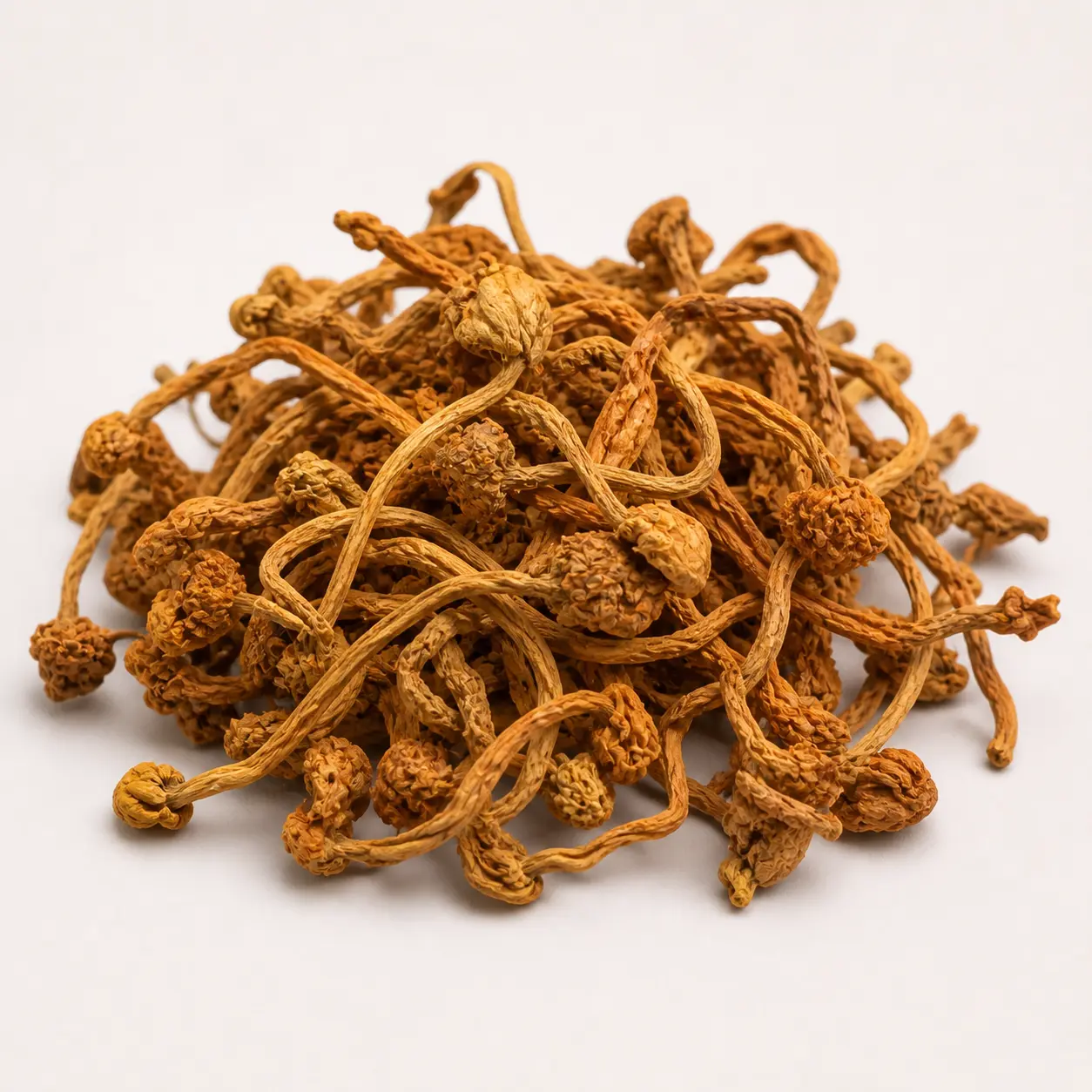
Cordyceps Flower
Quality dried cordyceps flower suitable for soups, restaurants, and bulk resale.
Wholesale price
$15.62/lb
$34.43/kg
Market reference
Approx. $57–108/kg
Need wholesale support?
Contact Fungi Origin for pricing, product inspection, pickup, GTA delivery, or courier shipping across Canada and the US for bulk dried mushroom orders.
Contact Us