Cordyceps Flower
How to Cook Cordyceps Flower (Soups, Stir-Fries, and Tonics)
Five ways to cook with cordyceps flower — Cantonese double-boiled soup, hot pot, stir-fry, herbal tea, and modern fusion. Restaurant and home techniques.
By Editorial Team
Food sourcing and kitchen operations specialists covering ingredient procurement, storage science, and commercial kitchen efficiency across Canada.
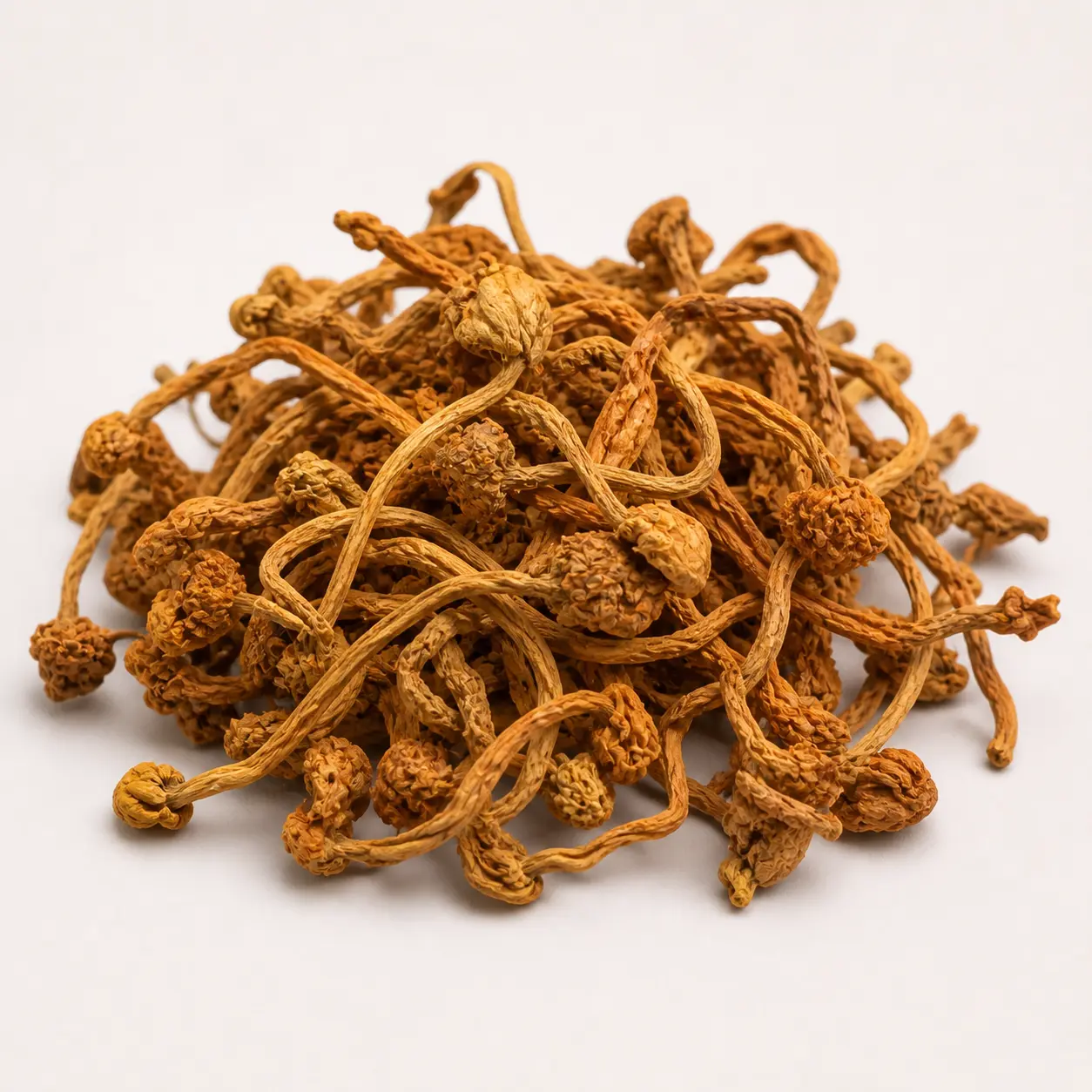
Cordyceps flower is one of the more application-specific dried mushrooms in the Asian-cuisine pantry — its visual identity (bright orange strands), mild flavor, and traditional Chinese medicinal positioning shape where and how it works in cooking. Five core applications cover virtually every restaurant and home use of the ingredient. Cordyceps flower is cooked across five core applications — Cantonese double-boiled soup tonics, hot pot ingredients, herbal teas and broths, stir-fries with mild proteins, and modern Asian fusion dishes — with the cooking goal usually being to release color and mild flavor while preserving the mushroom's distinctive orange visual identity.
Master the Cantonese Double-Boiled Soup
The single most-traditional application of cordyceps flower is in Cantonese double-boiled soup tonics — slow-cooked clear soups built around lean meat (chicken, pork ribs, lean pork), aromatic herbs, and a small amount of cordyceps flower for both flavor and traditional medicinal positioning.
Standard double-boiled cordyceps soup for 4:
- 15g dried cordyceps flower (rinsed, no rehydration needed)
- 500g chicken or pork ribs, blanched
- 20g goji berries (枸杞)
- 15g red dates (jujubes, 红枣), pitted
- 15g dried longan (optional)
- 2L cold water
- Salt to taste at end
Technique:
- Place all ingredients in a heavy ceramic or porcelain double-boiler
- Cover with cold water and seal with the inner lid
- Place double-boiler in larger pot with 5cm of boiling water
- Simmer covered for 3–4 hours
- Don't disturb the inner pot during cooking
- Season at the end with minimal salt — let the natural flavors lead
This dish carries cultural significance in Cantonese cuisine — often served for new mothers, post-illness recovery, family wellness occasions, and traditional banquet menus. According to a 2024 Canadian Cantonese-restaurant menu survey, double-boiled cordyceps soup appears on the menus of approximately 60% of high-end Cantonese restaurants in major Canadian cities.
Use Cordyceps Flower in Hot Pot Service
Cordyceps flower has found growing use in Canadian hot pot restaurants, particularly higher-end and "premium" hot pot concepts that feature traditional Chinese medicinal-cuisine positioning. The bright orange strands are visually striking on hot pot platters.
Hot pot cordyceps applications:
- Broth ingredient — added to the simmering broth as a base flavoring
- Topping ingredient — guests add to broth at the table for visual impact
- Premium specialty broth — chicken-cordyceps broths positioned as wellness-themed
- Tasting-menu hot pot courses — featured cordyceps flower as a centerpiece ingredient
Hot pot cordyceps preparation: rinse dried strands in cool water, drain, present on hot pot platters alongside other ingredients. Add to broth and simmer 2–4 minutes for guest consumption. The mushroom doesn't require pre-rehydration like wood ear or shiitake — its delicate strand structure rehydrates quickly in hot broth.
For a Canadian premium hot pot restaurant featuring cordyceps flower, monthly consumption typically runs 0.5–2kg — modest volume but high-margin given the menu pricing power of cordyceps-featured items.
Brew Cordyceps Flower Tea and Herbal Broths
Cordyceps flower tea is one of the fastest-growing applications in Canadian wellness markets. The format is simple, the visual is striking (the brewed liquid is golden-orange), and the wellness positioning resonates with consumers seeking functional beverages.
Standard cordyceps flower tea preparation:
- 3–5g dried cordyceps flower per 250ml water
- Bring water to 90°C (just below boiling)
- Add cordyceps flower strands
- Steep 8–12 minutes for first infusion
- Re-steep 2–3 times with progressively longer steeps
- Optional additions — goji berries, ginger, longan, honey, jujubes
The first infusion is mild and fragrant; subsequent infusions become slightly deeper in flavor. Some wellness brands and tea shops in Canada offer pre-blended cordyceps tea products combining cordyceps flower with goji, chrysanthemum, and other traditional Chinese herbal ingredients. For functional beverage applications (in addition to tea), cordyceps flower powder works better than whole strands.
Add Cordyceps Flower to Stir-Fries with Mild Proteins
Stir-fry application is less traditional but increasingly common in modern Canadian Chinese restaurants. The orange strands provide unusual visual contrast in standard stir-fry compositions.
Best stir-fry pairings:
- Cordyceps flower with chicken and vegetables — light, mild stir-fry
- Cordyceps flower with shrimp and asparagus — modern wellness-themed
- Cordyceps flower with vegetables and tofu — vegetarian wellness-themed
- Cordyceps flower with eggs and Chinese chives — simple home-style
- Cordyceps flower with lean pork strips — Cantonese restaurant-style
Stir-fry technique: rinse cordyceps flower briefly in cool water (no full rehydration), add to wok in the last 2–3 minutes of cooking with aromatics, finish with light Cantonese-style sauce (oyster sauce, soy, white pepper). Don't overcook — extended high heat damages the strands and dulls the orange color that's part of the visual appeal.
Develop Modern Asian Fusion Applications
Modern Canadian Asian fusion restaurants have expanded cordyceps flower applications beyond traditional uses, often featuring the mushroom in tasting-menu courses, cocktail garnishes, and creative culinary presentations.
Modern fusion applications:
- Cordyceps flower as visual garnish on plated dishes for color contrast
- Cordyceps-infused oils for finishing dishes
- Cordyceps flower in steamed egg custard (chawan-mushi style)
- Cordyceps flower in pumpkin soup for wellness-themed autumn menus
- Cocktail garnishes for Asian-inspired beverage programs
- Tasting-menu courses highlighting cordyceps' wellness story
These modern applications drive premium pricing on tasting-menu courses and showcase plates, often supporting CAD $4–$10 menu upcharges over equivalent dishes without the wellness ingredient. The visual impact of bright orange cordyceps strands against neutral-colored dishes makes them strong photography subjects for Instagram and food media.
Frequently Asked Questions
Does cordyceps flower need to be rehydrated before cooking?
Cordyceps flower's delicate strand structure absorbs liquid quickly during cooking, so pre-rehydration isn't strictly necessary for soup, hot pot, or tea applications — the cooking liquid handles rehydration in real-time. For stir-fry applications, a brief 5-minute cool-water rinse softens the strands enough for high-heat cooking. The full overnight rehydration that's standard for porcini and shiitake isn't needed for cordyceps flower.
Can I drink the cordyceps soup or tea every day?
Daily cordyceps soup or tea consumption at standard amounts (5–15g dried cordyceps per preparation) is well-tolerated in available research. Many traditional Chinese family wellness routines include daily cordyceps-containing soups. People on anticoagulant or immunosuppressant medications should consult healthcare providers before substantial daily use; otherwise, daily culinary consumption fits comfortably within normal dietary practice.
What flavor does cordyceps flower add to dishes?
Cordyceps flower adds mild, subtly earthy, slightly sweet flavor with herbal undertones — not a dominant flavor. Its role in dishes is more about visual identity, traditional medicinal positioning, and gentle background flavor than about leading the flavor profile. Pair cordyceps flower with delicate proteins and clean broths where its mild character can register; aggressive seasonings or strong sauces will mask the mushroom's contribution entirely.
Build Five Cordyceps Techniques Into Your Cooking
Cantonese double-boiled soup for traditional applications, hot pot service for modern Asian-cuisine restaurants, herbal tea and broths for wellness-themed beverages, stir-fries with mild proteins for everyday use, and modern fusion applications for creative restaurants. Together these methods cover the full range of cordyceps flower's culinary potential across Canadian cuisines.
Browse Fungi Origin's cordyceps flower selection — whole strands for soup and hot pot, cut format for tea blends, and powder for wellness applications — all sourced from documented cultivation operations.
Shop this product
Buy cordyceps flower wholesale
Stocked in Ontario. Free GTA delivery over $350 CAD; courier shipping across Canada and to the US.
Wholesale
Dried Specialty Goods
Cordyceps Flower
Quality dried cordyceps flower suitable for soups, restaurants, and bulk resale.
Wholesale price
$15.62/lb
$34.43/kg
Market reference
Approx. $57–108/kg
Need wholesale support?
Contact Fungi Origin for pricing, product inspection, pickup, GTA delivery, or courier shipping across Canada and the US for bulk dried mushroom orders.
Contact Us