Black Fungus / Wood Ear
How to Store Dried Black Fungus (Best Practices Guide)
Store dried black fungus to maintain texture and freshness. Container options, temperature, humidity, shelf life, and signs your wood ear has gone bad.
By Editorial Team
Food sourcing and kitchen operations specialists covering ingredient procurement, storage science, and commercial kitchen efficiency across Canada.
Dried black fungus is one of the most storage-stable specialty mushrooms in the dry pantry — properly stored, it maintains quality for 18–24 months without quality loss. But improper storage can shorten that window dramatically, producing texture changes and aroma issues that diminish the cooking experience. The storage rules are simple, and following them protects both the dollar value of your inventory and the quality of dishes built around the ingredient. Dried black fungus is stored properly in airtight food-grade containers in cool dry storage under 21°C (70°F), away from direct light and humidity, with quality maintained for 18–24 months from harvest date when these conditions are consistently met.
Choose the Right Container Format
Container choice is the single most important storage decision for dried black fungus. The mushroom's papery, thin structure makes it particularly susceptible to humidity ingress, and the wrong container shortens shelf life dramatically.
Container options ranked best to worst:
- Glass jars with rubber-gasket seals — best protection; fully airtight; visible inventory
- Heavy plastic containers with snap-lock seals — good airtight performance; lightweight
- Original supplier packaging (resealed) — acceptable if the bag is heavy-gauge with good seal
- Standard zip-lock bags — minimum acceptable; work for short-term home storage
- Loose containers without airtight seals — avoid; humidity damages quickly
- Refrigerator or freezer storage — generally avoid; condensation creates problems
Glass jars are the gold standard for both restaurant and home storage. The visibility helps with inventory management; the airtight seal protects against humidity; the chemical inertness preserves the mushroom's natural character. Standard one-quart glass jars with rubber gasket lids are the most common kitchen storage container for premium pantry ingredients.
Manage Temperature and Light Exposure
Temperature and light exposure both affect dried black fungus shelf life. The mushroom should be stored in a cool, dark, dry location away from cooking heat sources and natural light.
Temperature and light guidelines:
- Storage temperature — under 21°C (70°F) consistently
- Avoid heat sources — never store near stoves, ovens, dishwashers, or window sills
- Light exposure — keep in dark cupboards or pantries
- Stable temperature — avoid locations with significant temperature swings
- Refrigeration — generally not needed; can introduce condensation
- Freezing — not recommended; texture changes with freeze-thaw cycles
Pantry shelf storage in a cool kitchen area is the standard for both home cooks and restaurant operators. The pantry should not be adjacent to the stove or other heat sources. According to a 2024 specialty foods storage analysis, dried mushrooms stored at consistent room temperature in airtight containers maintained quality 4–6 months longer than dried mushrooms stored in inconsistent or warm conditions.
Control Humidity Carefully
Humidity is the single largest enemy of dried black fungus storage. The mushroom's papery structure absorbs ambient moisture, and once moisture content rises above the safe threshold (around 14%), texture degrades and microbiological concerns emerge.
Humidity control practices:
- Airtight containers — fundamental humidity barrier
- Add a desiccant packet — silica gel packets extend shelf life meaningfully
- Avoid humid storage locations — basements, areas near sinks, bathrooms, laundry rooms
- Re-seal immediately after each use — don't leave containers open during prep
- Check periodically — quarterly inspection catches storage issues early
Restaurant operations often use commercial-grade airtight containers with humidity-control desiccants. Home storage in glass jars with original supplier desiccants (when included with the original packaging) achieves equivalent results for typical home volumes.
Plan for Different Pack Sizes and Operations
Storage strategy should match your operation's pack size and usage rhythm. Restaurants buying 5kg bags need different storage than home cooks buying 100g packs.
Operation-specific storage approaches:
- Home cook (50g–250g packs) — 1–2 small glass jars in pantry
- Small restaurant (1–5kg monthly use) — 2–3 large glass jars or commercial airtight containers
- High-volume restaurant (10kg+ monthly use) — large food-grade containers, batch transfer from supplier bags
- Asian grocery retailer — supplier-packaged retail SKUs in stable shelf conditions
- Distributor warehouse — palletized supplier pack with humidity-controlled storage
For high-volume restaurants, transferring 10–25kg supplier bags to multiple smaller containers (each holding 1–2 weeks' use) reduces humidity exposure to opened inventory. The container that gets opened daily has higher humidity exposure than the sealed reserve container; rotating through multiple smaller containers keeps the bulk inventory protected.
Recognize Signs That Black Fungus Has Gone Bad
Properly stored black fungus stays good for 18–24 months. Past that window, or with any storage problem, the mushroom will show characteristic deterioration signs that buyers should recognize.
Signs of aged or damaged black fungus:
- Soft or rubbery dried texture — should be papery and brittle
- Color changes — gray patches, white powdery coating, off-color spotting
- Off-odors — musty, mildewy, fishy, ammonia-like aromas
- Visible mold — white, green, or black mold growth (always discard)
- Insect activity — webbing, larvae, or visible bug damage
- Stickiness or tackiness to the touch — indicates moisture damage
If any of these signs appear, discard the lot. The cost of a single wood ear shipment is far less than the food-safety risk of using compromised product. Suppliers stand behind quality issues — established suppliers will replace clearly-damaged shipments without complaint when documented promptly.
Frequently Asked Questions
How long does dried black fungus last?
Properly stored dried black fungus maintains quality for 18–24 months from the harvest date. Storage requirements: airtight food-grade containers, cool dry storage under 21°C, no direct light, low humidity. Once opened, transfer contents to sealed labeled containers and use within 6–12 months for best texture and aroma preservation.
Can I freeze dried black fungus to extend shelf life?
Freezing dried black fungus is not recommended. The mushroom is already shelf-stable for 18–24 months at room temperature, so freezing offers no real shelf-life benefit. Freezing also introduces freeze-thaw moisture cycles that can damage the papery structure and lead to texture changes once rehydrated. Standard pantry storage in airtight containers is both simpler and better.
Should I refrigerate dried black fungus?
Refrigeration of dried black fungus is generally unnecessary and can be counterproductive. The temperature differential between refrigerator and room-temperature kitchen creates condensation when the container is opened in warm conditions, introducing humidity that damages the dried product. Standard cool, dark, dry pantry storage at consistent room temperature works better than refrigeration for nearly all home and restaurant applications.
Store Black Fungus to Preserve Its Investment
Airtight glass jars or commercial-grade containers, cool dark dry storage under 21°C, careful humidity control, immediate resealing after use, and recognition of deterioration signs. Following these practices preserves the 18–24 month shelf life that quality dried black fungus is capable of delivering — protecting both your inventory dollars and your dish quality.
Browse Fungi Origin's dried black fungus selection — packaged in heavy-gauge resealable bags with desiccant packets, supporting the storage practices outlined above.
Shop this product
Buy black fungus wholesale
Stocked in Ontario. Free GTA delivery over $350 CAD; courier shipping across Canada and to the US.
Wholesale
Dried Fungus
Black Fungus
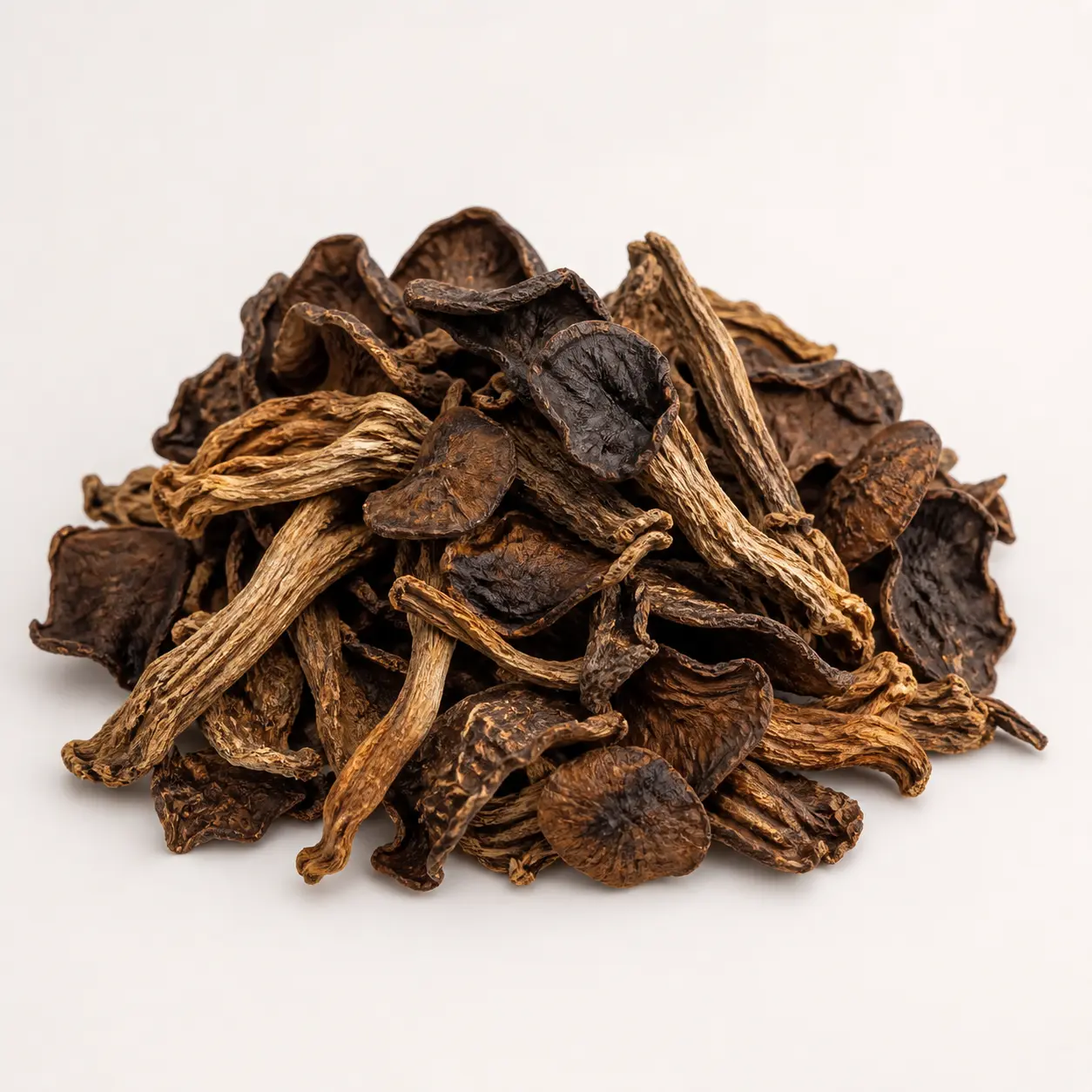
Clean and well-selected dried black fungus suitable for food service and retail resale.
Wholesale price
$15.62/lb
$34.43/kg
Market reference
Approx. $59–80/kg
Need wholesale support?
Contact Fungi Origin for pricing, product inspection, pickup, GTA delivery, or courier shipping across Canada and the US for bulk dried mushroom orders.
Contact Us