Food Distribution
Why More Canadian Food Distributors Are Adding Dried Mushrooms to Their Portfolio (2025)
Dried mushrooms offer Canadian distributors zero cold chain, 24-month shelf life, and growing demand across Asian, plant-based, and premium food service accounts.
By Fungi Origin
Wholesale dried goods specialists focused on dried mushroom sourcing, bulk supply, and Ontario food business support.
Canadian food distributors are under pressure from both ends: operating costs are rising, and buyers want more variety without more complexity. Adding a product category that requires no cold chain, carries 24-month shelf life, and serves three of the fastest-growing food service segments simultaneously is not a common opportunity.
Dried mushrooms are that category. According to the 2024 Canadian Specialty Food Association report, retail and food service demand for dried mushroom varieties in Canada grew 28% between 2021 and 2024, driven by expansion in Asian food service, plant-based dining, and premium grocery retail. Supply chain investment has not kept pace with that growth.
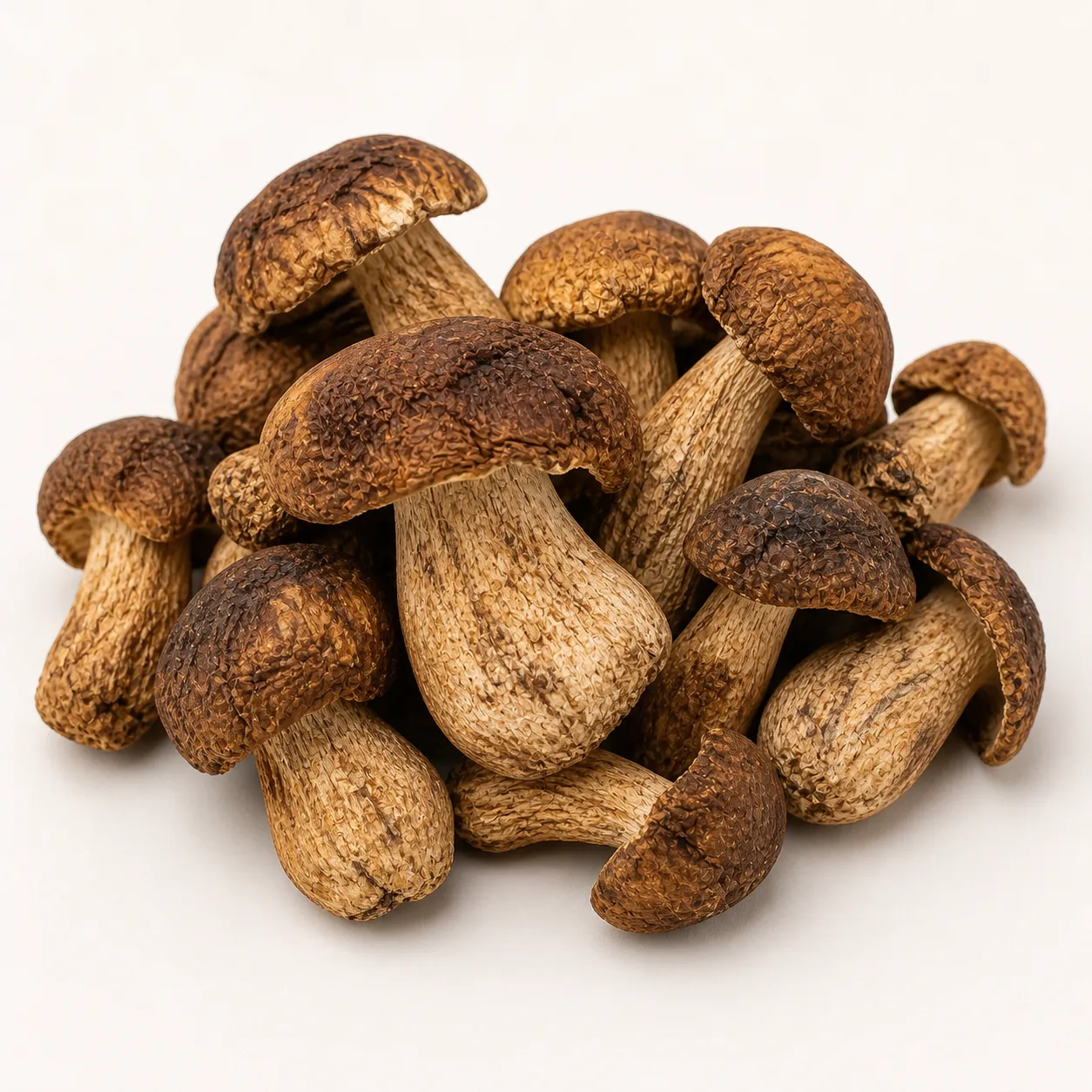
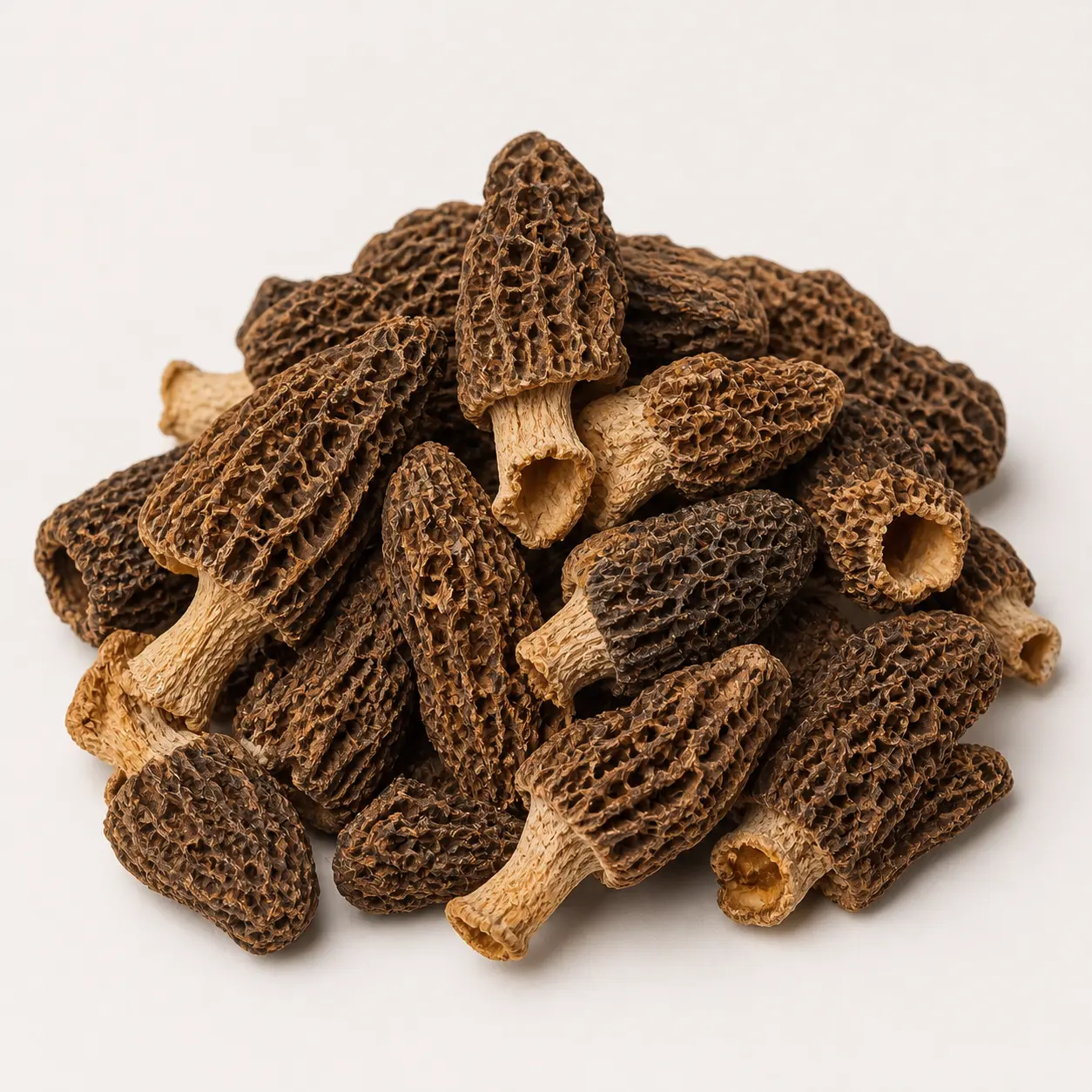
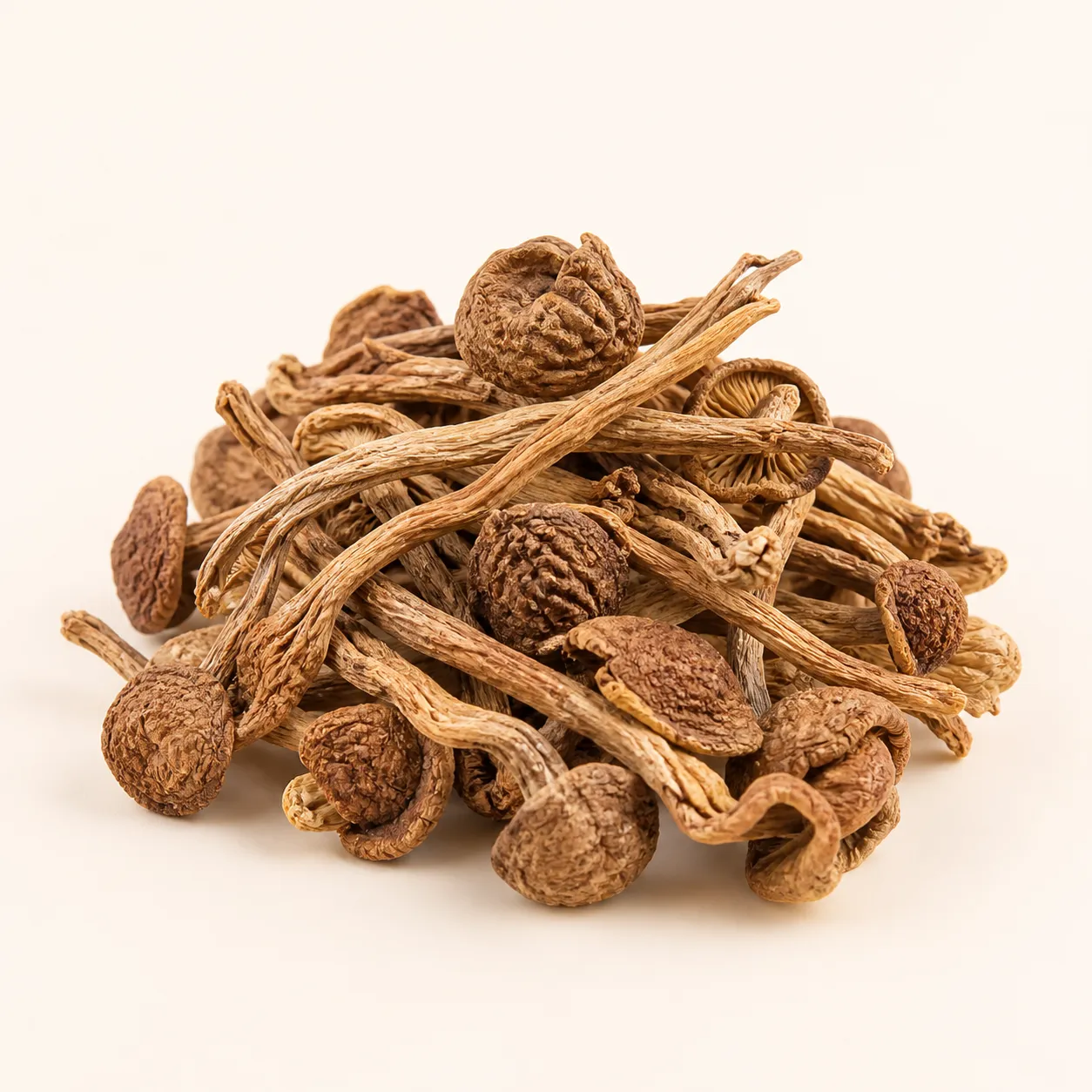
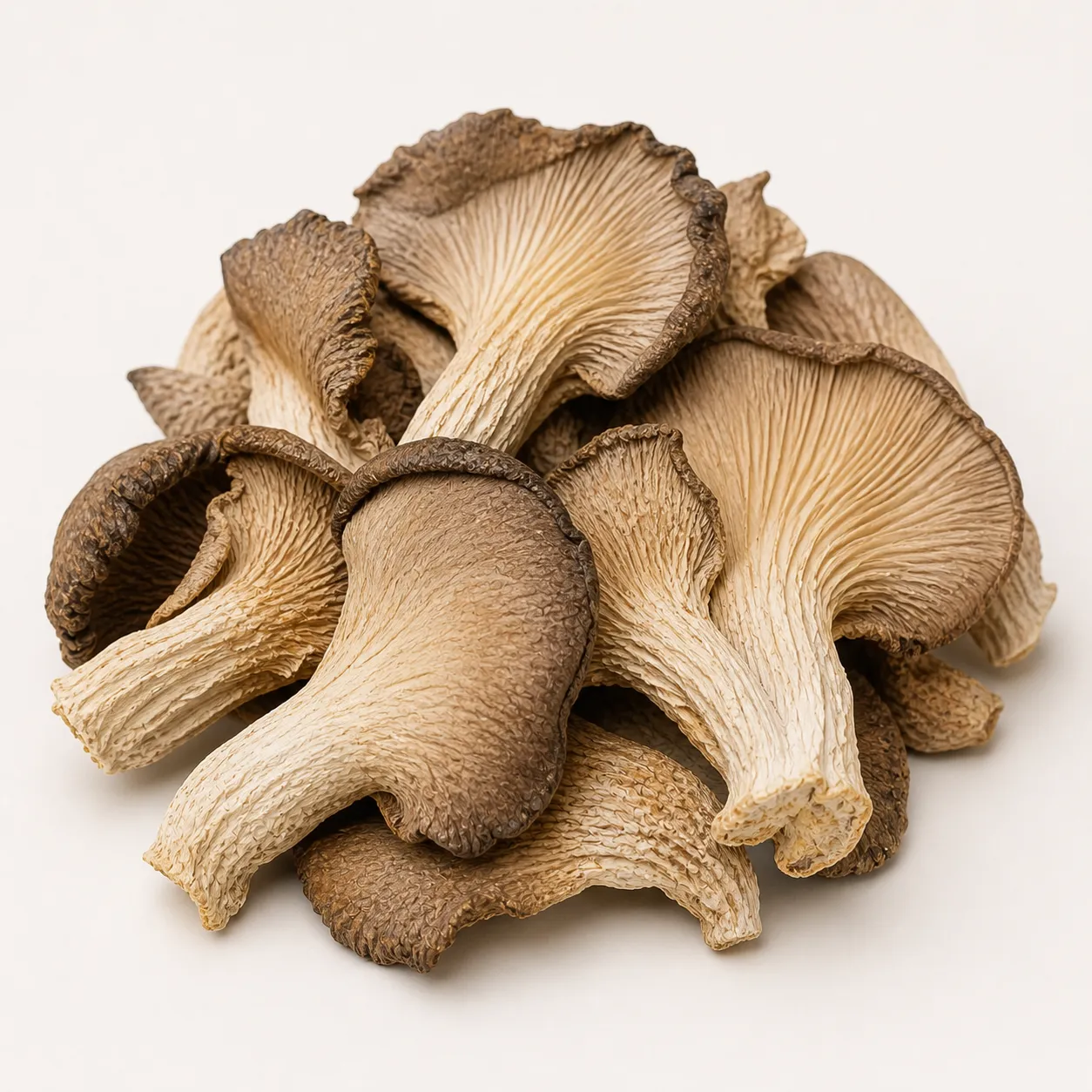
Dried mushroom distribution is the wholesale supply of dehydrated mushroom varieties — including shiitake, porcini, morel, wood ear, and tea tree mushrooms — from importer or supplier to food service operators, supermarkets, and specialty retailers across Canada. This guide explains why Canadian distributors are adding dried mushrooms to their portfolios, what makes the category operationally attractive, and what to evaluate before sourcing.
Recognize Why Dried Mushrooms Fit the Distributor Model Better Than Most Perishables
Most food categories that distributors carry come with margin-compressing logistics requirements: refrigeration, short sell-by windows, cold chain compliance, and high return rates from spoilage. Dried mushrooms remove all of those constraints simultaneously.
At ambient storage, a properly sealed dried mushroom SKU maintains quality for 12–24 months. That single characteristic changes the economics of distribution in four concrete ways:
- No cold chain investment. Dried mushrooms ship and store at room temperature. No refrigerated trucks, no temperature-controlled warehouse space, no cold chain compliance documentation
- Near-zero spoilage returns. Return rates for properly stored dried mushrooms are negligible compared to fresh produce categories, where 8–15% return rates are common
- Higher SKU density per pallet. Dried mushrooms are compact and lightweight relative to their rehydrated yield. A single pallet position can carry significant volume
- Flexible fulfillment. Long shelf life means distributors can carry safety stock without spoilage risk, enabling same-week fulfillment for accounts that order on short notice
For distributors managing a mixed portfolio of ambient and refrigerated SKUs, dried mushrooms are one of the few categories that add revenue without adding cold chain complexity. Fungi Origin works with distributors across Ontario and Canada to provide consistent wholesale supply that fits directly into ambient warehouse operations.
Identify the Three Buyer Segments Driving Canadian Demand
Understanding who is buying dried mushrooms — and why demand is growing — is essential for distributors evaluating whether the category fits their existing account base.
Asian Food Service: The Highest-Volume Segment
Canada's Chinese, Japanese, Korean, and Southeast Asian restaurant sector represents the largest and most consistent buyer of dried mushrooms. Shiitake, wood ear, and tea tree mushrooms are non-substitutable staples in these kitchens — not experimental ingredients. Demand is stable year-round, order sizes are predictable, and accounts reorder regularly.
For distributors already serving Asian food service accounts, dried mushrooms are a natural portfolio addition that deepens existing relationships. For those looking to enter the segment, dried mushrooms offer a low-complexity entry point with strong account retention once supply relationships are established.
Plant-Based and Health-Focused Food Service
Canada's plant-based dining sector has expanded significantly since 2020. Dried mushrooms — particularly shiitake and porcini — are core ingredients in plant-based broths, meat alternatives, umami-forward sauces, and whole-food menu items. Their glutamate concentration makes them a functional flavour tool, not just a garnish.
Distributors serving health-focused restaurants, meal kit companies, and institutional food service (healthcare, universities) are seeing increasing dried mushroom volume from accounts that would not have ordered the category three years ago.
Premium Grocery and Specialty Retail
Consumer demand for dried mushrooms in retail has grown alongside interest in global cuisines, home cooking, and functional foods. Morels, porcini, and premium shiitake grades are now stocked by specialty grocery chains and premium supermarkets across Canada's major urban markets.
For distributors with retail accounts, dried mushrooms fit the premium ambient grocery category — high margin, long shelf life at retail, and growing consumer recognition.
Evaluate the Margin Structure and Pricing Dynamics
Dried mushroom distribution margins vary significantly by variety, grade, and account type. Understanding the pricing structure before building a portfolio allows distributors to position SKUs correctly across their account base.
Commodity versus premium pricing tiers. Dried shiitake and wood ear operate as higher-volume, lower-margin SKUs relative to specialty varieties. Porcini, morel, and premium-grade flower shiitake carry substantially higher per-kilogram wholesale prices and correspondingly higher retail and food service margins. A well-structured dried mushroom portfolio includes both tiers.
Grade differentiation within varieties. Within shiitake alone, whole flower-grade caps, standard whole caps, sliced, broken, and powder grades each carry different price points and serve different buyer segments. Sliced and broken grades serve high-volume food service cost-efficiently; whole premium grades serve specialty retail and fine dining accounts. Distributors who stock multiple grades within a variety can serve a broader account range with a single supplier relationship.
Pricing stability versus fresh alternatives. Dried mushroom pricing is more stable than fresh produce — harvest fluctuations affect fresh prices dramatically but have a muted effect on dried pricing due to inventory buffering. This pricing predictability makes it easier for distributors to maintain consistent margins and for buyers to budget accurately.
For new Canadian distributors entering the category, Fungi Origin provides volume-tier wholesale pricing with consistent per-kilogram rates across repeated orders — reducing the pricing variability that complicates margin planning.
Understand What Sourcing Quality Consistency Actually Requires
The primary operational risk in dried mushroom distribution is inconsistent product quality across supplier batches. A distributor's reputation with accounts depends on delivering the same product month after month — and dried mushrooms sourced without quality controls can vary significantly in moisture content, grade consistency, and aroma.
Quality indicators that distributors should verify with any supplier before committing to volume:
- Moisture content: Should be below 13% across batches. High moisture accelerates mold and creates texture and shelf-life inconsistency
- Cap integrity and breakage rate: For whole or sliced products, breakage above 10–15% indicates poor post-harvest handling or packaging — and creates account-level quality complaints
- Batch-to-batch consistency: Request samples from two or more separate production batches before placing initial volume. Color, aroma, and size uniformity should be consistent across samples
- Sourcing transparency: A supplier who can identify origin region, harvest period, and drying method is a supplier operating with quality controls. Vague sourcing answers indicate mixed or undocumented supply chains
Distributors building a dried mushroom portfolio should treat quality consistency as a non-negotiable supplier criterion — not a preference. Account relationships in food service depend on it.
FAQ
What minimum order volumes make sense for a distributor starting a dried mushroom portfolio?
For Canadian distributors adding dried mushrooms for the first time, starting with 2–3 core SKUs at 10–25 kg per variety allows meaningful account testing without over-committing warehouse space. Shiitake and wood ear are the lowest-risk starting points due to broad account applicability and consistent demand. Fungi Origin supplies distributor accounts across Canada with flexible minimum orders starting from 5 kg per variety, with volume-tier pricing that scales as account demand grows.
How do dried mushroom margins compare to other ambient grocery categories for distributors?
Dried mushrooms typically carry distributor margins of 20–40% depending on variety, grade, and account type — comparable to premium spices and specialty dry goods, and substantially higher than most fresh produce categories. Premium varieties (morel, flower-grade shiitake, whole porcini) can carry margins above 40% in specialty retail channels. The absence of cold chain costs and near-zero spoilage returns mean that gross margin is closer to net margin than most perishable categories.
What documentation do Canadian distributors need to import or resell dried mushrooms?
Dried mushrooms imported into Canada must comply with the Canadian Food Inspection Agency (CFIA) requirements for imported plant products, including documentation of country of origin and compliance with maximum residue limits. Distributors sourcing from a Canadian importer or wholesaler (rather than importing directly) receive product that has already cleared customs and CFIA requirements. Fungi Origin supplies product that has completed Canadian import compliance — distributors receive shelf-ready product without managing import documentation directly.
Adding dried mushrooms to a distribution portfolio is a structurally sound decision for Canadian food distributors: the category is ambient, shelf-stable, growing across three distinct buyer segments, and underserved relative to demand in many regional markets outside Toronto and Vancouver.
The distributors who build durable positions in this category will be those who secure a reliable, quality-consistent wholesale source early — before the supply gap narrows.
Fungi Origin supplies dried mushrooms wholesale to food distributors, restaurants, and supermarkets across Ontario and Canada. Contact us for distributor pricing — provide your account mix and target SKUs and we'll respond with wholesale pricing and availability within one business day.
Shop this product
Buy black fungus wholesale
Stocked in Ontario. Free GTA delivery over $350 CAD; courier shipping across Canada and to the US.
Wholesale
Dried Fungus
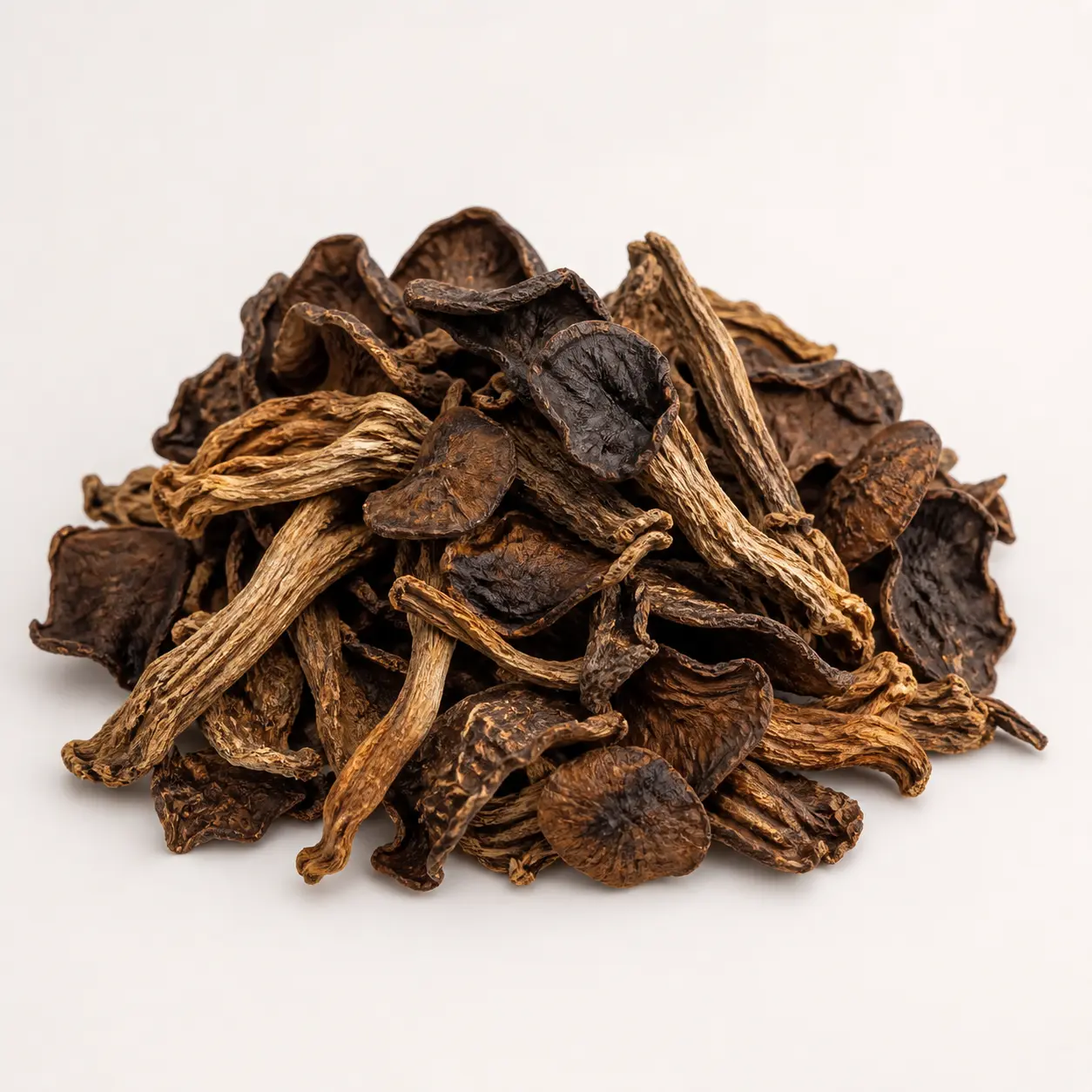
Black Fungus
Clean and well-selected dried black fungus suitable for food service and retail resale.
Wholesale price
$15.62/lb
$34.43/kg
Market reference
Approx. $59–80/kg
Need wholesale support?
Contact Fungi Origin for pricing, product inspection, pickup, GTA delivery, or courier shipping across Canada and the US for bulk dried mushroom orders.
Contact Us