Food Service Trends
The Rise of Functional Mushrooms in Food Service: 5 Buyer Priorities
Learn how food service buyers can evaluate functional mushrooms for menus, sourcing, labeling, cost, and customer demand.
By Editorial Team
Food sourcing and kitchen operations specialists covering ingredient procurement, storage science, and commercial kitchen efficiency across Canada.
Functional mushrooms are moving from wellness shops into cafés, restaurants, beverage programs, and institutional food service. Buyers now need to evaluate not only flavor and price, but also ingredient format, claim language, supply consistency, and customer expectations. The global functional food conversation has accelerated as consumers look for products that promise benefits beyond basic nutrition, but regulators and nutrition experts continue to warn against overstated claims. Functional mushrooms in food service are mushroom ingredients used in commercial menus for flavor, positioning, and perceived wellness value rather than for diagnosing, treating, curing, or preventing disease.
Understand What Functional Mushrooms Mean for Menus
Functional mushrooms are best treated as menu-positioning ingredients, not miracle ingredients. In food service, the term usually refers to mushrooms such as lion’s mane, reishi, chaga, cordyceps, shiitake, maitake, and turkey tail used in beverages, broths, powders, snacks, sauces, and grab-and-go products.
A functional mushroom is a mushroom marketed for culinary value plus a perceived support role in areas such as energy, focus, relaxation, immunity, or general wellness.
That definition matters because buyers must separate culinary reality from marketing language. A mushroom latte may sell because it feels modern and wellness-oriented, but the buyer still has to ask whether the ingredient tastes good, dissolves well, fits the menu, and can be described responsibly.
Common food service formats include:
- Powders for coffee, cocoa, smoothies, and bakery mixes
- Extracts for beverages, tonics, and ready-to-drink products
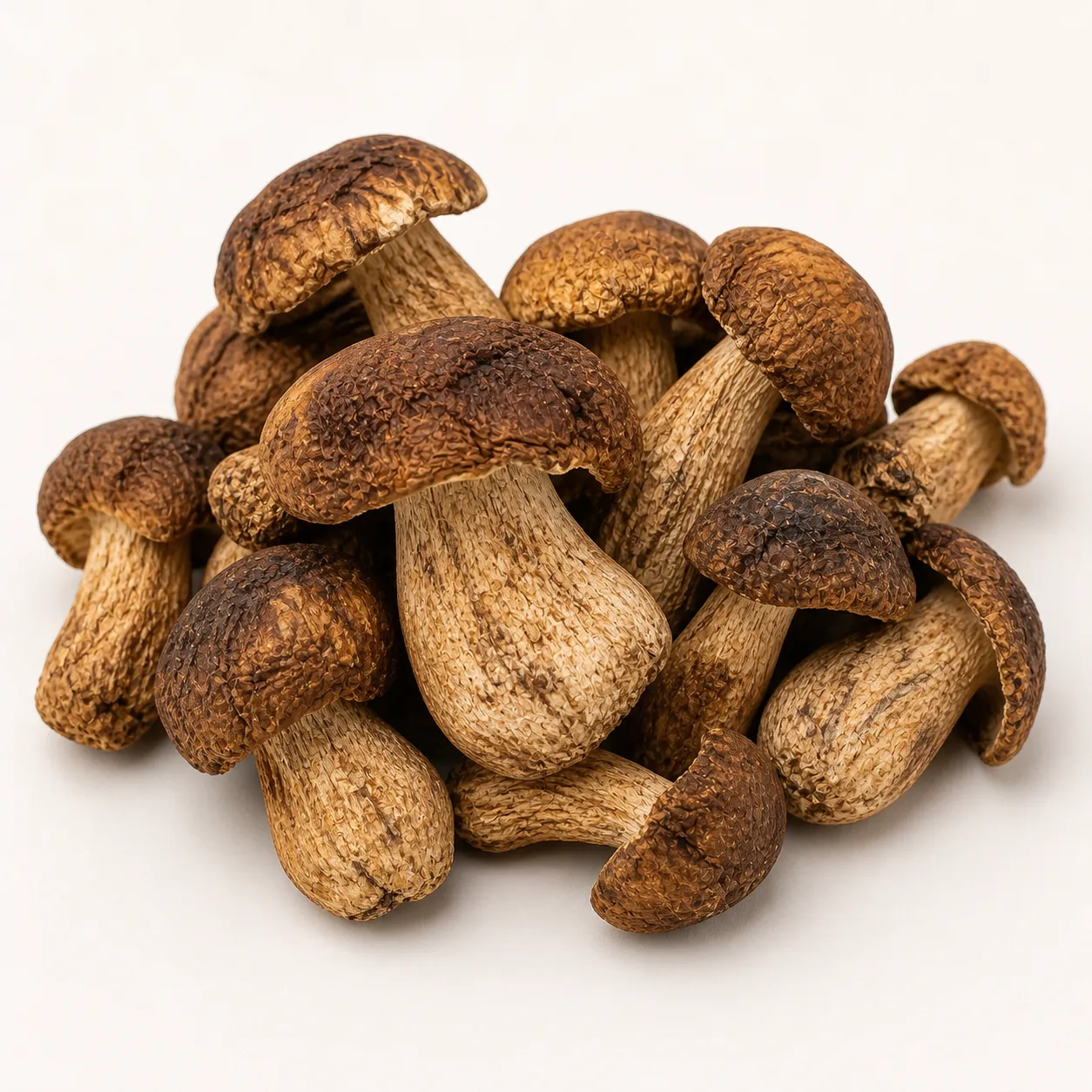
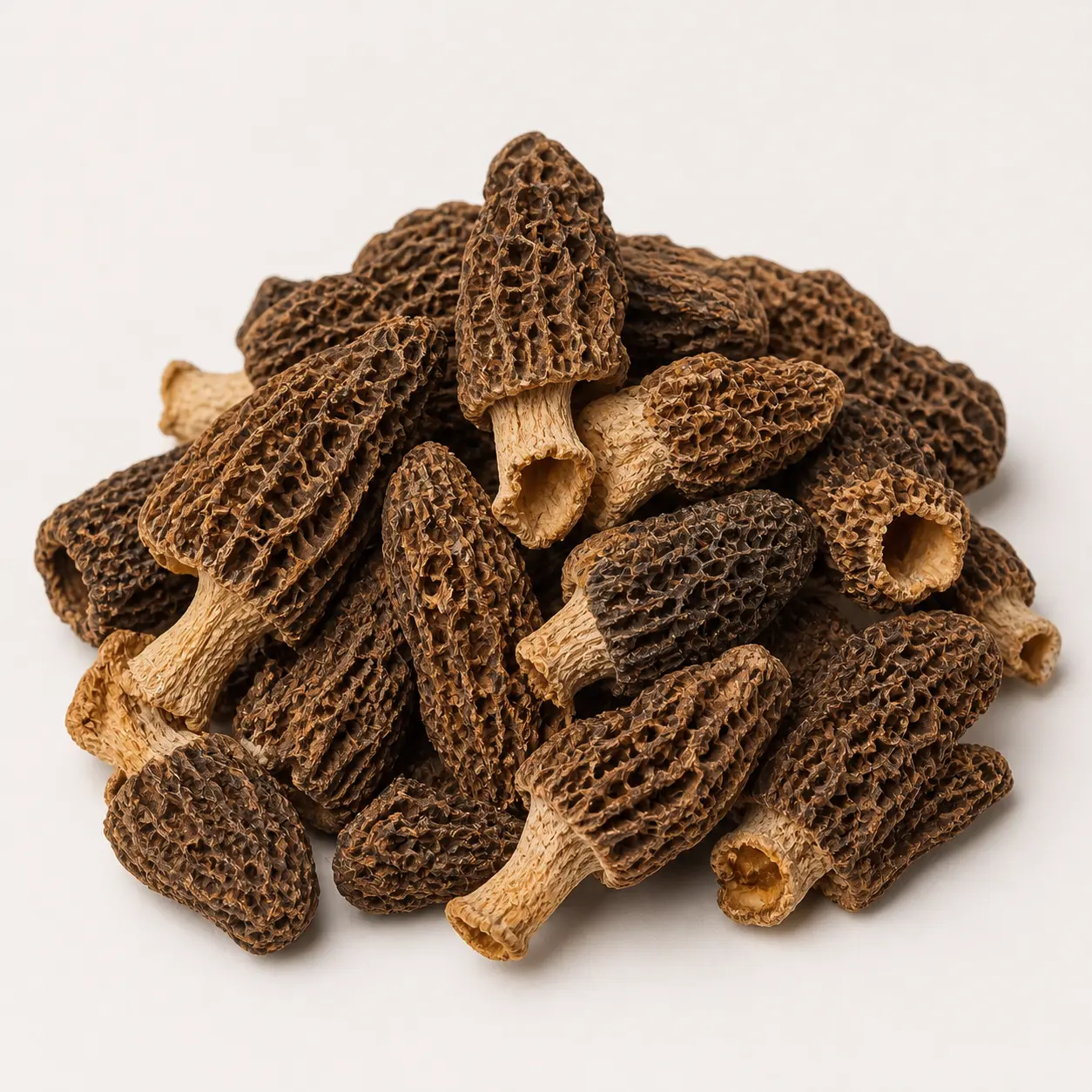
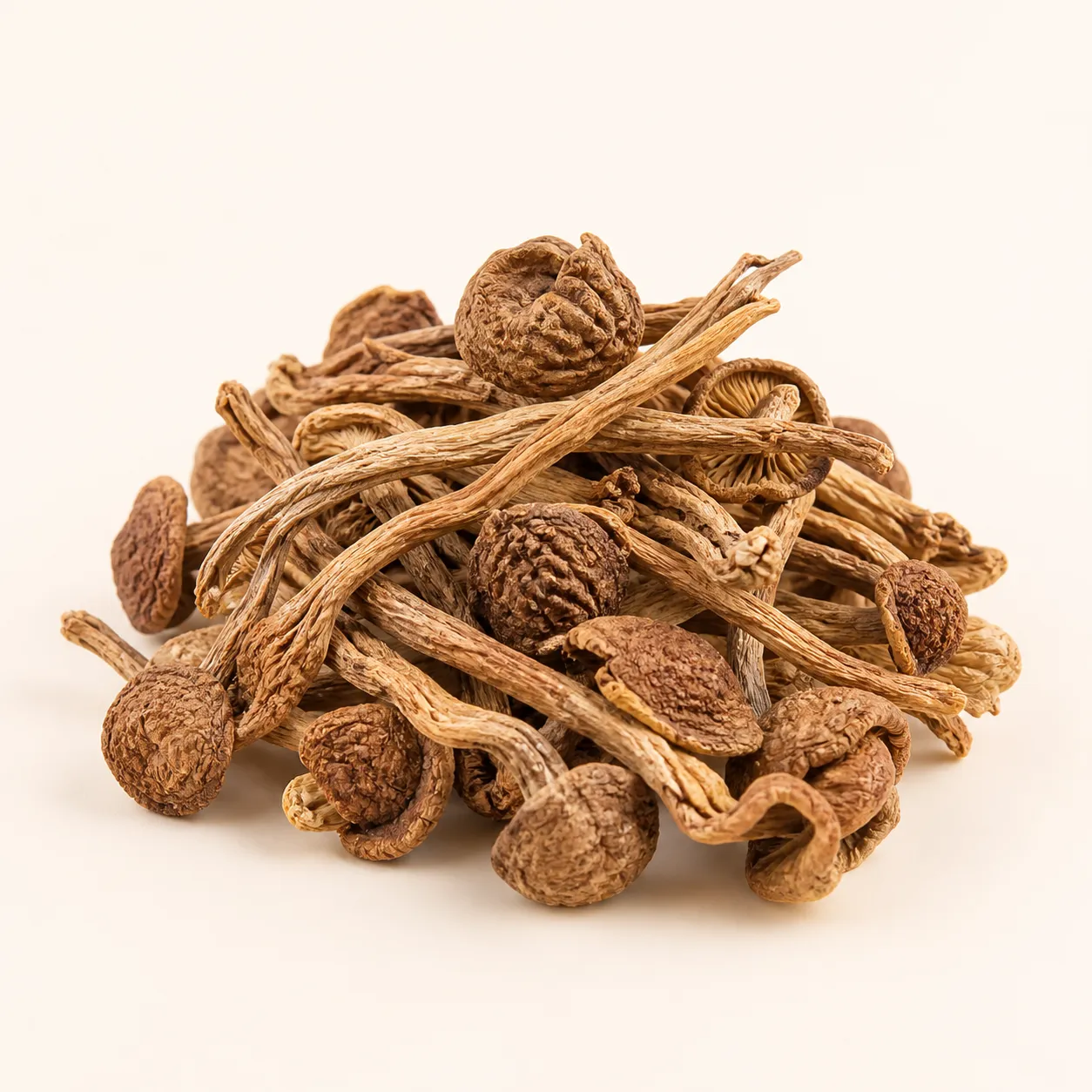
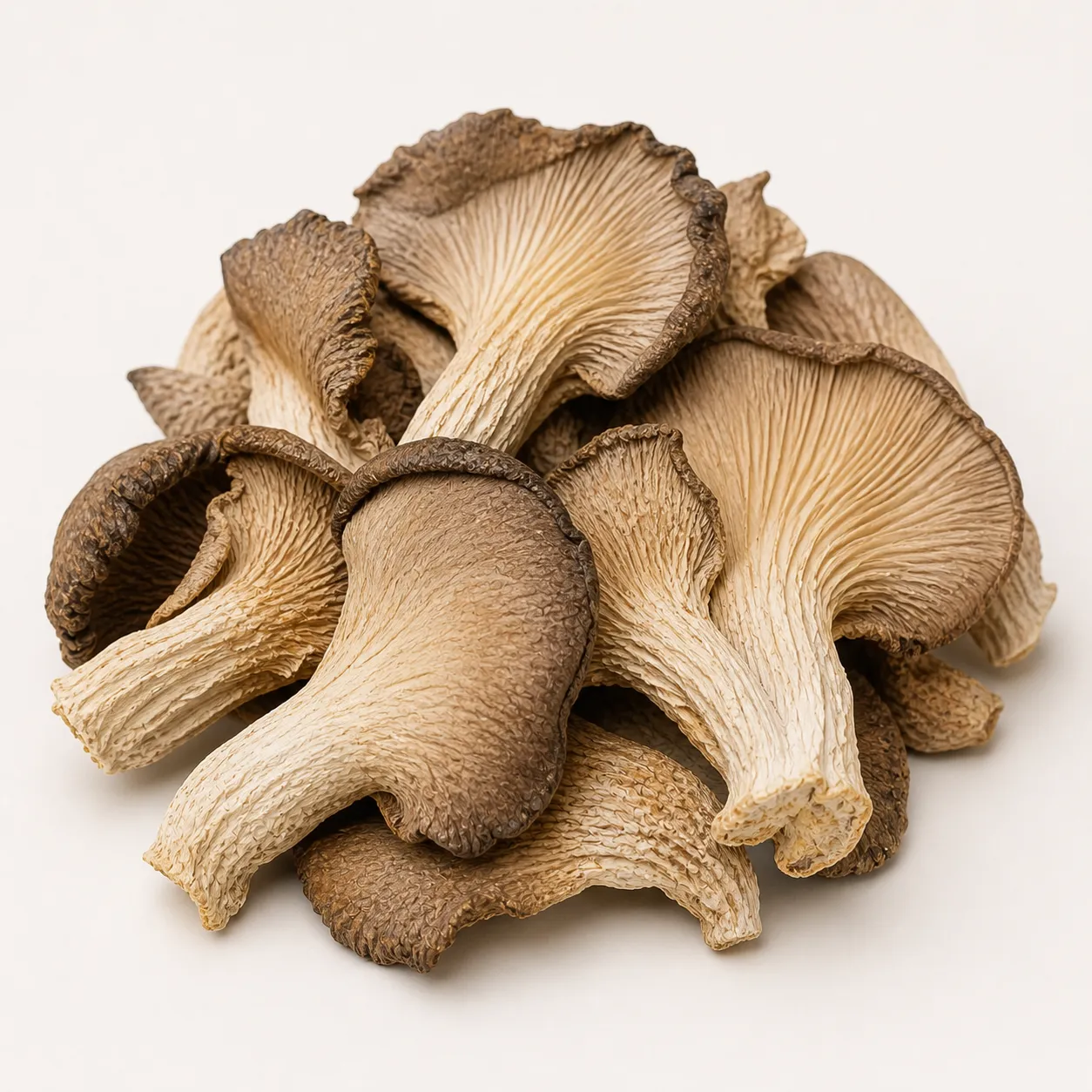
- Dried pieces for broths, soups, ramen, sauces, and rice dishes
- Blends that combine mushrooms with cacao, coffee, spices, or adaptogenic herbs
Functional mushrooms in food service work best when the buyer connects the format to the dish. Powder may suit beverages, while dried mushrooms may suit kitchens that want texture, broth depth, and visible ingredients.
Evaluate Claims Before You Evaluate Price
Food service buyers should review claim language before approving any functional mushroom product. A supplier’s marketing may sound exciting, but a restaurant, café, hotel, or distributor still needs language that is truthful, non-misleading, and appropriate for food.
The FDA describes several categories of food and dietary supplement label claims, including health claims, nutrient content claims, and structure/function claims. Health claims describe a relationship between a food substance and reduced risk of a disease or health-related condition, while structure/function claims describe a role in maintaining normal body structure or function. Source: https://www.fda.gov/food/labeling-nutrition/label-claims
For dietary supplements, the FDA says structure/function claims must be substantiated, must not claim to diagnose, treat, cure, or prevent disease, and must carry a disclaimer when used on supplement labels. Source: https://www.fda.gov/food/information-industry/structurefunction-claim-notification-dietary-supplements
Buyers should avoid menu language such as:
- “Treats anxiety”
- “Prevents illness”
- “Cures inflammation”
- “Reverses brain fog”
Safer food service language usually sounds more like:
- “Earthy mushroom-cacao latte”
- “Made with lion’s mane mushroom powder”
- “A savory broth with shiitake and maitake”
- “Wellness-inspired mushroom beverage”
Claim review is the process of checking whether product descriptions, menu copy, packaging, and sales materials make responsible statements that can be supported.
Choose the Right Ingredient Format
The best functional mushroom format depends on how the product will be prepared, served, and explained to customers. A café buyer may need powder that blends smoothly into hot drinks, while a hotel kitchen may prefer dried slices for stock, ramen, or sauce.
Powders are convenient and easy to dose, but they can clump, create sediment, or add bitterness. Extracts may offer more concentrated positioning, but they can be expensive and may need closer review of labeling, carrier ingredients, and use rates. Whole or sliced dried mushrooms provide recognizable culinary value, but they require soaking, storage, and prep labor.
Ingredient format is the physical form in which a mushroom enters the kitchen, such as powder, extract, dried slice, frozen item, fresh mushroom, capsule-style blend, or ready-to-use beverage base.
Before committing, buyers should test:
- Solubility: Does it blend into hot and cold applications?
- Flavor: Is it earthy, bitter, smoky, sweet, or neutral?
- Color: Does it darken milk, broth, dough, or sauce?
- Prep time: Does staff need soaking, filtering, or weighing steps?
- Consistency: Does every batch taste and perform the same?
A functional mushroom product that works in a wellness retail format may not work on a service line. Food service success depends on speed, repeatability, margin, and staff adoption.
Build Supplier Standards for Quality and Consistency
Functional mushroom sourcing should be handled with the same discipline as coffee, tea, spices, seafood, or specialty produce. Buyers need documentation, lot consistency, and clear specifications before launching a menu item at scale.
A supplier standard is a written set of expectations for ingredient identity, origin, processing method, testing, packaging, storage, and delivery performance.
Ask suppliers for:
- Ingredient identity: species name, part used, and blend composition
- Processing details: dried, extracted, powdered, roasted, or blended
- Testing documents: microbiology, heavy metals, pesticides, or contaminants when relevant
- Allergen and facility information: especially for blends made with dairy, soy, nuts, gluten, or botanicals
- Shelf-life and storage guidance: humidity, temperature, resealing, and post-opening use
Consistency matters because functional mushrooms often appear in signature products. If the flavor changes, the beverage tastes different. If the powder color changes, the latte looks different. If the supplier cannot meet volume, the menu item becomes unreliable.
Buyers should also check whether the supplier can support multiple locations. A single independent café can tolerate more variation than a regional group, university dining program, airline caterer, or franchise operator.
Price Functional Mushrooms by Menu Role
Functional mushrooms should be priced by menu role, not by ingredient cost alone. A small amount of mushroom powder may be expensive per pound, but it might support a premium beverage price if customers understand the concept and the flavor is strong.
The key is to calculate cost per serving, not cost per bag. Buyers should test the exact serving size, waste rate, preparation time, and staff training requirements. A powder that looks cheap may become expensive if it requires extra whisking, returns, remakes, or customer explanations.
Cost per serving is the total ingredient, waste, labor, and operational cost required to deliver one finished menu item.
Use a simple buyer checklist:
- What is the mushroom cost per finished serving?
- Does the item justify a premium menu price?
- Will staff explain it quickly during service?
- Can the supplier support promotional volume?
- Does the product improve flavor, story, or both?
Functional mushrooms are strongest when they do more than decorate a menu. The best items combine a clear customer reason, a good sensory experience, and a manageable operating cost.
FAQ
Are functional mushrooms allowed on restaurant menus?
Yes, functional mushrooms can appear on restaurant menus as culinary ingredients, but buyers should use careful claim language. Menus can name ingredients and describe flavor, format, and wellness-inspired positioning. They should avoid disease claims or promises that a menu item will treat, cure, prevent, or diagnose a health condition.
Which functional mushroom format is best for cafés?
Powder is often the most practical functional mushroom format for cafés because it can be portioned into lattes, cocoa, smoothies, and seasonal drinks. Buyers should test solubility, bitterness, color, sediment, and staff workflow before launch. Extracts or ready-to-drink bases may work better when speed and consistency matter most.
What should buyers ask functional mushroom suppliers?
Buyers should ask suppliers for species identity, ingredient format, processing method, testing documentation, allergen information, shelf life, storage instructions, and minimum order quantities. They should also request samples from multiple lots. This helps confirm that flavor, color, aroma, and performance stay consistent before the product reaches customers.
Conclusion
The rise of functional mushrooms in food service is really a buyer discipline story: demand is growing, but success depends on responsible claims, practical formats, and reliable suppliers. Buyers should evaluate mushrooms as both culinary ingredients and menu-positioning tools.
Before launching a mushroom latte, broth, snack, or sauce, create a one-page approval checklist for claims, cost per serving, storage, staff training, and supplier documentation. Use that checklist before adding any functional mushroom item to a commercial menu.
Shop this product
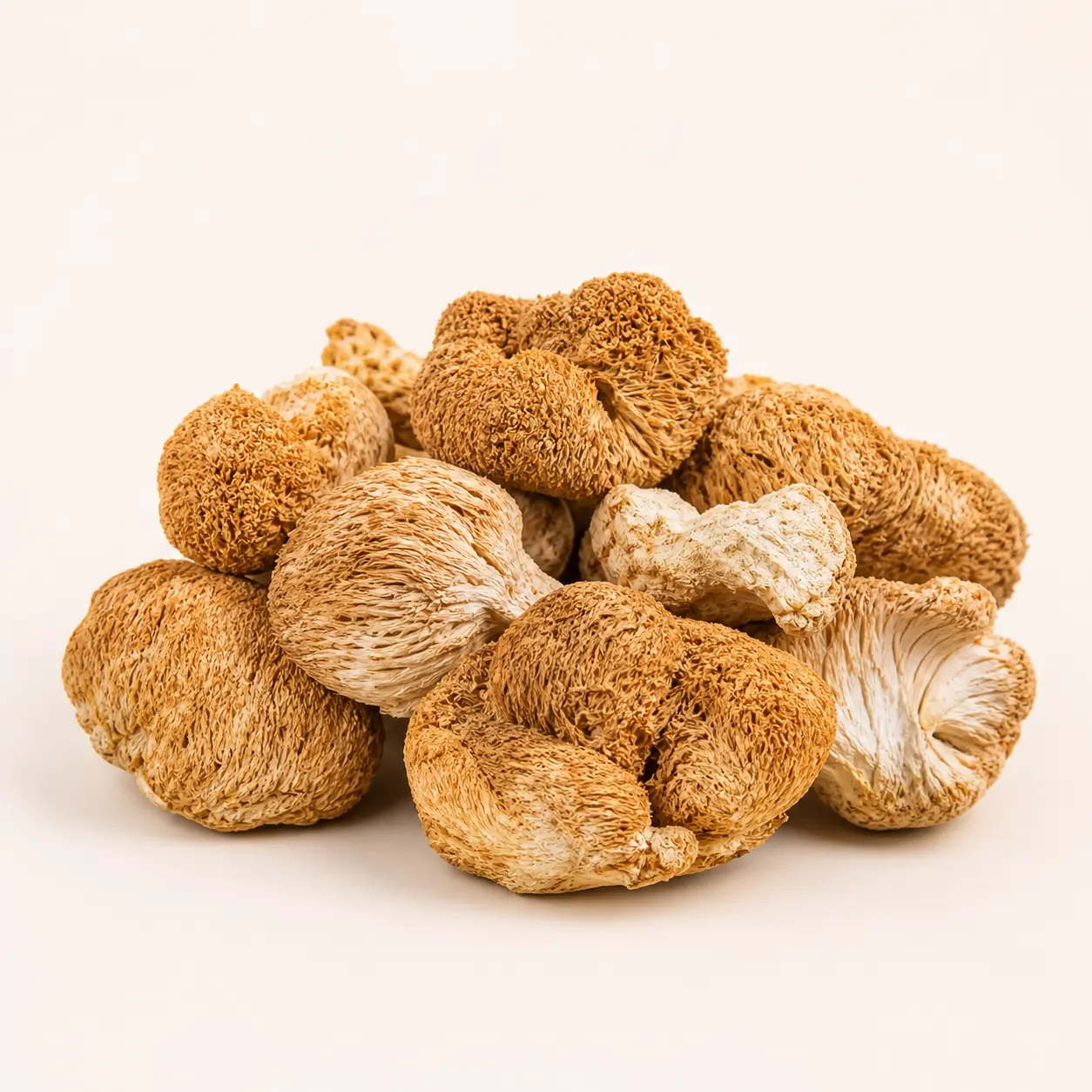
Buy lion’s mane mushroom wholesale
Stocked in Ontario. Free GTA delivery over $350 CAD; courier shipping across Canada and to the US.
Wholesale
Dried Mushrooms
Lion’s Mane Mushroom
Top-grade dried lion's mane mushroom with reliable bulk supply.
Wholesale price
$19.43/lb
$42.84/kg
Market reference
Approx. $77/kg
Need wholesale support?
Contact Fungi Origin for pricing, product inspection, pickup, GTA delivery, or courier shipping across Canada and the US for bulk dried mushroom orders.
Contact Us