Oyster Mushroom
How to Cook Dried Oyster Mushrooms (5 Methods)
Five proven cooking methods for dried oyster mushrooms — sauté, sear king oyster scallops, vegan bacon, soup and stir-fry, and pasta integration.
By Editorial Team
Food sourcing and kitchen operations specialists covering ingredient procurement, storage science, and commercial kitchen efficiency across Canada.
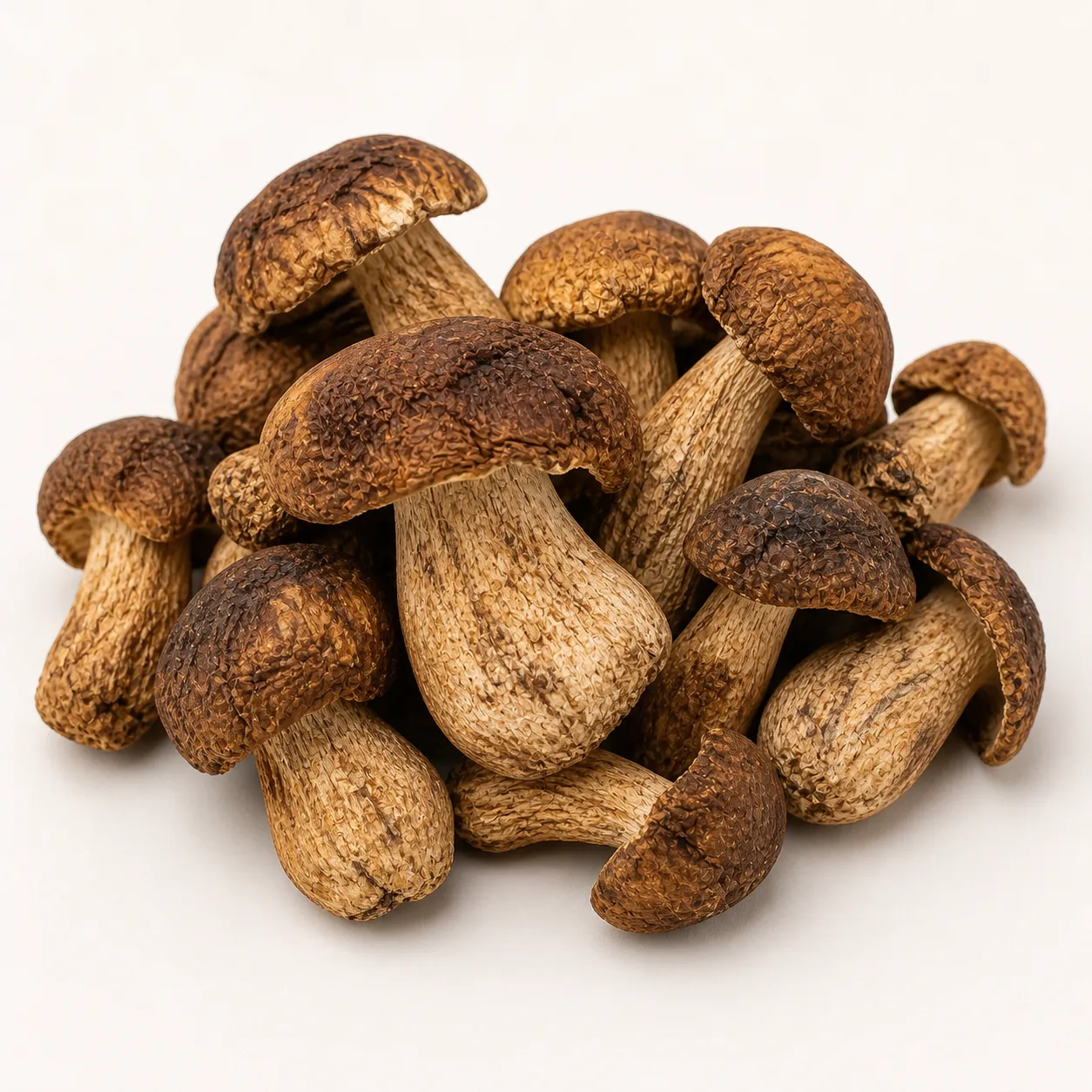
Dried oyster mushrooms are among the most versatile dried mushrooms in the kitchen — they cross cuisines, scale up and down for portions, and respond well to multiple cooking techniques. Five core methods cover virtually every restaurant and home application of dried oyster mushrooms. Learning all five expands what oyster mushrooms can do on your menu or in weeknight rotation. Cooking dried oyster mushrooms involves rehydrating and applying one of five proven techniques — sauté for everyday integration, high-heat sear for king oyster scallop-style preparations, oven-bake for crispy vegan bacon, soup and stir-fry for Asian applications, and pasta integration for Italian and modern dishes — each suited to different finished dish profiles.
Master the Everyday Sauté Technique
The everyday sauté is the foundational oyster mushroom technique. Done right, it produces tender, golden-edged mushrooms suited to a wide range of pastas, grain bowls, salads, side dishes, and sandwich fillings.
The sauté method:
- Rehydrate dried oyster mushrooms for 15–25 minutes in warm water; pat dry firmly
- Heat a wide pan over medium-high heat
- Add oil or butter and let it warm
- Place rehydrated mushrooms in a single layer; don't crowd the pan
- Sauté 4–6 minutes, turning occasionally for even browning
- Add aromatics (garlic, shallot, herbs) in the last 2 minutes
- Salt at the end to preserve browning
This technique produces oyster mushrooms ready for tossing into pasta, layering on toast, plating as a side, or adding to grain bowls. The 30g dried portion (rehydrated to roughly 180g) serves 2–3 people generously. According to a 2024 Canadian restaurant menu survey, sautéed oyster mushroom appears on more than 40% of restaurant menus that feature any specialty mushroom — making it the most-common application of the category.
Sear King Oyster as Scallop-Style Medallions
The high-heat sear technique transforms king oyster (Pleurotus eryngii) into the most-recognized vegan plant-based seafood substitute on Canadian menus. The thick stems slice into medallions that sear into golden-crusted "scallops" with tender, fibrous interior.
The king oyster sear method:
- Rehydrate king oyster thoroughly; squeeze out water firmly
- Slice the rehydrated stem into 1.5–2cm thick rounds (the medallions)
- Score one side lightly with a knife in a crosshatch pattern
- Pat very dry with paper towels
- Heat a heavy pan (cast iron) over medium-high heat
- Add neutral oil + butter combination
- Place medallions flat with space between
- Sear 3–4 minutes undisturbed until golden crust develops
- Flip and sear the second side another 2–3 minutes
- Finish with butter, garlic, lemon zest, herbs in the last minute
The result is plant-based "scallops" with remarkable visual and textural similarity to actual scallops. Plate with pea purée, polenta, lemon-butter sauce, or brown-butter sage finish. This is one of the most-pricing-power applications for oyster mushrooms — vegan scallop dishes carry CAD $24–$32 menu pricing at Canadian plant-based restaurants.
Bake Oyster Mushroom Bacon for Snack and Topping Applications
The oven-bake technique produces crispy, bacon-textured oyster mushroom strips with deep umami flavor — a vegan bacon analog that's earned permanent menu real estate at Canadian plant-based and modern restaurants.
The crispy bake method:
- Don't pre-soak the dried oyster mushrooms
- Cut into 1–2cm strips while still dry
- Toss with olive oil, soy sauce or tamari, smoked paprika (optional: maple syrup)
- Spread on a parchment-lined baking sheet in a single layer
- Bake at 175°C (350°F) for 18–25 minutes
- Turn halfway through for even crisping
- Cool on the sheet to fully crisp before serving
Oyster mushroom bacon goes on vegan breakfast plates, BLT-style sandwiches, salads (replacing croutons or bacon bits), and snack-shelf retail products. According to a 2024 Canadian plant-based menu trends survey, oyster mushroom bacon appears on the breakfast and brunch menus of approximately 18% of plant-based restaurants — a substantial share for a relatively new application.
Use Oyster Mushrooms in Asian Soup and Stir-Fry
Asian-cuisine applications represent a substantial share of oyster mushroom use globally. The mushroom's mild flavor accepts Asian seasoning beautifully, and the texture holds up under both high-heat wok cooking and slow-simmered soups.
Asian application examples:
- Cantonese stir-fries — pearl oyster with garlic, oyster sauce, scallion
- Vegan ramen broths — oyster mushroom contributing umami depth
- Korean japchae — sliced oyster mushrooms among the noodle-and-vegetable mix
- Vietnamese pho — oyster mushroom as vegan protein replacement
- Chinese vegetable braises — slow-cooked oyster mushroom with tofu and greens
- Japanese-style oyster mushroom tempura — light fried preparation
For stir-fry applications, rehydrate oyster mushrooms tenderly, drain well, then add to wok-fired dishes in the last 3–4 minutes of cooking with aromatics and sauce. For soup applications, add rehydrated oyster mushrooms in the final 10 minutes of cooking — they integrate flavor into the broth without disintegrating.
Integrate Oyster Mushrooms Into Pasta and Italian Dishes
Italian-cuisine applications are among the most pricing-power oyster mushroom uses on Canadian menus. The mushroom's mild flavor lets the pasta and surrounding ingredients lead, while its texture provides satisfying contrast.
Italian and pasta applications:
- Cream-based oyster mushroom pasta — tagliatelle or pappardelle with cream, garlic, herbs
- Olive-oil oyster mushroom pasta — linguine with garlic, chili, parmesan
- Mushroom risotto — oyster mushrooms in classic mushroom risotto preparation
- Pizza topping — sautéed oyster mushrooms on white pizza or specialty pies
- Stuffed pasta fillings — oyster mushroom in ravioli or agnolotti
- Vegan Bolognese — chopped oyster mushroom replacing ground meat
For pasta applications, sauté oyster mushrooms separately, then toss with hot pasta and sauce at finish. This preserves the mushroom's texture and ensures even distribution. A typical pasta serving uses 25–40g of dried oyster mushrooms (rehydrating to 150–240g) — generous portions that justify menu pricing.
Frequently Asked Questions
Should I cook oyster mushrooms in oil or butter?
Both work, with different outcomes. Butter develops richer, slightly nutty flavor and pairs naturally with Italian and continental applications. Neutral oil (avocado, grapeseed) handles higher heat without burning, useful for hard-searing king oyster medallions. Many chefs combine — start with oil for high-heat sear, finish with butter for flavor. For vegan applications, vegan butter alternatives or olive oil work well.
Can I cook dried oyster mushrooms without rehydrating first?
For most applications, no — dried oyster mushrooms need rehydration to develop proper texture in finished dishes. The major exception is the crispy bake method (vegan bacon), which deliberately uses dry strips for crisping. For sauté, soup, stir-fry, and pasta applications, rehydrate first.
What seasonings pair best with oyster mushrooms?
Oyster mushrooms pair across cuisines because of their mild, adaptable flavor. Italian: garlic, sage, thyme, parmesan, butter. Asian: ginger, soy, sesame, scallion, chili. North American: smoked paprika, maple, soy, black pepper. French: shallot, thyme, butter, white wine. Avoid heavy single-ingredient seasoning that overwhelms — the mushroom's quality is adaptability, not boldness.
Build Five Oyster Mushroom Techniques Into Your Cooking
Sauté for everyday integration, high-heat sear for king oyster scallop preparations, oven-bake for crispy vegan bacon, soup and stir-fry for Asian applications, and pasta integration for Italian and modern dishes. Each method unlocks different applications, and together they cover almost everything dried oyster mushrooms can do on Canadian menus or in home kitchens.
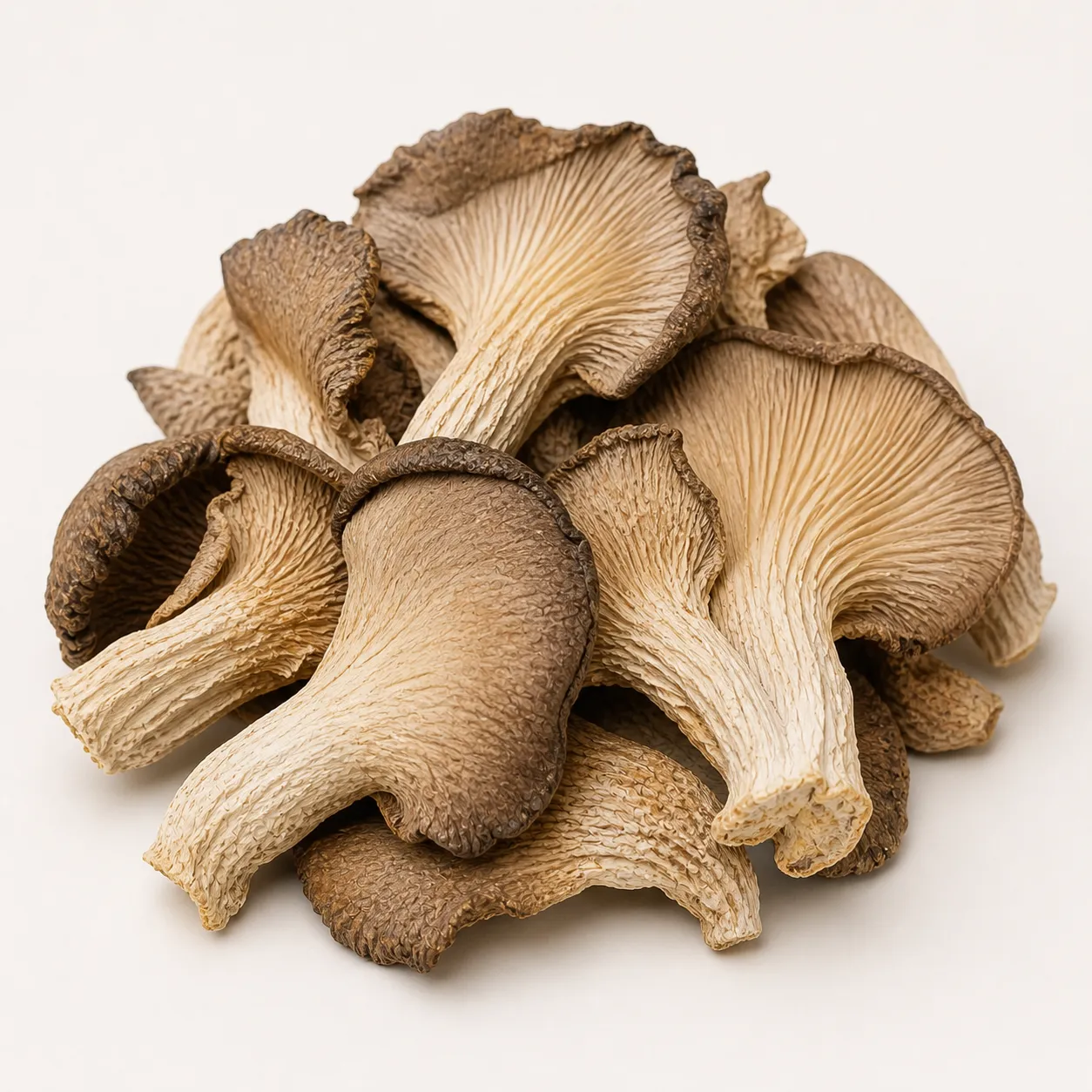
Browse Fungi Origin's dried oyster mushroom selection — pearl, king, and specialty varieties in whole, sliced, and powder formats across all five cooking applications.
Shop this product
Buy oyster mushroom wholesale
Stocked in Ontario. Free GTA delivery over $350 CAD; courier shipping across Canada and to the US.
Wholesale
Dried Mushrooms
Oyster Mushroom
Dried oyster mushrooms suitable for bulk supply, restaurants, and distributors.
Wholesale price
$15.62/lb
$34.43/kg
Market reference
Approx. $35–60/kg
Need wholesale support?
Contact Fungi Origin for pricing, product inspection, pickup, GTA delivery, or courier shipping across Canada and the US for bulk dried mushroom orders.
Contact Us