Porcini Mushroom
How to Rehydrate Dried Porcini Mushrooms (Step-by-Step)
Rehydrate dried porcini in 20–30 minutes for full umami flavor. Water temperature, soaking time, and how to capture the precious soaking broth.
By Editorial Team
Food sourcing and kitchen operations specialists covering ingredient procurement, storage science, and commercial kitchen efficiency across Canada.
A bag of dried porcini in the pantry is one of the highest-leverage ingredients a home cook or restaurant kitchen can stock — but only if the rehydration is done right. The most common mistake is treating porcini like a fast-cooking ingredient: pouring boiling water over them, soaking too long, or worst of all, throwing away the soaking liquid that contains most of the flavor. According to a 2023 culinary technique survey, only 32% of home cooks correctly preserve porcini soaking liquid for use in the dish. Rehydrating dried porcini mushrooms is the process of soaking them in warm water for 20–30 minutes to soften texture, release flavor compounds, and produce a concentrated mushroom broth used both for cooking the porcini and for flavoring the surrounding dish.
Use Warm Water — Not Boiling
Water temperature matters more for porcini than almost any other dried mushroom. The aromatic compounds responsible for porcini's signature flavor — including various pyrazines and ketones — are heat-sensitive. Boiling water destroys a meaningful percentage of these compounds before they ever reach the dish.
The correct temperature range is 38°C–43°C (100°F–110°F) — warm bath temperature. At this range:
- Cells rehydrate evenly without rupturing
- Flavor compounds extract gradually into the soaking liquid
- The porcini reaches usable texture in 20–30 minutes
- The resulting broth is clean, concentrated, and aromatic
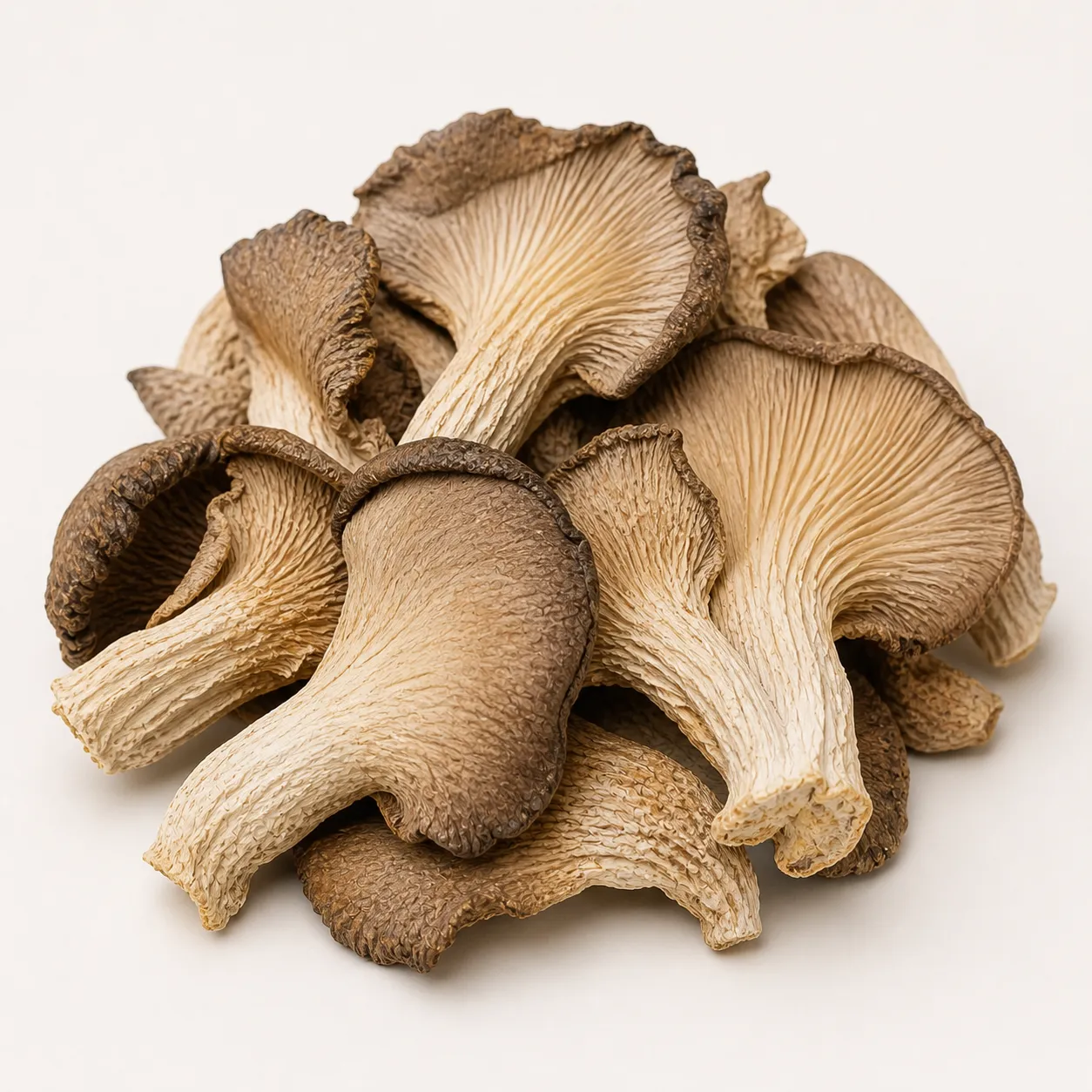
Use 4 cups of warm water per 30g of dried porcini. Place the porcini in a heat-safe bowl, cover with the warm water, and weight down with a small plate to keep the mushrooms submerged. The dried slices and caps float initially because of trapped air pockets in the cell structure.
Soak for the Right Duration
Twenty to thirty minutes is the standard range. Sliced dried porcini reaches usable texture at the lower end (20 minutes); whole dried caps need closer to 30. Beyond 45 minutes, the texture degrades — the porcini becomes mushy and the soaking water draws out flavor that would be better delivered in the finished dish.
Practical timing benchmarks:
- Sliced porcini — 20 minutes is enough; 25 for caution
- Whole porcini caps — 25–30 minutes
- Pieces and broken porcini — 15–20 minutes (the highest surface area)
- Porcini powder — no rehydration needed; bloom directly in cooking liquid
Test for done-ness by squeezing a piece between two fingers — it should feel pliable but still retain a bit of resistance, similar to a fresh mushroom that's been gently sautéed. Fungi Origin's sliced porcini are calibrated to consistent thickness, which means rehydration time is predictable across batches.
Strain Carefully and Save the Broth
The most valuable byproduct of porcini rehydration is the soaking liquid. The clear amber-brown broth holds more concentrated porcini flavor than the rehydrated mushrooms themselves. Throwing it away is the single most expensive mistake amateur cooks make with dried porcini.
To strain properly:
- Lift the mushrooms out with a slotted spoon or hands (don't pour the bowl into a strainer)
- Pour the soaking liquid through a fine-mesh strainer to catch larger debris
- Run it through a coffee filter or doubled cheesecloth for absolute clarity
- Reserve the strained liquid for the dish
Use the porcini broth to:
- Replace water or stock in risottos at a 1:1 ratio
- Deglaze the pan after sautéing the porcini
- Build pasta sauces using cream or butter as the fat base
- Enrich braising liquids for beef, lamb, or game
- Freeze in ice cube trays for portioned future use
A 2024 chef-survey study found that porcini broth used in risotto produced a 65% higher rated-flavor score in blind tasting versus risotto made with the porcini alone. The broth carries 60–70% of the rehydrated mushroom's flavor.
Sauté Properly Before Final Use
Rehydration is just preparation. The final cook step is what transforms rehydrated porcini into a finished dish ingredient. The standard technique is a brief sauté in butter or olive oil to develop browning and concentrate flavor before incorporation into the larger preparation.
Sauté technique:
- Pat porcini dry thoroughly with a paper towel — wet mushrooms steam instead of brown
- Heat the pan well before adding fat, then heat the fat before adding mushrooms
- Sauté over medium-high heat for 4–6 minutes
- Don't crowd the pan — give each piece room to develop a crust
- Add aromatics (shallot, garlic, thyme) at the end rather than the beginning
- Salt at the end — early salting draws moisture and prevents browning
After sautéing, the porcini is ready to integrate into the final dish — pasta sauce, risotto, braise, sauce reduction, or eggs. The aromatic complexity developed during sautéing combined with the concentrated broth from rehydration produces the deep flavor that earned porcini its global reputation.
Frequently Asked Questions
Can I rehydrate porcini in milk or stock instead of water?
Yes, but water remains the standard choice for most applications. Milk or cream rehydration works for cream sauces and risotto where the soaking liquid will be used in the final dish, but it limits flexibility. Stock rehydration is acceptable but adds little — porcini broth is itself a rich stock substitute. Reserve milk or stock rehydration for specific dishes where the soaking liquid plays a direct role.
How long does rehydrated porcini last in the fridge?
Rehydrated porcini lasts 3–4 days refrigerated in an airtight container. The soaking broth lasts 5 days refrigerated or up to 3 months frozen in ice cube trays. For meal prep, rehydrate a 30g bag of dried porcini Sunday afternoon and use the rehydrated mushrooms across two or three weeknight dishes through the week.
Why is my porcini soaking water so dark?
Dark soaking water is normal and indicates a flavor-rich rehydration. Premium dried porcini produces an amber to deep brown soaking liquid because the dried cells release concentrated pigments and flavor compounds. Light or pale soaking water can indicate an under-flavored or low-grade lot. Filter through a coffee filter to remove any fine sediment, then use confidently.
Make Every Dried Porcini Bag Count
Proper rehydration triples the value of every dried porcini bag in your pantry. Warm water, 20–30 minutes, careful straining, sautéing for browning, and — above all — saving the soaking liquid as a flavor base. Done right, a 30g bag of dried porcini delivers more umami complexity than 250g of fresh button mushrooms ever could.
Browse Fungi Origin's dried porcini selection for sliced, whole, and pieces formats that respond beautifully to the rehydration technique above.
Shop this product
Buy sliced porcini mushroom wholesale
Stocked in Ontario. Free GTA delivery over $350 CAD; courier shipping across Canada and to the US.
Wholesale
Dried Wild Mushrooms
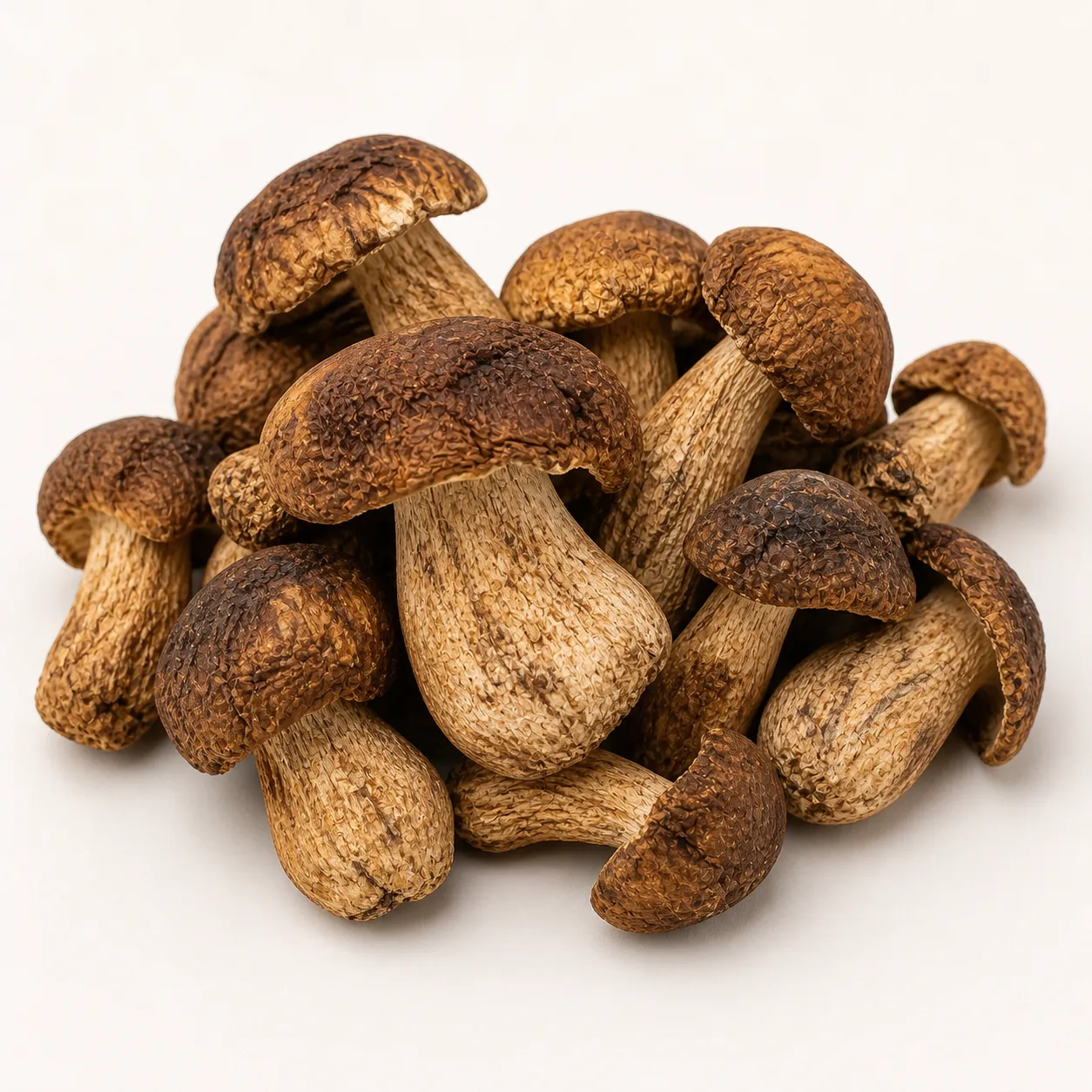
Sliced Porcini Mushroom
Premium sliced dried porcini mushrooms for restaurants, distributors, and specialty food buyers.
Wholesale price
$72.87/lb
$160.65/kg
Market reference
Approx. $264/kg
Need wholesale support?
Contact Fungi Origin for pricing, product inspection, pickup, GTA delivery, or courier shipping across Canada and the US for bulk dried mushroom orders.
Contact Us