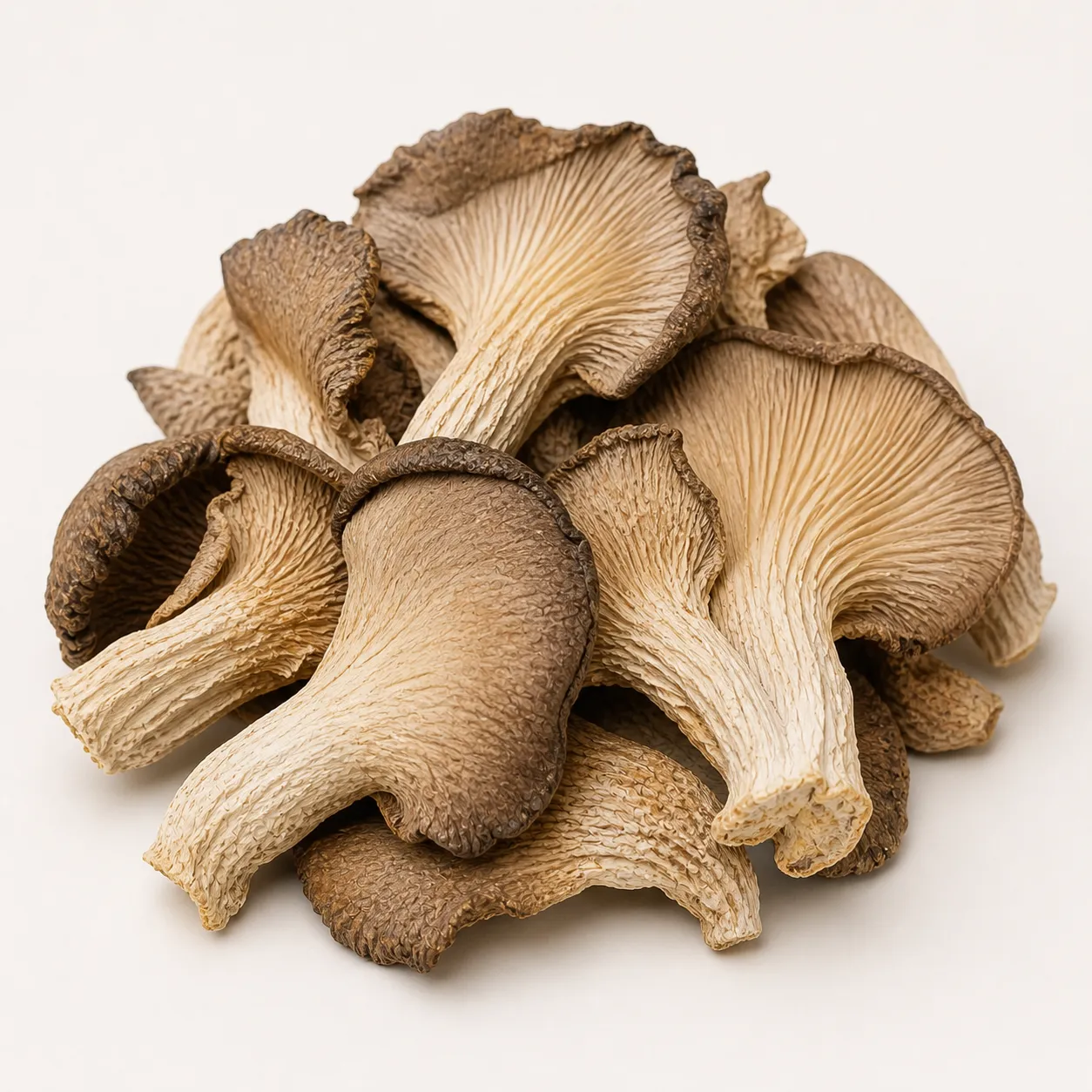
Black Fungus / Wood Ear
How to Rehydrate Dried Wood Ear Mushrooms Safely
Wood ear mushroom rehydration done right — safe technique, correct timing, and why room-temperature soaks longer than 24 hours can be dangerous.
By Editorial Team
Food sourcing and kitchen operations specialists covering ingredient procurement, storage science, and commercial kitchen efficiency across Canada.
Wood ear mushroom rehydration is generally simple — but it's also the only commercial dried mushroom with documented food-safety considerations that buyers should understand. Improperly rehydrated wood ear (left in water at room temperature for over 24 hours) has been linked to a rare but serious foodborne illness from bongkrekic acid, a toxin produced by certain bacteria. The technique is easy to get right; the consequences of getting it wrong are real. Rehydrating dried wood ear mushrooms safely is the process of soaking them in cool to warm water for 30 minutes to 2 hours, refrigerating any longer soaks, draining and rinsing thoroughly, then cooking before consumption — with no extended room-temperature soaking, which has been associated with rare bongkrekic acid poisoning incidents.
Use the Standard Short-Soak Method
The safest and most common rehydration method takes 30 minutes to 2 hours and uses cool to warm water. This duration is sufficient for full rehydration of standard commercial wood ear and avoids any food-safety concerns associated with extended soaks.
The standard short-soak method:
- Water temperature — cool to warm (room temperature to 35°C/95°F)
- Soaking time — 30 minutes to 2 hours
- Water ratio — 6 cups water per 30g dried wood ear (wood ear expands 5–7x in volume)
- Submersion — weight down with a small plate; wood ear floats stubbornly
- Container — stainless steel or glass; avoid reactive metals
Wood ear's papery dried structure absorbs water faster than denser mushrooms. Test for done-ness by feeling — properly rehydrated wood ear should feel pliable and gelatinous, not stiff or papery. Past 2 hours at room temperature, you've crossed from convenient soaking into the risk zone associated with extended ambient-temperature exposure.
Refrigerate for Overnight or Extended Soaks
If you need to rehydrate wood ear for longer than 2 hours — for advance preparation, large-batch processing, or convenience — always refrigerate during the soak. The refrigerator's temperature inhibits the bacterial growth associated with bongkrekic acid concerns.
Refrigerated soak guidelines:
- Cold-water rehydration in the refrigerator — 6–12 hours is acceptable
- Use within 24 hours of starting the soak
- Cover the container during refrigerator soaking
- Never leave soaking wood ear at room temperature beyond 2 hours
- If unsure how long it's been soaking at room temperature, discard
The 2-hour room-temperature limit is conservative — bacterial growth concerns require specific contamination conditions to actually produce toxins, and incidents are rare. But the limit is also easy to follow and has zero culinary downside. Adopting it as kitchen standard practice eliminates the risk entirely.
According to Health Canada food-safety guidance, properly handled dried wood ear is safe for consumption; the rare illness incidents documented globally have all been associated with extended ambient-temperature soaking, often at small restaurants or home kitchens unaware of the timing limit.
Drain, Rinse, and Inspect After Soaking
Once rehydrated, wood ear needs draining, rinsing, and inspection before cooking. The rinse step removes any residual debris from the dried product and confirms the mushroom is clean for cooking.
Post-soak handling:
- Drain in a colander
- Rinse under cool running water for 30–45 seconds
- Inspect for embedded debris at the base where the mushroom attached to its substrate
- Trim off the tough attachment points with a knife
- Pat dry if needed for stir-fry applications
- Cut into cooking-sized pieces if working with large rehydrated specimens
Discard any wood ear that smells off (mildewy, fishy, ammonia-like) or shows unusual coloration after rehydration. Quality dried wood ear from documented suppliers rehydrates cleanly with no off-odors. Suppliers sourcing through unverified channels can occasionally deliver lower-quality lots that show issues only after rehydration.
Cook Thoroughly Before Consumption
Wood ear should always be cooked before eating, like virtually all dried mushrooms. The cook step develops flavor integration, ensures food safety, and produces the proper texture in finished dishes.
Standard cooking applications:
- Stir-fry over high heat — 2–4 minutes; the most common application
- Hot pot table-side cooking — 3–5 minutes in simmering broth
- Soup integration — added to broths during the final 10–15 minutes of cooking
- Cold dish preparation — blanch in boiling water 1–2 minutes, then ice-bath, then dress with sauce
- Stew and braised dishes — 15–25 minutes integrated cooking time
Wood ear's textural property (the distinctive crunchy bite) survives all standard cooking methods. The mushroom maintains its structure through high-heat stir-fries and through long-simmered braises equally well — one of its commercial advantages over more delicate mushrooms.
Plan Cold-Application Preparations Carefully
Cold wood ear preparations — particularly Sichuan-style cold dishes with chili oil and vinegar — are popular but require careful preparation to ensure food safety. The cold dish format means the mushroom doesn't get the safety benefit of high-temperature cooking before service.
Safe cold-preparation method:
- Rehydrate using short-soak or refrigerated soak method
- Blanch in boiling water for 1–2 minutes after rehydration
- Plunge into ice water to stop cooking and preserve texture
- Drain thoroughly
- Dress with sauce just before service
- Serve immediately — refrigerate any leftovers and consume within 24 hours
The blanch step is non-negotiable for cold preparations. It serves both food-safety and texture purposes — eliminating any bacterial concerns from the rehydration step and producing the firm, crisp texture that defines high-quality cold wood ear preparations.
According to Sichuan-cuisine restaurant safety best practices, the blanch-and-ice step is standard restaurant kitchen protocol for cold wood ear preparation. Home cooks following this method achieve the same safety and quality as professional kitchens.
Frequently Asked Questions
Is wood ear mushroom poisoning real?
Bongkrekic acid poisoning from improperly rehydrated wood ear is real but rare. The toxin is produced by Burkholderia gladioli bacteria during extended room-temperature exposure of the rehydrating mushroom — typically 24+ hours. Following standard food-safety practice (rehydrate within 2 hours at room temperature, or refrigerate for longer soaks) eliminates the risk entirely. Cooked wood ear from properly rehydrated dried product is safe.
How long does rehydrated wood ear last in the fridge?
Properly rehydrated wood ear lasts 3–4 days refrigerated in an airtight container. Cooked wood ear (in finished dishes) keeps 2–3 days refrigerated. For meal-prep convenience, rehydrate a 30g portion using the refrigerated overnight method, store rehydrated wood ear in a covered container, and use across the work week in different dishes.
Can I reuse the wood ear soaking water?
Wood ear soaking water doesn't contain the same flavor concentration as porcini or shiitake soaking water — wood ear's role is textural rather than flavorful, and its soaking liquid is mild and not particularly useful as a stock substitute. Discard the soaking water; don't try to incorporate it into dishes. Use vegetable stock, chicken stock, or shiitake soaking water instead for the dish's liquid base.
Rehydrate Wood Ear Confidently With the Right Method
Short room-temperature soak (under 2 hours), refrigerated overnight soak for advance prep, drain and rinse after rehydration, blanch for cold preparations, and always cook thoroughly before consumption. Following these standard practices delivers consistent rehydration results with zero food-safety concerns. Wood ear is one of the most reliable dried mushrooms in the pantry when handled with the simple precautions outlined above.
Browse Fungi Origin's dried wood ear selection — sourced from documented Asian cultivation operations with food-safety quality assurance on every lot.
Shop this product
Buy black fungus wholesale
Stocked in Ontario. Free GTA delivery over $350 CAD; courier shipping across Canada and to the US.
Wholesale
Dried Fungus
Black Fungus
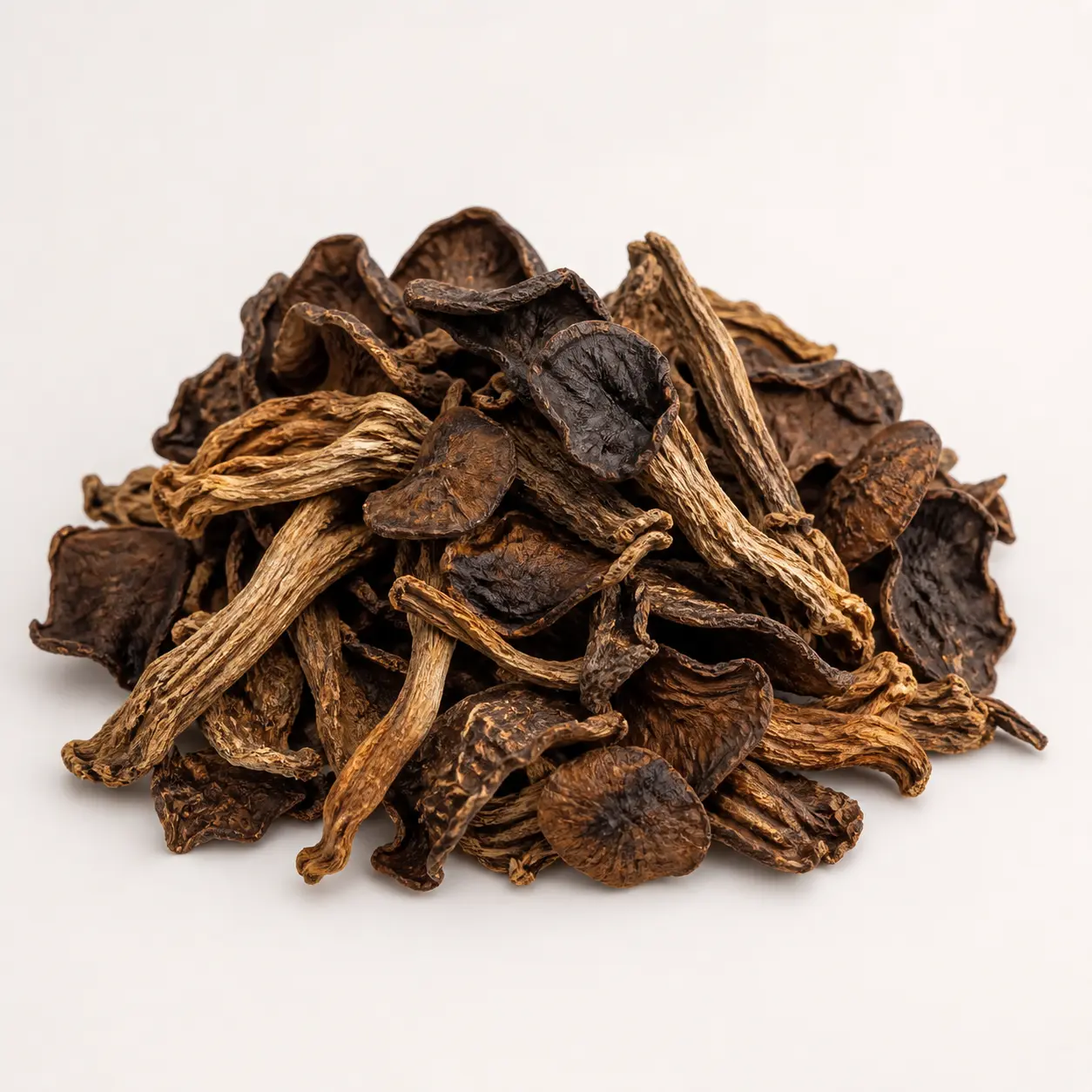
Clean and well-selected dried black fungus suitable for food service and retail resale.
Wholesale price
$15.62/lb
$34.43/kg
Market reference
Approx. $59–80/kg
Need wholesale support?
Contact Fungi Origin for pricing, product inspection, pickup, GTA delivery, or courier shipping across Canada and the US for bulk dried mushroom orders.
Contact Us