Lion's Mane Mushroom
Lion's Mane Mushroom Taste and Texture Guide
What does Lion's Mane actually taste like? An honest, detailed guide to flavor, texture, and how the mushroom behaves across different cooking methods.
By Editorial Team
Food sourcing and kitchen operations specialists covering ingredient procurement, storage science, and commercial kitchen efficiency across Canada.
Lion's Mane sells partly on health benefits and partly on a single specific claim: it tastes like seafood. The claim is half-true and half-misleading, and that gap creates confusion for first-time buyers. Honest answers about Lion's Mane flavor and texture protect both buyer expectations and the mushroom's reputation. Lion's Mane mushroom has a mild, subtly sweet, seafood-adjacent flavor with very low earthiness, paired with a fibrous, chewy, meat-like texture that develops crab or lobster-meat resemblance when properly cooked — but the comparison to seafood is more about texture than flavor.
Describe the Flavor Profile Honestly
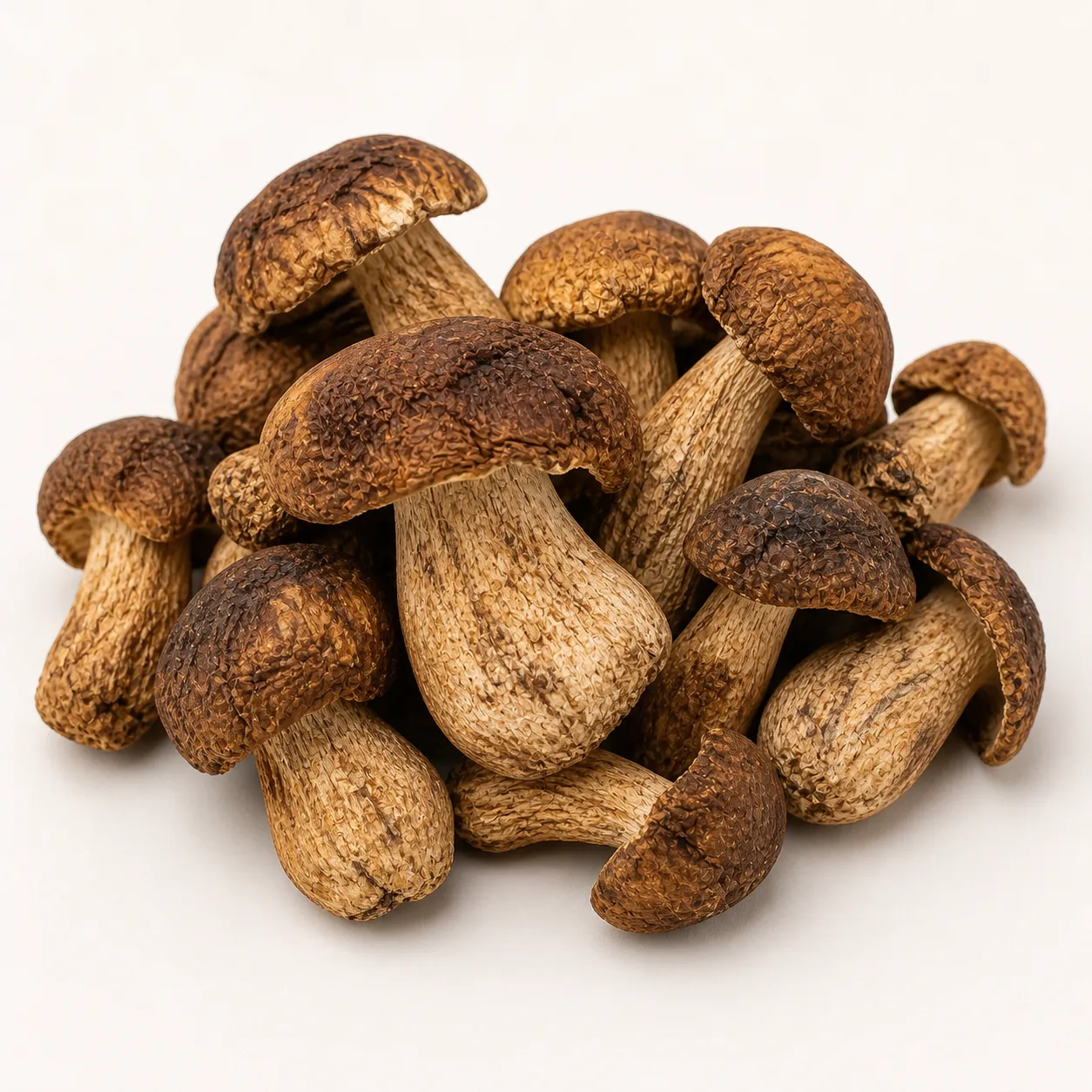
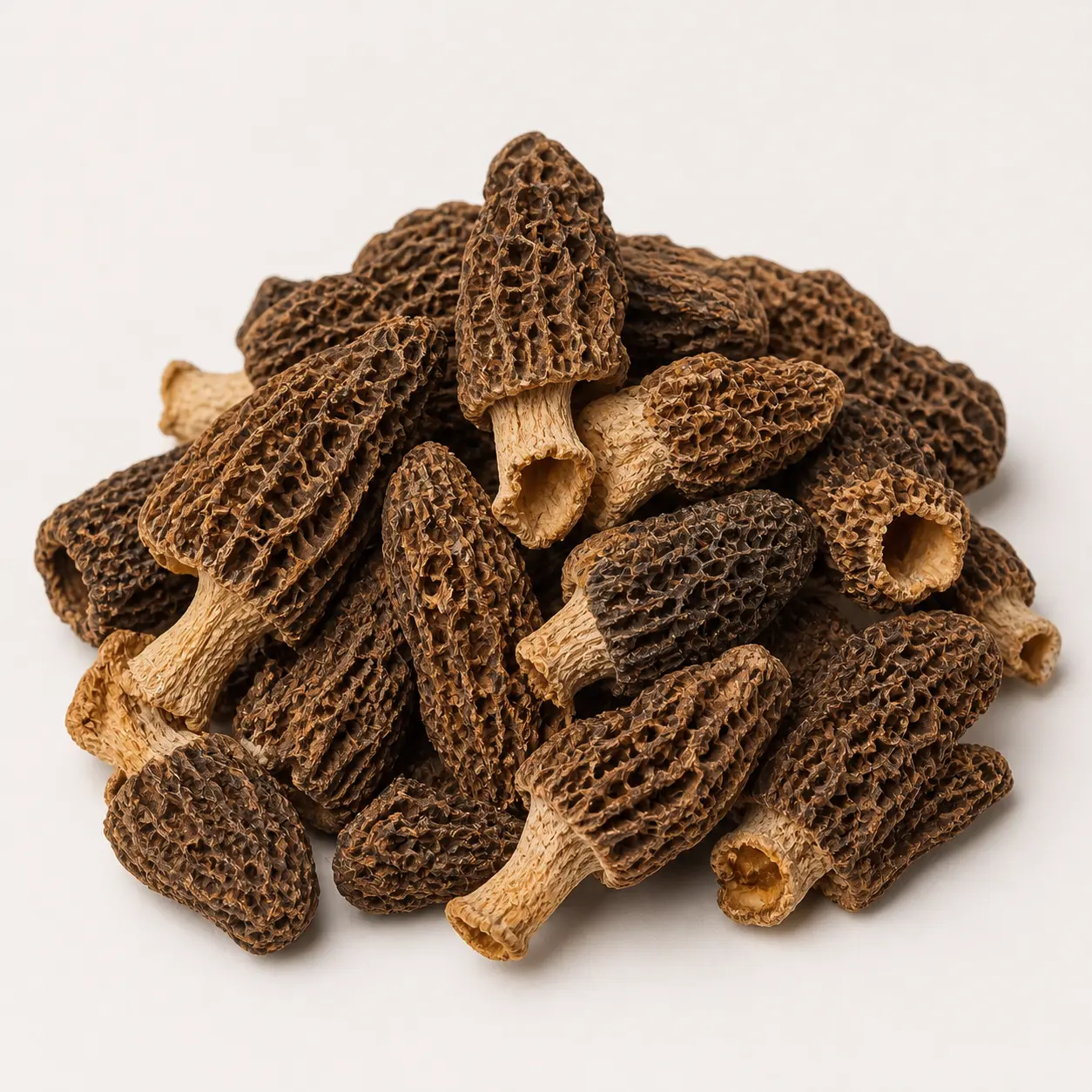
Lion's Mane's flavor is one of the milder profiles in the dried mushroom category. The mushroom doesn't deliver the deep umami punch of porcini, the smoky earthiness of morel, or the savory richness of shiitake. Its character is delicate, clean, and adaptable rather than bold and assertive.
The actual flavor descriptors:
- Mildly sweet — particularly when properly browned during cooking
- Subtle seafood notes — most pronounced after high-heat searing
- Low earthiness — surprising relative to most mushrooms
- Almost neutral baseline — accepts surrounding seasonings cleanly
- Hint of nuttiness with longer cooking and browning
- Slight buttery quality when cooked in fat
The "seafood taste" claim is real but limited — it's a subtle resemblance to crab or lobster, not an exact mimic. The claim is much more accurate about texture than about flavor. A Lion's Mane medallion seared in butter alongside a real seared scallop will texturally fool many diners; the flavor difference is more obvious in side-by-side tasting. According to a 2024 sensory analysis, blind-tasting panels correctly identified Lion's Mane vs. scallop in 73% of trials based on flavor alone but only 41% based on texture alone.
Examine the Texture That Made It Famous
Lion's Mane's commercial breakthrough wasn't flavor — it was texture. The mushroom has a unique fibrous structure that mimics pulled or shredded meat in a way no other commercial mushroom does. This texture works across cuisines and dishes that would be impossible with conventional mushrooms.
Texture characteristics:
- Fibrous strands that can be pulled like cooked crab or chicken
- Firm bite with a chewy, not-mushy resistance
- Holds shape under high heat better than most mushrooms
- Springy when cooked correctly, rubbery when underdone
- Pulls apart cleanly along the natural grain
- Browns beautifully under high-heat searing
The texture fully develops only with proper rehydration, the squeeze step, and high-heat cooking. Lion's Mane prepared casually disappoints almost universally. Lion's Mane prepared with technique produces "I can't believe this is a mushroom" reactions from first-time diners. The technique-quality gap is wider than for any other commercial mushroom.
Compare to Other Familiar Foods
Lion's Mane is best understood by comparing it to familiar reference points across both flavor and texture dimensions. Most diners encountering Lion's Mane for the first time benefit from this kind of contextual framing.
Texture comparisons:
- Cooked crab meat — when shredded, the texture similarity is striking
- Lobster — with a slight tonal shift, particularly in the thicker portions
- Pulled chicken — when braised in flavorful liquid
- Scallop — when seared in medallion form
- Shredded pork shoulder — for pulled-style preparations
Flavor comparisons:
- Mild seafood — generally crab-adjacent
- Buttery white fish — when butter-seared
- Subtle tofu — when neutrally seasoned
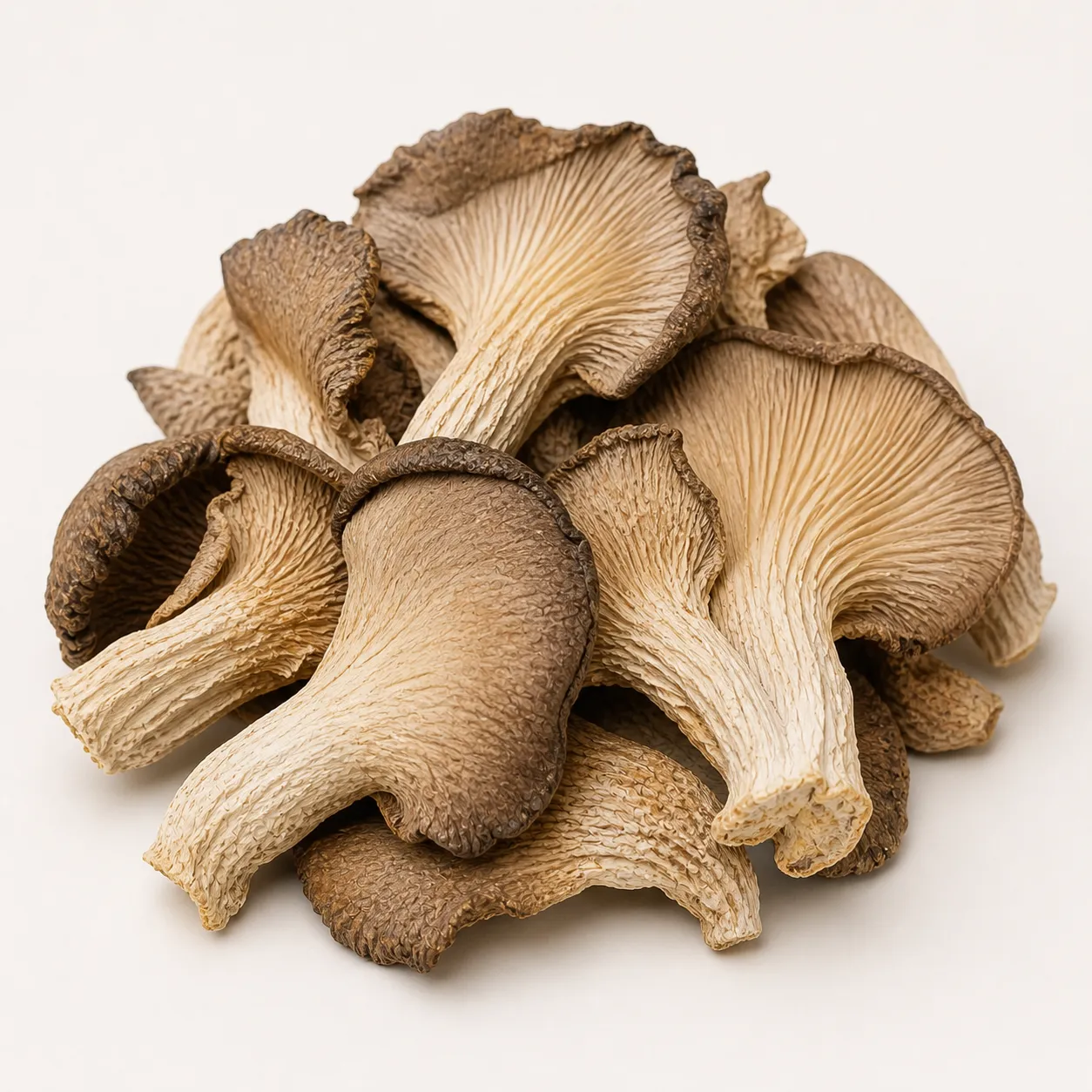
- Mild oyster mushroom — among other commercial mushrooms
- Nothing else exactly — Lion's Mane has its own identity beyond comparisons
These comparisons help culinary teams write menu descriptions that set accurate expectations. "Lion's Mane mushroom 'scallops'" works on Canadian menus; "Lion's Mane mushroom" alone often doesn't, because the average diner has no reference for what to expect.
Track How Cooking Changes Both Properties
Both flavor and texture in Lion's Mane evolve significantly across cooking methods. The same dried Lion's Mane delivers materially different results depending on technique. Understanding this matrix helps buyers and cooks decide what they actually want from the ingredient.
Method-specific outcomes:
- Pan-seared, high heat — strongest seafood flavor and texture, golden crusted exterior
- Sautéed, medium heat — milder flavor, integrates into pasta and grains
- Braised, low and slow — texture pulls apart, takes on braising liquid flavor
- Roasted whole — concentrated flavor, dramatic plate presentation
- Stewed in liquid — texture softens, flavor disperses into surrounding broth
- Eaten raw or undercooked — rubbery, flavorless, generally unpleasant
The seafood-resemblance claim that drives Lion's Mane's marketing is most accurate for pan-seared and shredded preparations. Other techniques produce excellent results that simply don't match the seafood comparison — they're just good mushroom dishes with Lion's Mane's distinct texture. Both outcomes are valuable; setting expectations honestly with diners is what matters.
Match Lion's Mane to Cuisines That Suit It
Lion's Mane's mild flavor is a strength when matched to the right cuisines. Some cuisines amplify Lion's Mane's character; others overwhelm or underuse it. Knowing the match-up helps menu design and home cooking decisions.
Strong cuisine matches:
- Plant-based and vegan menus — Lion's Mane shines as seafood and meat substitutes
- French and continental — butter, wine, lemon, herb preparations
- Italian — sage-butter, lemon, white wine, simple pasta
- Japanese — light dashi-based broths, miso glazes, tempura
- Cantonese — gentle stir-fries with soy and ginger
- New American — hybrid plates with seasonal vegetables and grains
Weaker cuisine matches:
- Heavy spice-driven cuisines — Lion's Mane gets lost in aggressive curry or sambal
- BBQ-style applications — works, but Lion's Mane's identity disappears
- Tomato-heavy ragu — Lion's Mane's delicacy is overwhelmed
- Strongly fermented cuisines — anchor flavors dominate Lion's Mane
A practical rule: if the cuisine treats mushrooms as supporting ingredients, Lion's Mane's mildness is fine. If the cuisine highlights mushroom flavor, choose porcini, morel, or shiitake instead. If the cuisine highlights mushroom texture, Lion's Mane is unmatched.
Frequently Asked Questions
Does Lion's Mane really taste like seafood?
Lion's Mane has subtle seafood-adjacent notes, particularly when pan-seared in butter — but the seafood comparison is more accurate about texture than flavor. The fibrous, pulled-meat structure genuinely resembles crab or lobster in cooked dishes. The flavor is mild and subtly sweet, only loosely seafood-like. Set expectations around texture similarity rather than exact flavor mimicry, and you'll have a more accurate picture.
Why is my Lion's Mane bland?
Bland Lion's Mane usually indicates one of three issues: insufficient browning during cooking, oversoaking that diluted flavor, or wrong cuisine match. Lion's Mane needs medium-high to high heat to develop its character through Maillard browning. Underseasoned or low-heat preparations produce bland results. Sear hot, season generously, and pair with cuisines that complement rather than mask the mild flavor.
Is the texture supposed to be chewy or tender?
Properly cooked Lion's Mane has a firm, slightly chewy, fibrous texture — closer to cooked crab or scallop than to tender button mushroom. If yours is rubbery, you likely undercooked or didn't squeeze out water before cooking. If yours is mushy, you over-soaked or cooked it in too much liquid. The target is "firm, fibrous, springy" — recognizable as a meaningful texture component, not a soft accent.
Set Expectations and Cook with Technique
Lion's Mane delivers a distinctive eating experience when set up correctly — mild seafood-adjacent flavor, fibrous meaty texture, and remarkable versatility across cuisines that use mushrooms as supporting ingredients. Manage diner and home-cook expectations around texture rather than flavor, choose the right cuisine match, and apply proper technique. The result is an ingredient that earns its current popularity.
Browse Fungi Origin's Lion's Mane selection — whole for shredding and roasting, sliced for sautés and pasta, powder for tea and supplements.
Shop this product
Buy lion’s mane mushroom wholesale
Stocked in Ontario. Free GTA delivery over $350 CAD; courier shipping across Canada and to the US.
Wholesale
Dried Mushrooms
Lion’s Mane Mushroom
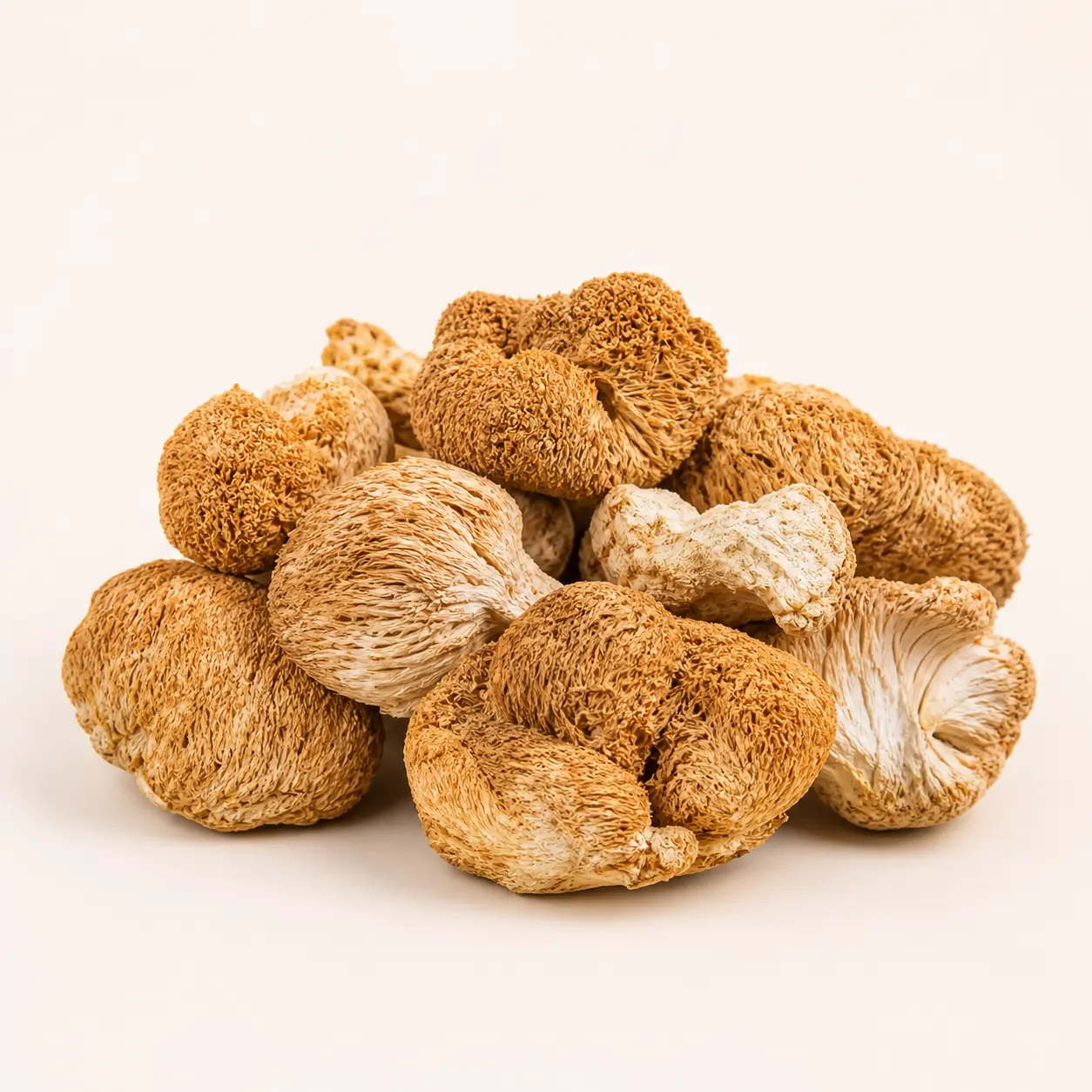
Top-grade dried lion's mane mushroom with reliable bulk supply.
Wholesale price
$19.43/lb
$42.84/kg
Market reference
Approx. $77/kg
Need wholesale support?
Contact Fungi Origin for pricing, product inspection, pickup, GTA delivery, or courier shipping across Canada and the US for bulk dried mushroom orders.
Contact Us