Porcini Mushroom
How to Use Porcini Mushrooms in Pasta and Risotto
Cook authentic porcini pasta and risotto at home or on a restaurant line. Technique, ratios, and the secret of using the soaking liquid.
By Editorial Team
Food sourcing and kitchen operations specialists covering ingredient procurement, storage science, and commercial kitchen efficiency across Canada.
Pasta and risotto are the two dishes that defined porcini's global reputation. Done right, both deliver the deep, beefy umami and complex earthy aroma that makes dried porcini one of the most prized pantry ingredients in Italian cuisine. Done casually, both produce muddy, underflavored versions that disappoint everyone at the table. According to a 2024 Italian-cuisine consumer survey, "mushroom risotto" remains the third-most-ordered Italian dish at Canadian restaurants, with porcini being the marquee mushroom. Porcini mushrooms are used in pasta and risotto by rehydrating the dried product, sautéing the rehydrated pieces, and using the strained soaking liquid as a flavor-rich cooking liquid that integrates the mushroom's umami throughout the entire dish.
Build the Foundation: Rehydration and Broth
The single most important technique in any porcini pasta or risotto is the rehydration-and-broth step. The soaking liquid carries 60–70% of the porcini's flavor and serves as the cooking medium that distributes that flavor through the rice or pasta sauce. Skipping this step or discarding the broth produces a porcini-themed dish without porcini-grade flavor.
The standard preparation:
- Rehydrate 30g of dried porcini in 4 cups of warm water (38–43°C) for 25–30 minutes
- Lift the mushrooms out with a slotted spoon
- Strain the soaking liquid through a fine-mesh strainer, then a coffee filter
- Reserve the strained liquid — this is your cooking broth
- Pat the rehydrated porcini dry before sautéing
- Coarsely chop unless using whole pieces for plating
This 5-minute prep step transforms what could be an average dish into a porcini-forward standout. Restaurants serving high volumes of porcini pasta and risotto often prep this step in batches at the start of service, holding the rehydrated porcini and broth for à la carte execution.
Make Authentic Porcini Risotto
Risotto is the dish where porcini achieves its purest expression. The slow, gradual liquid absorption of risotto preparation is perfectly matched to porcini's flavor-release profile. Each ladle of warm porcini broth deepens the dish progressively over the 18–22 minute cook.
Standard porcini risotto for 4:
- 30g dried porcini, rehydrated, broth reserved
- 320g Arborio or Carnaroli rice
- 1 medium onion, finely diced
- 2 cloves garlic, minced
- 120ml dry white wine
- 5–6 cups warm liquid (50% porcini broth, 50% chicken or vegetable stock)
- 80g grated Parmigiano Reggiano
- 40g unsalted butter
- Olive oil, salt, fresh thyme
Technique highlights:
- Sauté half the porcini early with the onion, reserve half for the finish
- Toast the rice 1–2 minutes before deglazing with wine
- Add liquid one ladle at a time, stirring continuously
- Don't overstir at the end — the rice should still have movement
- Mantecatura step is non-negotiable — butter and cheese off the heat at the end
- Garnish with reserved porcini and fresh thyme
According to 2024 menu engineering data from Canadian Italian restaurants, porcini risotto carries an average menu price of CAD $32, with food cost of approximately 30% — a strong margin profile when sourcing from a quality direct-import porcini supplier.
Build Three Classic Porcini Pasta Sauces
Pasta is the most flexible canvas for porcini. Three sauce structures cover the bulk of restaurant and home applications, each pairing best with specific pasta shapes and contexts.
Cream-based porcini sauce (with tagliatelle or pappardelle):
- Sauté rehydrated porcini in butter with shallot and garlic
- Deglaze with white wine, reduce
- Add porcini broth, reduce by half
- Add heavy cream, reduce to coating consistency
- Toss with cooked pasta, finish with Parmigiano and fresh herbs
Olive-oil porcini sauce (with linguine or spaghetti):
- Sauté porcini in olive oil with garlic and red pepper flakes
- Deglaze with white wine
- Add porcini broth and pasta cooking water
- Toss with pasta, finish with parsley and grated cheese
Tomato-and-porcini ragu (with rigatoni or pappardelle):
- Sauté porcini with onion, carrot, celery (soffritto)
- Add ground beef or pork, brown
- Add tomato passata, porcini broth, red wine
- Simmer 90 minutes minimum
- Toss with pasta, finish with cheese
Each sauce carries porcini's flavor differently. The cream-based version is the most porcini-forward and most popular at Canadian restaurants. The olive-oil version is lighter and showcases the mushroom's texture. The ragu variant integrates porcini as a backbone flavor across a longer-cooked dish.
Choose the Right Porcini Format for Each Dish
Format selection matters more than most home cooks realize. Different porcini formats excel in different pasta and risotto applications, and matching the format to the dish improves both the result and the food cost.
Format guide:
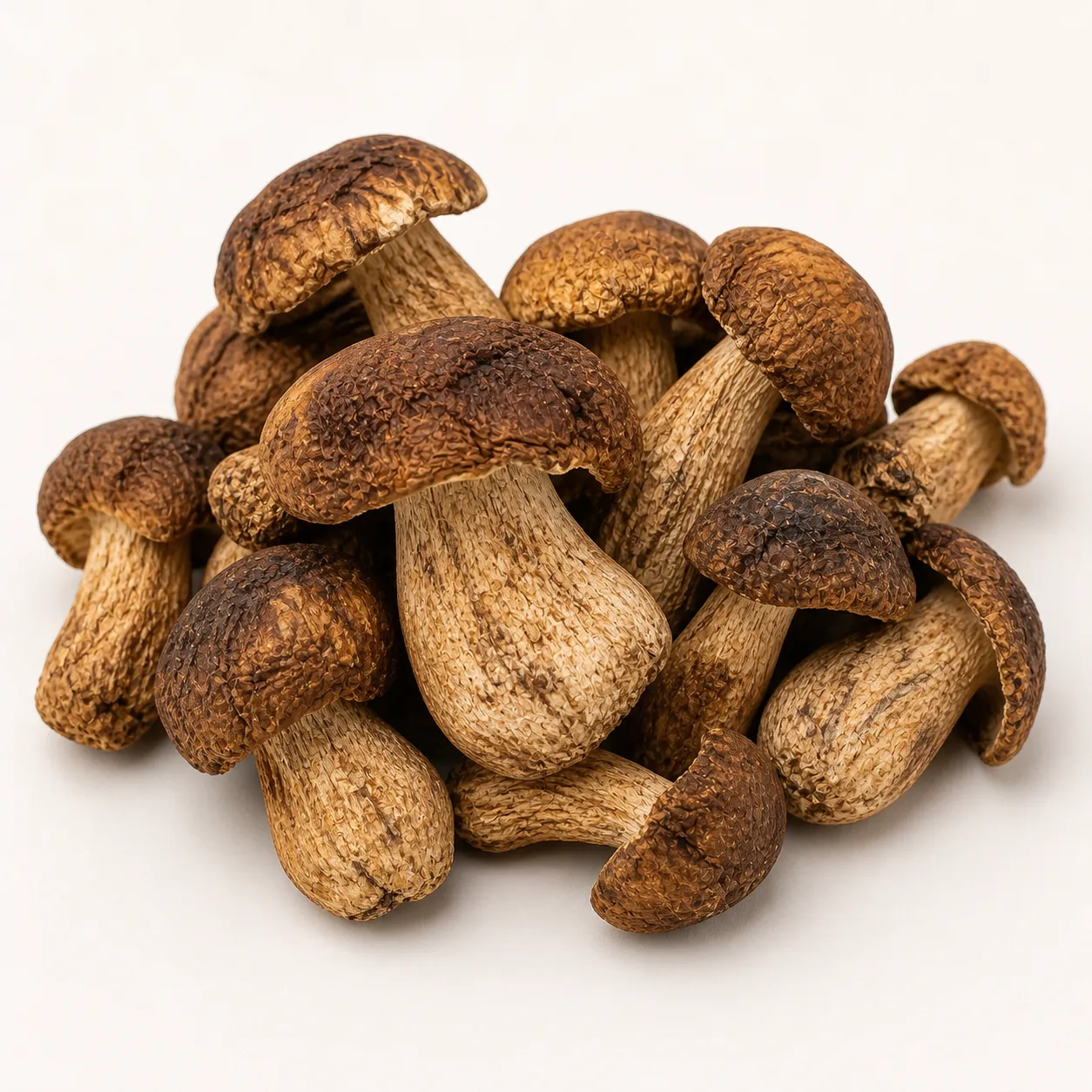
- Whole dried porcini — visible plate features, premium tasting menus, white-tablecloth risotto
- Sliced dried porcini — daily-use risotto and pasta, the workhorse format
- Pieces and broken porcini — long-cooked ragu, base sauces where mushrooms break down
- Porcini powder — dust the finished plate, enrich cream sauces, sauce thickening
A practical Canadian restaurant approach: stock 60% sliced for the bulk of porcini risotto and pasta production, 25% pieces for ragu and long-cooked sauces, 10% powder for finishing, and 5% whole for premium plates. The blended approach controls food cost while giving the kitchen full application range.
Frequently Asked Questions
Can I make porcini risotto with fresh porcini instead of dried?
Yes, but the dish changes. Fresh porcini contributes texture and a lighter, less concentrated flavor; dried porcini contributes deep umami via the soaking broth. Most Canadian and Italian chefs use dried porcini for risotto specifically because the broth integrates the mushroom flavor throughout the rice. If using fresh, supplement with dried or stock to achieve flavor depth.
How much dried porcini do I need for pasta or risotto for 4 people?
A standard portion is 25–30g of dried porcini for 4 servings of pasta or risotto. This rehydrates to about 150g of usable porcini — generous but not overwhelming. Adjust by ±20% based on whether porcini is the central feature or one element among several. Always reserve the soaking broth regardless of porcini quantity.
What pasta shape pairs best with porcini sauces?
Tagliatelle and pappardelle pair best with cream-based porcini sauces — the wide flat noodles capture the sauce and showcase rehydrated mushroom pieces. Rigatoni and pappardelle work for tomato-based porcini ragu. Linguine and spaghetti suit olive-oil-based porcini sauces. Avoid small pasta shapes (orzo, ditalini) which get visually lost against the porcini's color.
Cook Porcini Pasta and Risotto Like a Pro
Master the rehydration-and-broth foundation, choose the right format for the dish, and pick the sauce structure that fits the menu or meal. Cream-based porcini risotto and pasta remain the highest-impact applications for both home cooks and restaurants. Done right, each delivers the umami depth that earned porcini its global reputation.
Browse Fungi Origin's dried porcini selection for sliced, whole, pieces, and powder formats — sourced and graded for the kind of risotto and pasta cooking described above.
Shop this product
Buy sliced porcini mushroom wholesale
Stocked in Ontario. Free GTA delivery over $350 CAD; courier shipping across Canada and to the US.
Wholesale
Dried Wild Mushrooms
Sliced Porcini Mushroom
Premium sliced dried porcini mushrooms for restaurants, distributors, and specialty food buyers.
Wholesale price
$72.87/lb
$160.65/kg
Market reference
Approx. $264/kg
Need wholesale support?
Contact Fungi Origin for pricing, product inspection, pickup, GTA delivery, or courier shipping across Canada and the US for bulk dried mushroom orders.
Contact Us