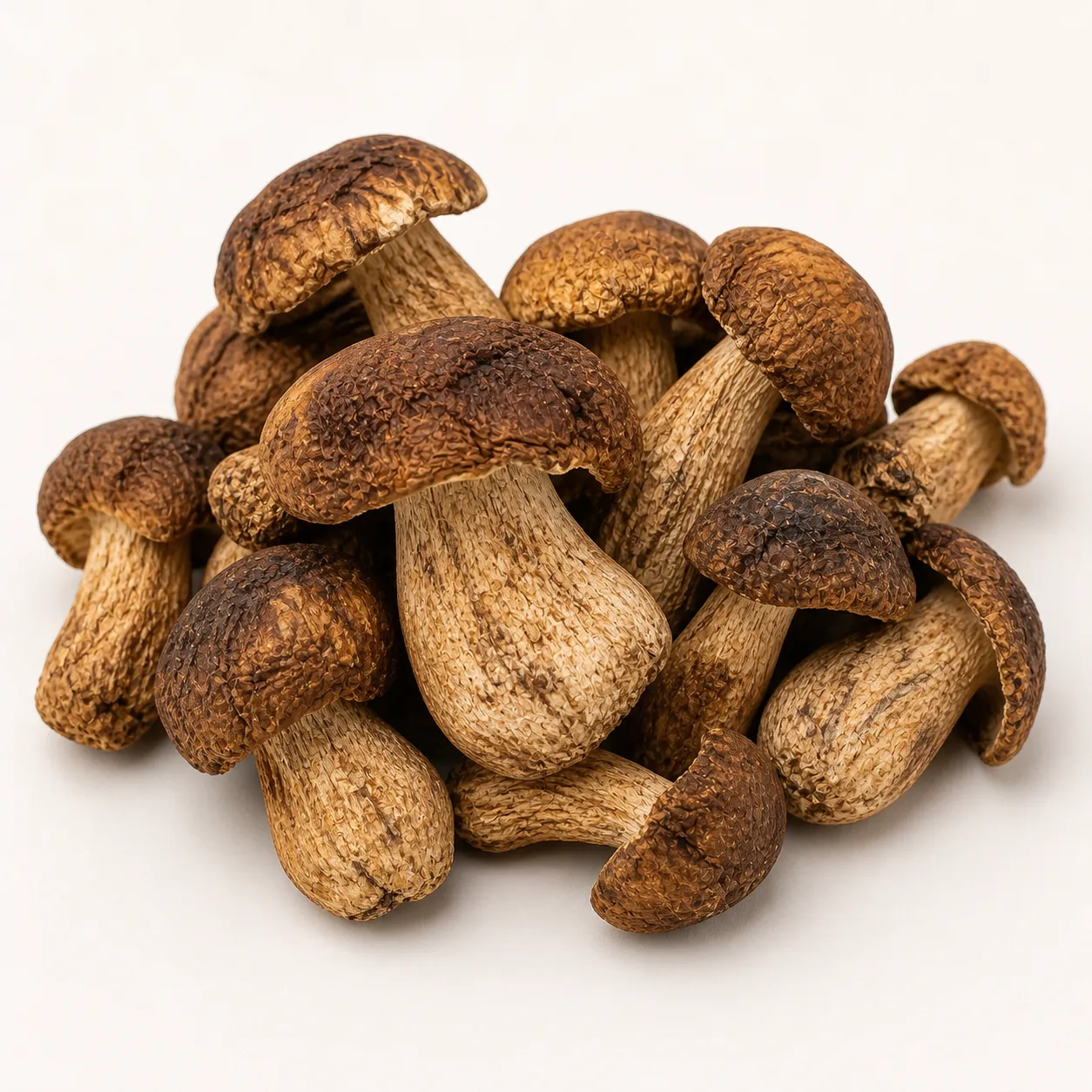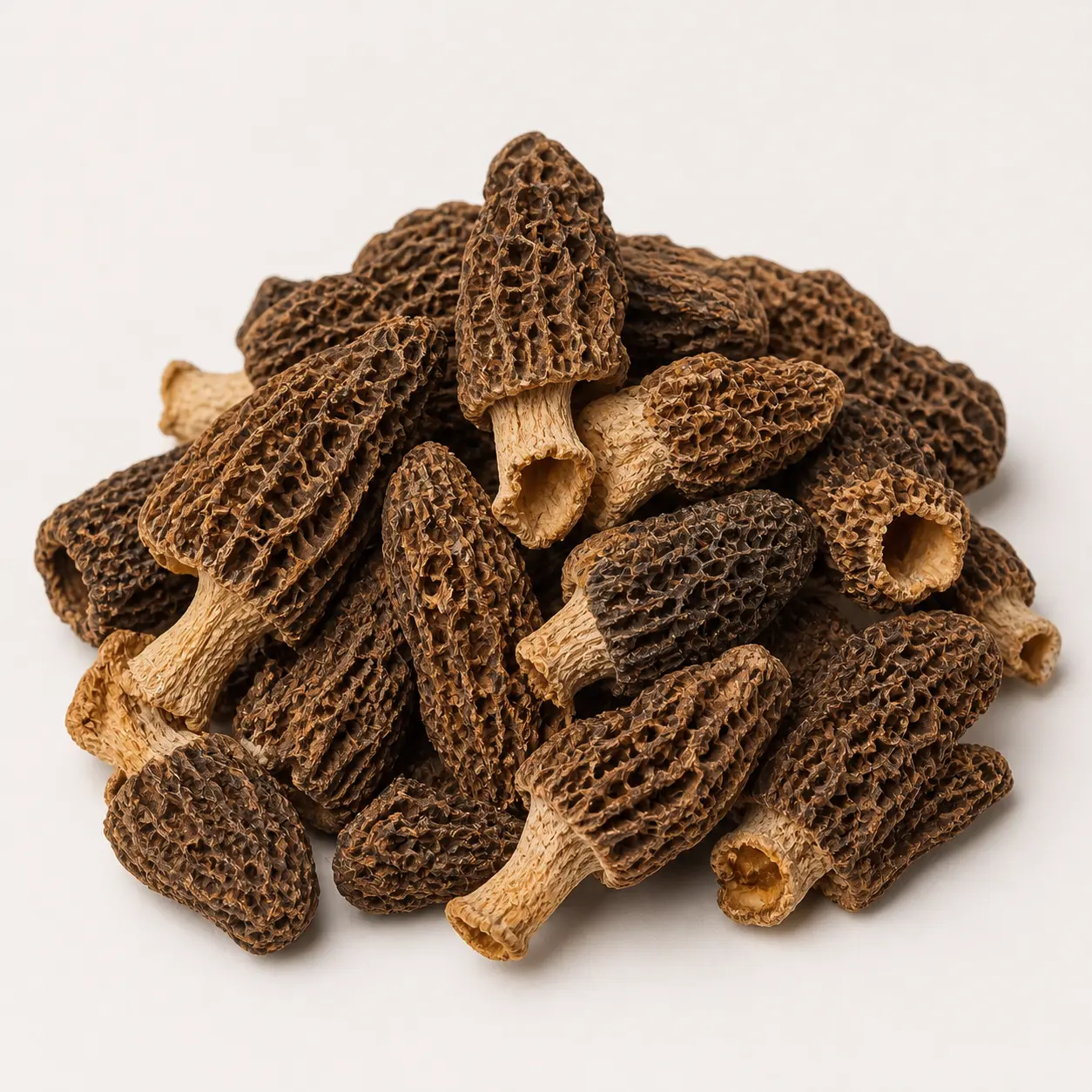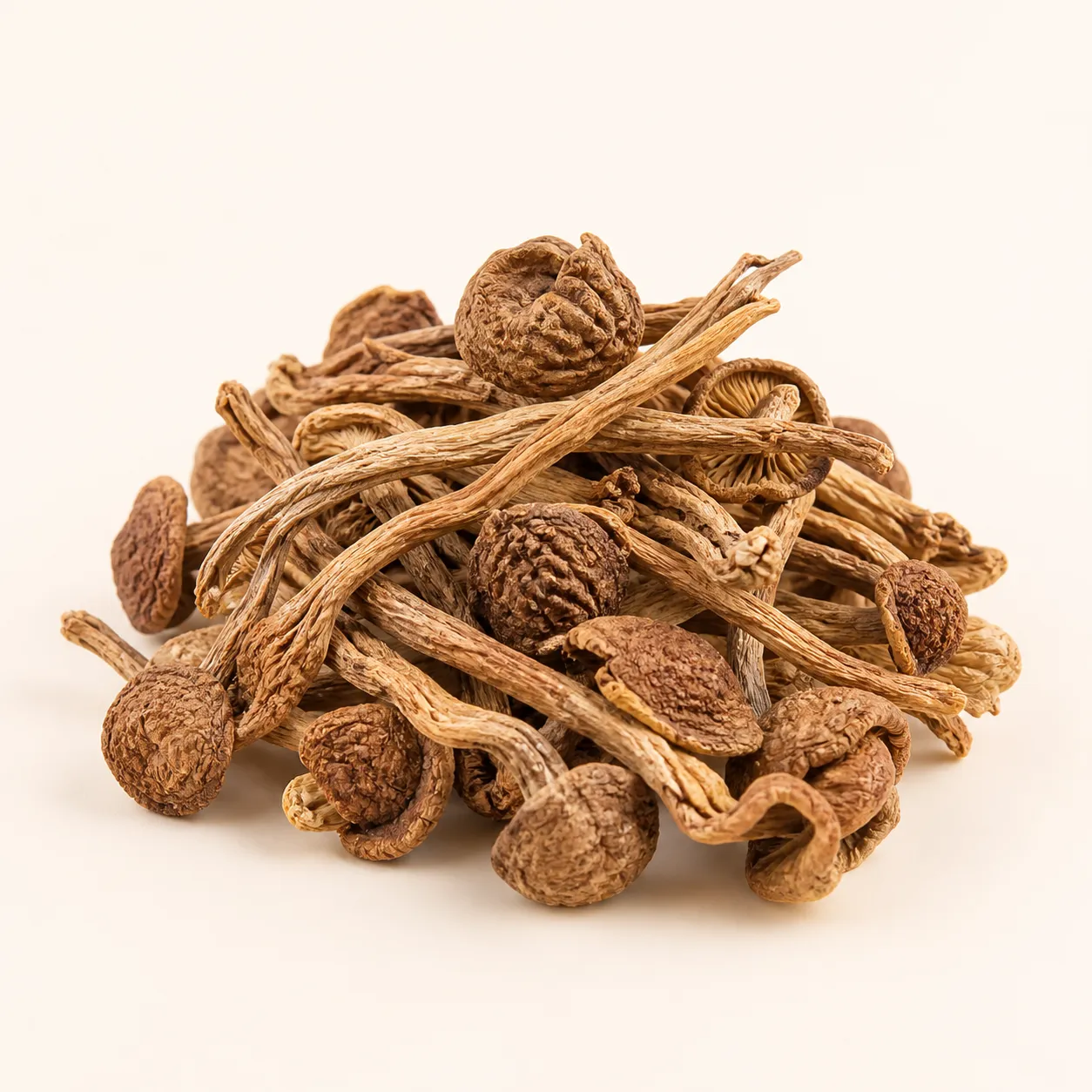
Truffle Slices
How to Use Dried Truffle Slices in Pasta, Risotto, and Eggs
Three classic truffle applications — pasta, risotto, and eggs. Restaurant techniques and home preparations that maximize truffle aroma and minimize waste.
By Editorial Team
Food sourcing and kitchen operations specialists covering ingredient procurement, storage science, and commercial kitchen efficiency across Canada.
Pasta, risotto, and eggs are the three classical truffle applications that have defined the ingredient's culinary positioning for centuries. Done well, each delivers truffle's distinctive aromatic identity at workable food cost using truffle slices rather than ultra-premium fresh truffles. Done poorly, each underdelivers on the truffle promise that drives premium menu pricing. Dried truffle slices integrate into pasta, risotto, and egg preparations through three application modes — rehydrated and incorporated into cooking liquid for risotto and pasta sauce, sautéed in butter for finishing applications, and gently warmed in fat for egg integration — with technique focused on preserving the volatile aromatic compounds that define truffle flavor.
Build Truffle Pasta with the Right Technique
Truffle pasta is the most-recognized pasta dish in fine-dining cuisine. Cream-based and butter-based preparations both work; tomato-based preparations don't (tomato dominates truffle's delicate aroma).
The standard truffle pasta technique:
- Rehydrate dried truffle slices in warm water (or milk/cream) for 15–20 minutes
- Reserve the soaking liquid — it carries significant truffle flavor
- Sauté shallot in butter until soft, no color
- Add rehydrated truffle slices, sauté 1–2 minutes only (don't overcook)
- Add cream and reduced soaking liquid, reduce to coating consistency
- Toss with cooked pasta, finish with Parmigiano and additional fresh truffle shavings
- Serve immediately while truffle aroma is at peak
Pasta shape selection matters. Wide flat pastas (tagliatelle, pappardelle, fettuccine) showcase truffle slices visibly on the plate and capture the cream sauce. Stuffed pastas (truffle ravioli, agnolotti with truffle filling) frame truffle as a hidden flavor centerpiece.
According to a 2024 Canadian fine-dining menu analysis, "truffle pasta" appears on autumn-winter menus at over 200 Canadian restaurants, with average menu pricing of CAD $34–$58 depending on truffle species and preparation premium.
Build Truffle Risotto for Showcase Service
Truffle risotto is among the most-iconic Italian truffle preparations. The slow, gradual liquid absorption of risotto preparation works perfectly with truffle's flavor-release profile, and the dish format showcases the ingredient.
Standard truffle risotto for 4:
- 15g dried black truffle slices, rehydrated in warm water
- 320g Carnaroli rice
- 1 medium shallot, finely diced
- 120ml dry white wine
- 5 cups warm broth (chicken or vegetable; can include reserved truffle soaking liquid)
- 80g grated Parmigiano Reggiano
- 40g unsalted butter
- Additional fresh truffle for shaved finish (optional but ideal)
- Olive oil, salt
Technique highlights:
- Sauté half the truffle slices with shallot in butter
- Reserve other half for the finishing garnish
- Toast rice 1–2 minutes before deglazing with wine
- Add liquid one ladle at a time, stirring continuously
- Don't overstir at the end — rice should still have movement
- Mantecatura step is non-negotiable — butter and Parmigiano off-heat at the end
- Garnish with reserved truffle slices and shave fresh truffle on top if available
This dish carries average Canadian menu pricing of CAD $36–$68 depending on truffle species and tableside service. White truffle shaved tableside drives the highest pricing — sometimes CAD $80+ per cover for premium fine-dining service.
Master Truffle Egg Preparations
Egg dishes are among the most-classical truffle applications and pair with truffle's flavor profile particularly well. The mild creaminess of eggs creates an ideal canvas for truffle's distinctive aroma.
Three core truffle egg applications:
- Truffle scrambled eggs — slowly cooked over low heat with truffle slices
- Truffle omelet — French-style with truffle interior fill
- Truffle-poached eggs on toast — modern brunch staple
The truffle scrambled egg technique:
- Crack 6 eggs into a bowl, whisk gently
- Add 8–12g rehydrated truffle slices plus reserved soaking liquid
- Add a splash of cream (optional)
- Salt to taste
- Cook over very low heat in butter, stirring constantly
- Cook to barely-set consistency (French-style)
- Off-heat, add fresh shaved truffle if available
- Serve immediately on toast or alongside
Truffle scrambled eggs is one of the highest-leverage applications — small amount of dried truffle (CAD $0.80–$2.50 per portion) transforms a basic preparation into a CAD $24–$32 menu item at Canadian restaurants. The food cost economics justify featuring truffle eggs across breakfast, brunch, and dinner menus.
Use the Truffle Soaking Liquid Strategically
Dried truffle slice rehydration produces a flavor-rich soaking liquid that deserves use rather than disposal. The strained liquid carries 30–50% of the truffle's volatile aromatic compounds.
Truffle soaking liquid applications:
- Risotto cooking liquid — replace some standard stock with truffle broth
- Pasta cooking water enhancement — add to pasta water for subtle infusion
- Sauce reduction base — concentrate to syrup consistency for plating
- Egg-dish enrichment — add to scrambled egg mixture before cooking
- Compound butter base — incorporate into truffle butter formulation
Strain through a fine-mesh strainer to remove any debris, then refrigerate up to 5 days or freeze in ice cube trays for portioned future use. The truffle broth is essentially "free flavor" — a byproduct of preparation that delivers high impact in finished dishes at no extra ingredient cost.
Calculate Restaurant Portion Sizes and Food Cost
Truffle portion sizes in pasta, risotto, and egg applications follow predictable patterns that support food cost discipline.
Standard restaurant portion guidelines:
- Truffle pasta — 4–8g dried truffle slices per portion
- Truffle risotto — 3–6g dried truffle slices per portion (plus optional fresh shaving)
- Truffle scrambled eggs — 2–5g dried truffle slices per portion
- Truffle omelet — 3–5g dried truffle slices per portion
- Truffle-stuffed pasta filling — 2–4g dried truffle per stuffed piece
At 2025 wholesale pricing of CAD $400–$800/kg for dried summer truffle slices, per-portion truffle ingredient cost runs CAD $0.80–$3.20 — modest against menu pricing of CAD $24–$45 for truffle-featured items. Black winter truffle slices at CAD $1,500–$3,500/kg drive higher per-portion cost (CAD $3.00–$10.50) but support correspondingly higher menu pricing.
Frequently Asked Questions
Should I use fresh truffle or truffle slices for pasta?
Both work well, with different commercial economics. Fresh truffle delivers the most-intense aromatic experience but costs CAD $1,200–$5,000+/kg with a few-day shelf life. Truffle slices deliver workable truffle flavor at meaningfully lower cost (CAD $400–$3,500/kg dried) with shelf-stable storage. Most Canadian restaurants use truffle slices for daily menu integration and reserve fresh truffle for tableside-shaved presentations during peak season.
Can I freeze truffle slices to extend shelf life?
Dried truffle slices are already shelf-stable at room temperature for 12–18 months and don't require freezing. Oil-preserved truffle slices keep refrigerated for 6–12 months and can be frozen if needed but lose some aromatic intensity. Fresh truffle freezes acceptably for 2–4 months in specific preparations (sauce work, butter incorporation) but loses the aromatic complexity that defines fresh truffle.
What wines pair with truffle pasta or risotto?
Black truffle dishes pair classically with white Burgundy (Chardonnay), barbera, dolcetto, and lighter Italian reds. White truffle dishes pair with white Burgundy, Italian whites, or aged Italian reds. Avoid heavy Cabernet or other high-tannin reds with truffle dishes — the wine overwhelms the delicate aromatic compounds that define truffle. Some sommeliers also recommend specific Champagne pairings with truffle preparations.
Build Pasta, Risotto, and Egg Truffle Programs
Truffle pasta, truffle risotto, and truffle egg preparations together cover the most-used commercial truffle applications across Canadian fine-dining and fine-casual restaurants. Mastering technique across all three — rehydration with broth preservation, gentle sautéing, low-heat egg cooking, and strategic soaking liquid use — unlocks truffle's full menu potential at workable food cost.
Browse Fungi Origin's truffle slice selection — dried and oil-preserved black and summer truffle in multiple formats sized for restaurant pasta, risotto, and egg programs.
Shop this product
Buy truffle slices wholesale
Stocked in Ontario. Free GTA delivery over $350 CAD; courier shipping across Canada and to the US.
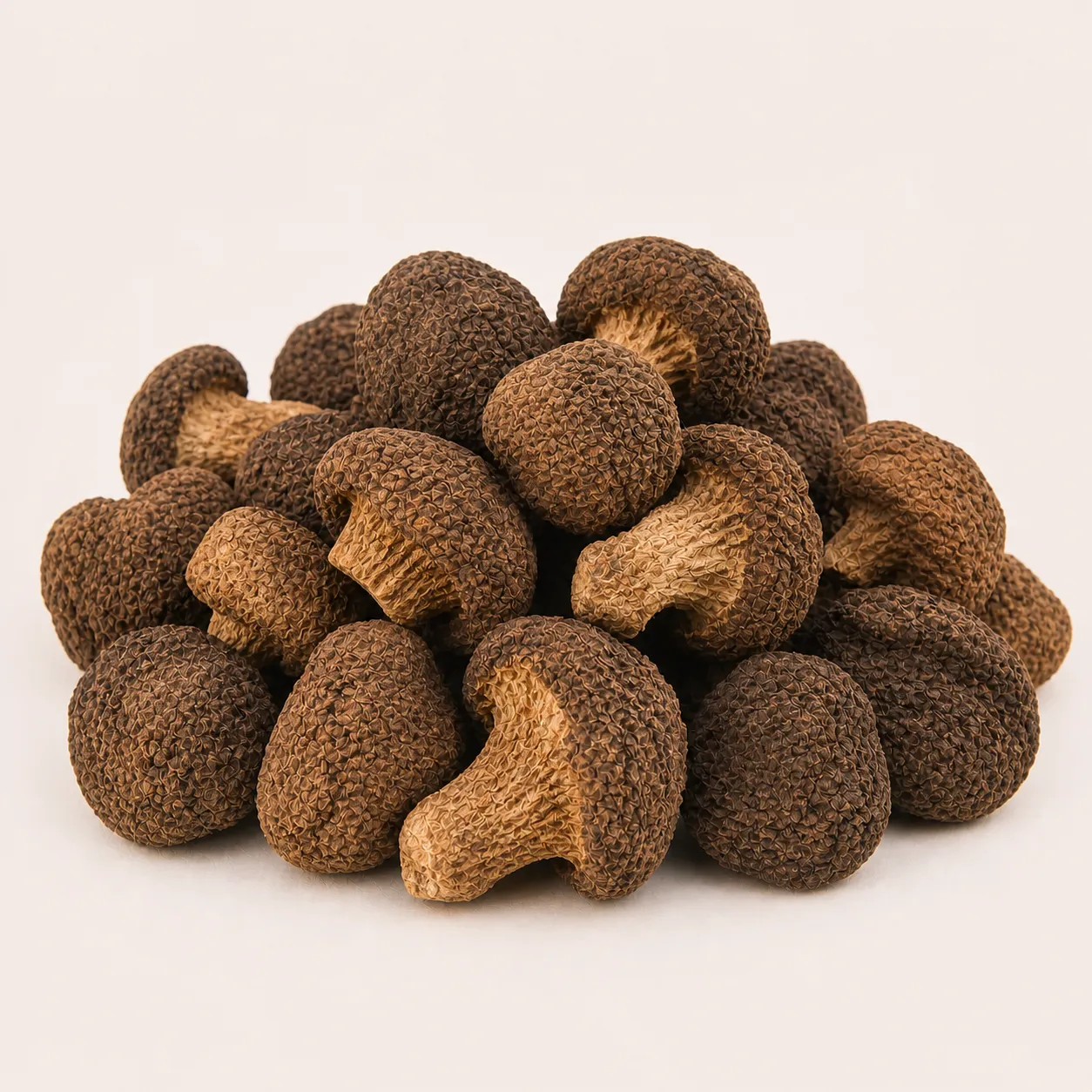
Wholesale
Dried Specialty Goods
Truffle Slices
Premium dried truffle slices for specialty food buyers and wholesale supply.
Wholesale price
$111.04/lb
$244.80/kg
Market reference
Approx. $400+/kg
Need wholesale support?
Contact Fungi Origin for pricing, product inspection, pickup, GTA delivery, or courier shipping across Canada and the US for bulk dried mushroom orders.
Contact Us