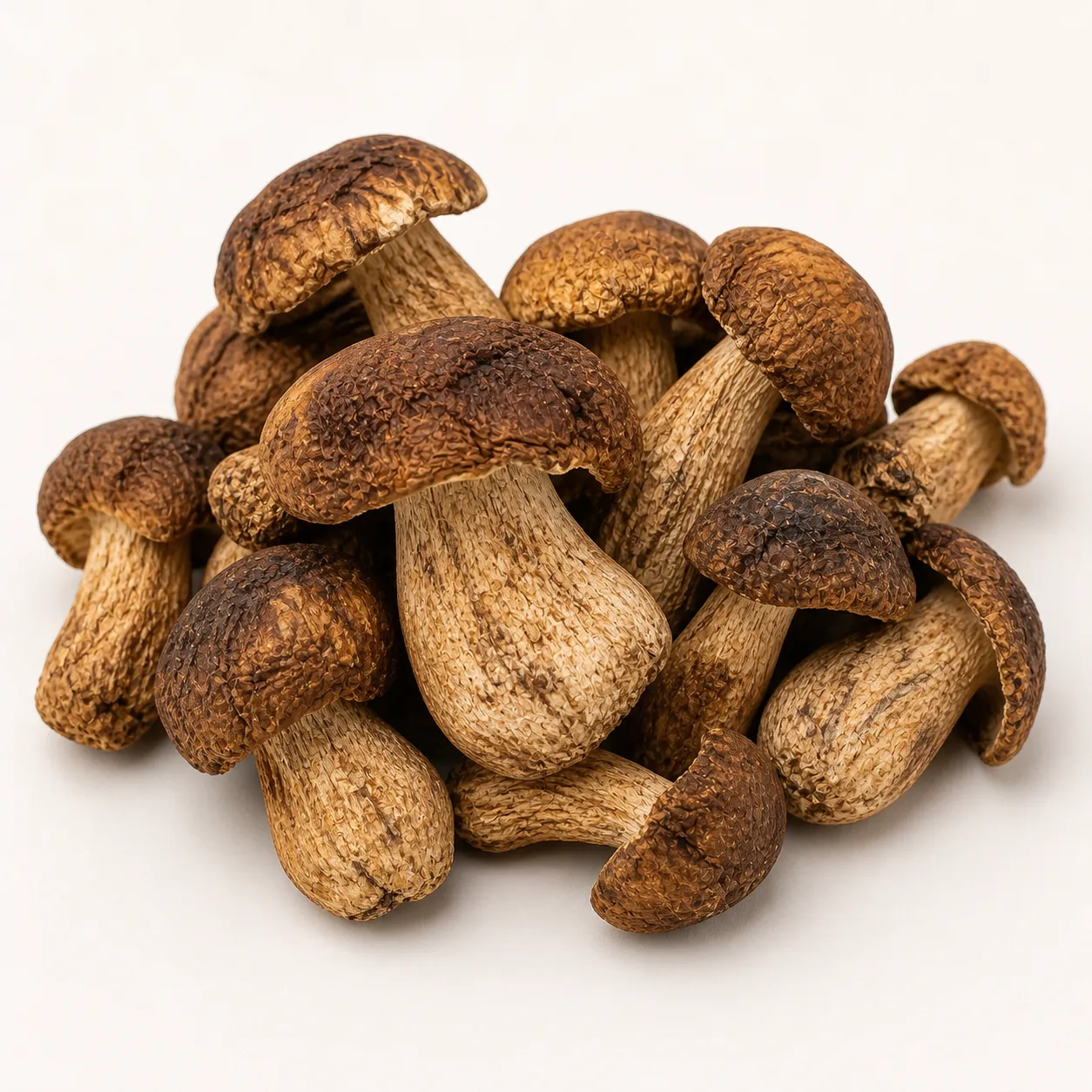
Oyster Mushroom
Wholesale Dried Oyster Mushrooms for Plant-Based Restaurants
Plant-based restaurant wholesale program for dried oyster mushrooms — variety selection, monthly delivery, sustainability stories, and contract pricing.
By Editorial Team
Food sourcing and kitchen operations specialists covering ingredient procurement, storage science, and commercial kitchen efficiency across Canada.
Plant-based restaurants represent the fastest-growing buyer segment for dried oyster mushrooms in Canada. The category is uniquely positioned for plant-based menu development — affordable enough to support sharp food costs, structurally varied enough to deliver different culinary applications across pearl and king varieties, and sustainable enough to support the values most plant-based concepts emphasize. The right wholesale relationship for a plant-based restaurant looks meaningfully different from a typical Asian-cuisine or Italian restaurant supplier. Wholesale dried oyster mushrooms for plant-based restaurants are committed-volume B2B-tier purchases of pearl, king, and specialty Pleurotus varieties scaled to plant-based menu volume, sourced with sustainability-friendly cultivation documentation, monthly delivery scheduling matched to plant-based growth trajectories, and pricing structures that protect food cost margins on signature vegan menu items.
Choose the Right Variety Mix for Plant-Based Programs
Plant-based restaurants need variety mix that matches their specific menu development direction. Different plant-based concepts emphasize different oyster mushroom applications.
Variety mix for plant-based concept types:
- Plant-based fine dining — heavy king oyster (vegan scallops, steaks); moderate pearl; specialty varieties for tasting menus
- Plant-based casual — heavy pearl oyster (vegan bacon, pulled fillings); moderate king oyster
- Vegan brunch concepts — heavy pearl oyster (oyster bacon, breakfast applications)
- Plant-based ramen and Asian fusion — pearl oyster integrated with shiitake and other Asian mushrooms
- Plant-based BBQ-themed — heavy pearl oyster (pulled-style applications)
Most Canadian plant-based restaurants benefit from a 60% pearl oyster / 30% king oyster / 10% specialty variety mix as a starting baseline, then adjust based on specific menu development.
Plan Monthly Volume and Delivery Scheduling
Plant-based restaurants experiencing menu growth typically scale oyster mushroom volume rapidly. Monthly delivery scheduling protects against supply gaps and supports menu growth without inventory headaches.
Sample monthly volume by plant-based restaurant type:
- Plant-based fine dining (50–80 covers/day) — 8–14kg monthly
- Plant-based fast-casual (150–250 covers/day) — 18–35kg monthly
- Vegan brunch (60–100 covers, weekend-heavy) — 6–14kg monthly
- Plant-based ramen shop (80–120 bowls/day) — 4–10kg monthly
- Plant-based catering operation — varies; episodic large orders
Monthly delivery agreements protect both inventory consistency and pricing stability. Plant-based restaurants on monthly delivery typically save 8–14% versus spot-market peers and have priority access during peak demand periods (Q1 wellness season, Q4 holiday programming).
Fungi Origin offers plant-based restaurant monthly delivery agreements starting at 5kg per month, scaled to actual menu usage and growth trajectory.
Build Sustainability Stories for Plant-Based Marketing
Plant-based restaurants benefit from suppliers who can support menu and marketing storytelling around sustainability. Oyster mushroom cultivation has genuinely strong sustainability characteristics that align with plant-based concept values.
Sustainability talking points for plant-based menu marketing:
- Cultivated on agricultural waste — straw, sawdust, post-harvest substrates
- Rapid growth cycles — 4–8 weeks from inoculation to harvest
- Low water and energy requirements versus protein-substitute alternatives
- Carbon footprint advantage versus animal proteins
- No pesticide reliance typical of many cultivated foods
- Supports food-system circularity through agricultural-waste utilization
- Compostable post-substrate — even spent substrate has agricultural use
Suppliers serving plant-based restaurants should support these talking points with supplier-side documentation. Fungi Origin maintains sustainability documentation for cultivated oyster mushroom that plant-based restaurant accounts can use in menu marketing, social media, and ESG reporting.
According to a 2024 plant-based menu marketing analysis, restaurants featuring detailed sustainability storytelling on menu items reported 22% higher guest engagement on social media versus restaurants without sustainability messaging.
Negotiate Plant-Based Restaurant Contract Terms
Plant-based restaurant contracts can include terms that support both the restaurant's growth and the supplier-account relationship. Smart operators negotiate the full relationship rather than focusing only on per-kg pricing.
Plant-based-specific contract terms:
- Variety flexibility within annual commitment — pivot between pearl/king/specialty as menu evolves
- Multi-cluster contracts — combine oyster with Lion's Mane, shiitake, porcini
- Sample shipment program — for new menu item testing
- Sustainability documentation — formal supplier sustainability statements
- Crisis-supply commitments — protection during industry-wide supply tightening
- Marketing collaboration — joint social media and content programs
- Fast-growth pricing protection — locked rates as volume scales
Multi-cluster contracts particularly benefit plant-based restaurants. A single annual agreement covering oyster mushroom, Lion's Mane, shiitake, porcini, and chanterelle typically unlocks 8–15% multi-cluster pricing improvements versus single-cluster sourcing — meaningful margin on plant-based menus where ingredient cost discipline matters.
Develop Menu Items That Scale Profitably
The plant-based restaurant economics work when oyster mushroom menu items scale profitably. Smart menu development considers both food cost and operational scaling.
Profitable plant-based oyster mushroom menu archetypes:
- Vegan scallop appetizer — king oyster medallions; CAD $24–$32 menu pricing
- Vegan BLT or club sandwich — pearl oyster bacon; CAD $18–$24 menu pricing
- Vegan pulled-style sandwich — braised pearl oyster; CAD $19–$26 menu pricing
- Plant-based grain bowl with oyster mushroom — sautéed pearl oyster; CAD $20–$28 menu pricing
- Vegan steak (king oyster) — center-of-plate; CAD $32–$48 menu pricing
- Tasting menu course — featured oyster mushroom; CAD $18–$32 per course
These menu archetypes deliver 15–28% food cost percentages — well below restaurant-industry benchmarks. The combination of plant-based menu pricing power and oyster mushroom's affordable wholesale economics produces gross margin advantages that many plant-based concepts depend on for sustainability.
Frequently Asked Questions
How much oyster mushroom does a typical plant-based Canadian restaurant use monthly?
A full-service Canadian plant-based restaurant typically uses 8–25kg of dried oyster mushroom monthly across pearl, king, and specialty varieties. Plant-based fast-casual concepts on the higher end of the range; plant-based fine dining on the lower end with smaller per-cover volumes but typically higher king oyster proportion. Monthly delivery agreements typically lock in 60–80% of forecast monthly volume.
Can plant-based restaurants source oyster mushroom and other plant-based mushroom varieties from one supplier?
Yes, most Canadian direct-import suppliers serving plant-based restaurants offer multi-cluster contracts covering oyster mushroom, Lion's Mane, shiitake, porcini, chanterelle, and other species. Multi-cluster contracts typically unlock 8–15% pricing improvements versus single-cluster sourcing. Fungi Origin offers plant-based restaurant multi-cluster programs structured around the typical 5-mushroom plant-based menu architecture.
What lead times should plant-based restaurants expect for wholesale oyster mushroom orders?
Standard plant-based restaurant orders ship within 1–7 business days from Canadian-warehouse inventory. Specialty variety requests (pink, golden, blue oyster) may run 2–6 weeks for first orders, then settle into 2–3 week reorder cycles. Monthly delivery agreement accounts have priority shipping access and inventory reservation, reducing lead times further.
Build a Plant-Based Restaurant Wholesale Program
The right plant-based restaurant supplier relationship combines variety mix matching menu direction, monthly delivery scheduling, sustainability storytelling support, multi-cluster contract structure, and pricing that supports profitable plant-based menu economics. This isn't a higher-volume Italian restaurant supplier — it's a structurally different relationship designed around plant-based menu development and growth trajectories.
Contact the Fungi Origin plant-based restaurant team for plant-based wholesale pricing, multi-cluster Asian and plant-based mushroom contracts, sustainability documentation, and menu development consultation tailored to your specific plant-based concept.
Shop this product
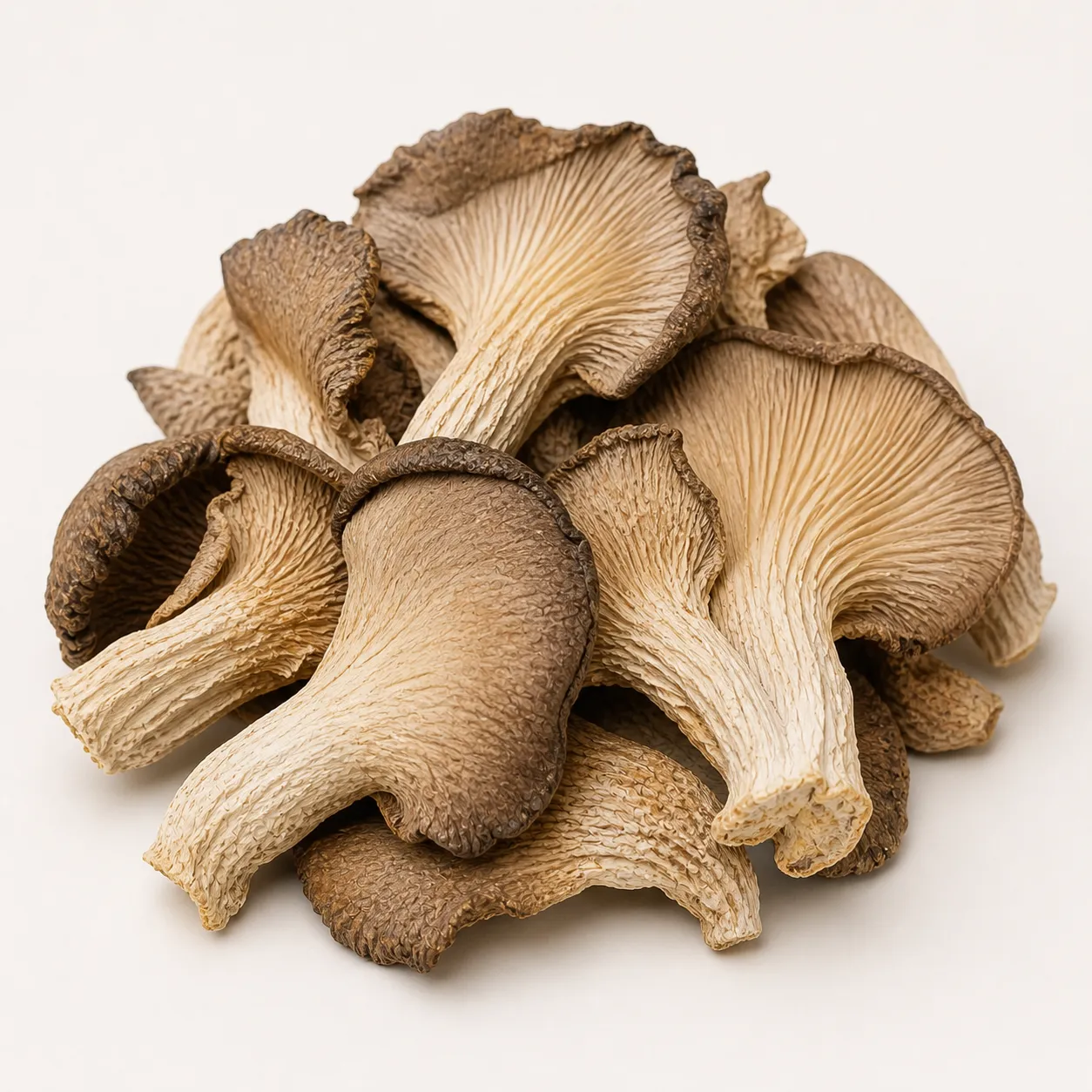
Buy oyster mushroom wholesale
Stocked in Ontario. Free GTA delivery over $350 CAD; courier shipping across Canada and to the US.
Wholesale
Dried Mushrooms
Oyster Mushroom
Dried oyster mushrooms suitable for bulk supply, restaurants, and distributors.
Wholesale price
$15.62/lb
$34.43/kg
Market reference
Approx. $35–60/kg
Need wholesale support?
Contact Fungi Origin for pricing, product inspection, pickup, GTA delivery, or courier shipping across Canada and the US for bulk dried mushroom orders.
Contact Us