Black Fungus / Wood Ear
Wholesale Wood Ear Mushrooms for Canadian Foodservice
High-volume foodservice wood ear sourcing — case-pack specs, food-safety documentation, distributor pricing, and supply commitments for Canadian operations.
By Editorial Team
Food sourcing and kitchen operations specialists covering ingredient procurement, storage science, and commercial kitchen efficiency across Canada.
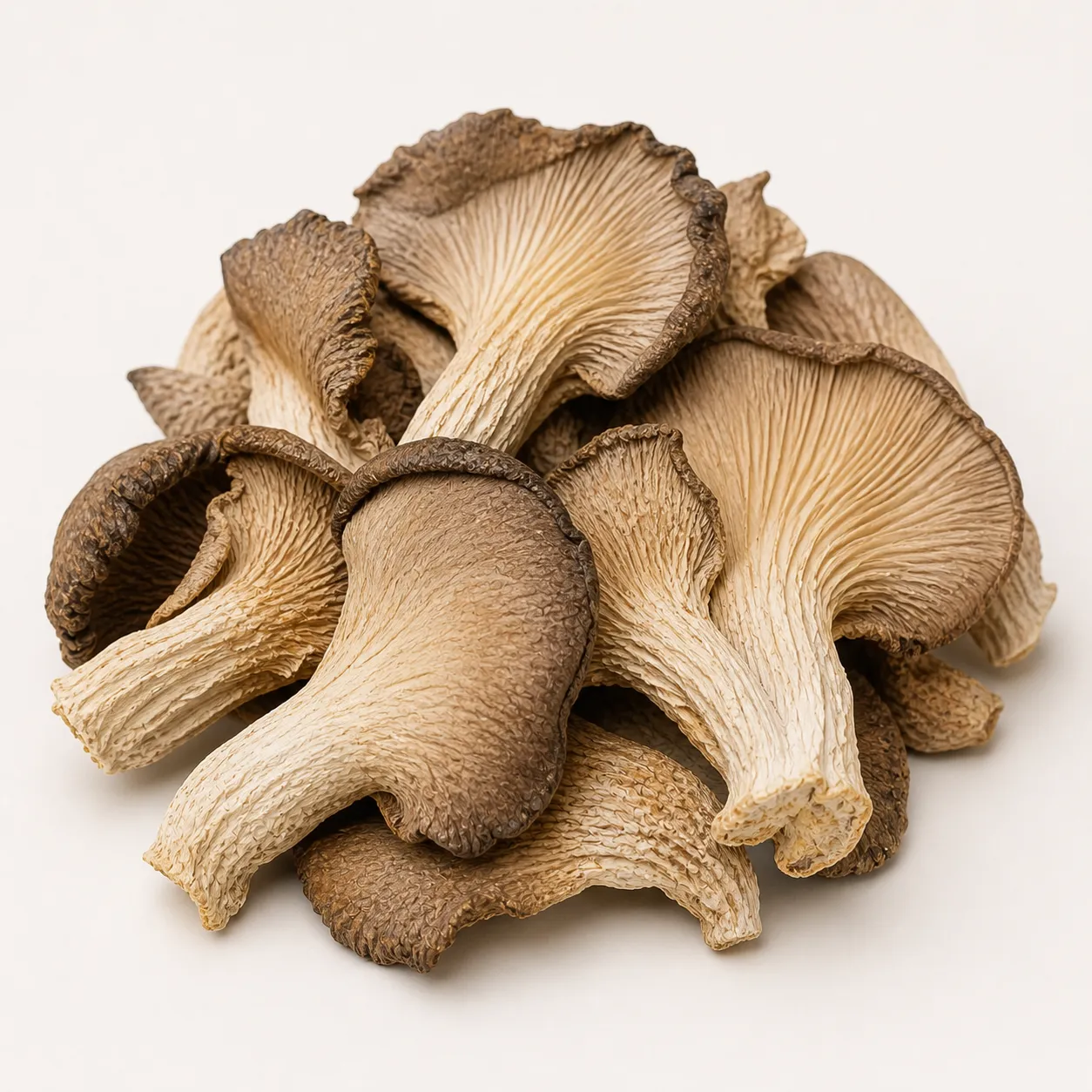
Foodservice distributors and high-volume restaurant operations have specific wood ear sourcing needs that differ from typical Asian-grocery retail or smaller-restaurant purchasing. The right supplier looks different from a typical Asian-ingredient distributor — case-pack consistency, food-safety documentation depth, distributor-level pricing protection, and supply continuity across the year all matter more at this scale. Wholesale wood ear mushrooms for Canadian foodservice are bulk B2B-tier purchases of dried Auricularia species sold in 25kg+ bulk quantities or multi-case-pack configurations, with documented food-safety certifications, distributor-level pricing protection, and supply commitments structured for Asian restaurant chains, hot pot concepts, and institutional foodservice operations.
Specify Foodservice-Grade Documentation
Foodservice operations carry regulatory and reputational obligations that retail purchasing doesn't fully demand. The supplier must support these obligations with documentation that flows through to downstream operating partners.
Required food-safety documentation:
- Canadian Food Inspection Agency (CFIA) compliance — for legal import status
- Country-of-origin certificates for each lot
- Pesticide and heavy-metal residue testing — increasingly required by chain restaurants and institutional foodservice
- Microbiological testing — total plate count, yeast/mold, E. coli, Salmonella
- HACCP-supportive documentation
- Lot-level traceability for product recall capability
- Cultivation method certification when relevant
- Allergen statements — even when wood ear contains no listed allergens
Foodservice operations lacking access to this documentation expose themselves to liability and lose contracting opportunities with hotel chains, institutional buyers, and large restaurant groups that require full paperwork. Fungi Origin maintains documentation depth that supports foodservice-grade resale and direct-to-large-account use.
Lock In Case-Pack and Bulk Specifications
Foodservice purchasing depends on consistent case-pack and bulk specifications. Restaurants tolerate occasional pack-size variation; high-volume foodservice operations cannot. Their warehouse handling, prep workflows, and customer fulfillment processes assume specific case configurations.
Standard foodservice case-pack and bulk options:
- 5kg single bulk bag — high-volume restaurant fulfillment, central commissary
- 10kg single bulk bag — multi-location chain commissaries
- 25kg+ bulk bag — distributor-level case-breaking and large-volume foodservice
- 6x500g case pack — 3kg total per case; common multi-location distribution
- 10x250g case pack — 2.5kg total; flexible distribution to smaller locations
Case-pack consistency includes more than just total weight. Inner-bag weight tolerance, labeling consistency, batch-code visibility, and outer-case dimensional consistency all affect foodservice warehouse efficiency. According to a 2024 Canadian foodservice operations data, case-pack inconsistency contributes meaningfully to inventory accuracy errors and customer-fulfillment delays.
Compare Foodservice-Tier Pricing Structures
Distributor and high-volume foodservice pricing for dried wood ear works on different commercial terms than restaurant-tier pricing. Predictable pricing, contract length, payment terms, and rebate structures all matter to operational profitability.
Standard distributor and foodservice commercial terms:
- Annual contract pricing — locked rates for the contract duration
- Volume rebates — quarterly or annual payback on tier-crossings
- Net 30 or Net 45 payment terms for established accounts
- Price protection clauses for short-term market spikes
- Right of first refusal on harvest-year inventory
- Product return rights for damaged, defective, or expired inventory
- Multi-cluster contracts — combine wood ear with shiitake, lion's mane, oyster
Foodservice pricing typically lands 10–18% better than the equivalent restaurant-tier wholesale pricing because of volume commitment and the operation's role in absorbing distribution-layer responsibilities. Annual contracts usually start at 100kg committed volume and scale rapidly from there. Multi-cluster contracts (wood ear + other Asian mushrooms) typically unlock additional 6–12% pricing improvements.
Plan Around Hot Pot Restaurant Chain Demand
Hot pot restaurant chains drive a substantial share of Canadian high-volume wood ear demand. Major chains operating multiple Canadian locations face specific sourcing dynamics that shape supplier requirements.
Hot pot chain wood ear sourcing characteristics:
- High monthly volume — 100–500kg+ across multi-location chains
- Consistent grade specifications across all locations
- Coordinated central-purchasing through head office
- Documentation requirements that support chain food-safety standards
- Lunar New Year scaling — coordinated demand spike across all locations
- Menu-stability supply commitments — protection against spot-market unavailability
Hot pot chains benefit particularly from annual or multi-year supply contracts with direct importers. The operational benefit of supply-chain reliability often exceeds the per-kg pricing benefit. Fungi Origin offers hot pot restaurant chain accounts dedicated account management with Lunar New Year priority allocation and multi-location coordinated delivery.
Coordinate Institutional Foodservice and Catering
Institutional foodservice (corporate dining, hospitals, universities, government cafeterias) and large-scale catering operations represent a smaller but valuable segment of high-volume wood ear demand. The sourcing dynamics differ from chain restaurants.
Institutional and catering characteristics:
- Variable volume — depends on cuisine programming and event scheduling
- Strict food-safety documentation — often the highest in the foodservice landscape
- Allergen awareness programs — formal documentation flows
- Bid-and-tender procurement processes — annual or bi-annual procurement cycles
- Multi-cluster sourcing typically — combined Asian mushroom procurement
- Sustainability and ESG documentation increasingly required
Institutional foodservice procurement typically operates on longer planning horizons (6–24 months) than restaurant procurement. Suppliers serving this segment must support extended documentation packages, formal RFP processes, and multi-cluster procurement that bundles wood ear with other Asian-cuisine ingredient categories.
Frequently Asked Questions
What's the minimum order quantity for foodservice-tier wood ear in Canada?
Most Canadian direct-import suppliers offer foodservice-tier pricing starting at 25kg per order or 100kg annual committed volume. Below those thresholds, pricing reverts to restaurant-tier wholesale rates. Established foodservice accounts often negotiate 200–1000kg annual commitments with corresponding pricing improvements and inventory-priority access during Lunar New Year tight-supply windows.
Can foodservice operations source wood ear and other Asian mushrooms from one supplier?
Yes, single-source supplier relationships across multiple Asian-cuisine mushroom categories typically unlock 8–15% multi-cluster pricing improvements versus single-cluster contracting. Fungi Origin offers foodservice multi-cluster contracts covering wood ear, shiitake, lion's mane, oyster, snow fungus, cordyceps flower, and other species under a single annual agreement.
How long does it take to set up a new foodservice account?
A new Canadian foodservice account with a direct-import wood ear supplier typically takes 7–15 business days to set up. The process includes: business verification, food-safety documentation review, credit-terms approval, contract execution, and initial-order confirmation. Existing established foodservice operations often complete the process in 5–7 days; new entrants or institutional accounts with detailed RFP processes may take 30+ days.
Build a Foodservice-Grade Wood Ear Program
The right foodservice-supplier relationship for dried wood ear in Canada combines direct-import pricing, case-pack consistency, food-safety documentation, contractual price protection, multi-cluster Asian-mushroom sourcing, and supply commitments structured for high-volume operations. This isn't a higher-volume restaurant supplier — it's a structurally different commercial relationship designed for foodservice resale economics and chain-restaurant operational realities.
Contact the Fungi Origin foodservice and distributor desk for foodservice-tier pricing, multi-cluster contracts, hot pot restaurant chain account management, and institutional foodservice procurement support.
Shop this product
Buy black fungus wholesale
Stocked in Ontario. Free GTA delivery over $350 CAD; courier shipping across Canada and to the US.
Wholesale
Dried Fungus
Black Fungus
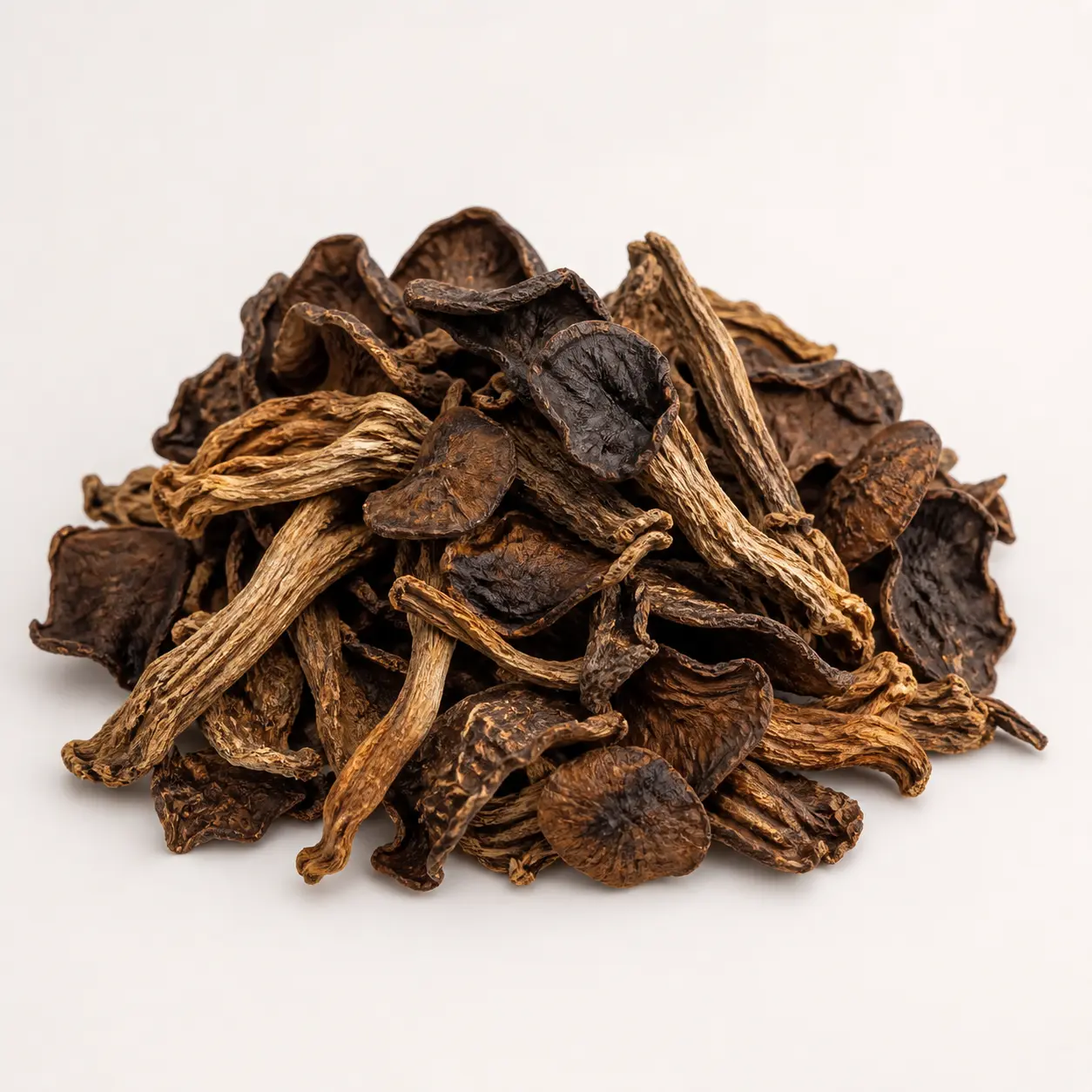
Clean and well-selected dried black fungus suitable for food service and retail resale.
Wholesale price
$15.62/lb
$34.43/kg
Market reference
Approx. $59–80/kg
Need wholesale support?
Contact Fungi Origin for pricing, product inspection, pickup, GTA delivery, or courier shipping across Canada and the US for bulk dried mushroom orders.
Contact Us